Conquer the Culinary Challenge
Mastering the Art of Cooking in a Tiny RV Kitchen
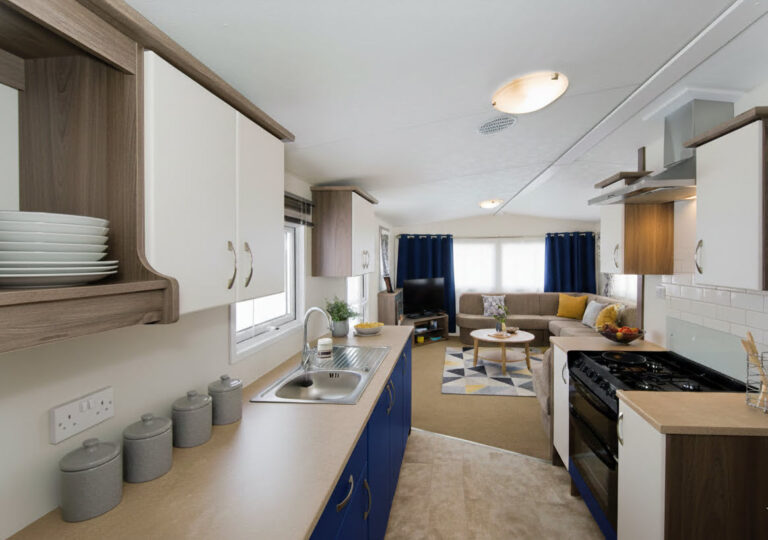
RV living offers unparalleled freedom and adventure, allowing you to explore breathtaking landscapes and experience life on your own terms. But this idyllic image often collides with the practical reality: the tiny RV kitchen. Limited counter space, cramped storage, and miniature appliances can make preparing meals feel like a daunting task. However, don’t despair! With a little ingenuity, careful planning, and some clever techniques, you can transform your RV kitchen from a source of frustration into a hub of delicious and stress-free culinary creation. In this guide, we’ll provide you with the knowledge and strategies you need to cook like a pro, even in the smallest of RV kitchens.
Understanding the Unique Culinary Challenge of RV Cooking
Before diving into solutions, it’s important to acknowledge the specific hurdles you’ll face when cooking in an RV:
- Limited Counter Space: Perhaps the biggest problem. Chopping veggies, prepping food, and simply having room to work can feel impossible.
- Cramped Storage: Every inch counts! Storing pots, pans, utensils, and food calls for careful planning.
- Smaller Appliances: RV stoves and ovens are usually smaller and weaker than home appliances. Refrigerators are often compact, meaning more frequent grocery trips.
- Water Conservation: Water is valuable when boondocking. Therefore, you’ll need to be mindful of water use during cooking and washing.
- Power Constraints: If you’re using battery power or a generator, then you’ll need to be aware of energy use.
- Motion Sickness (for the Cook): Preparing meals while the RV is moving can be hard for those who get motion sick.
- Ventilation: Good ventilation is vital to prevent moisture, remove cooking smells, and keep the air clean.
Maximizing Space: The Key to RV Kitchen Success
The key to successful RV cooking is making the most of the available space. Here’s how to turn your tiny kitchen into a useful workspace:
- Go Vertical: Think upwards! Add shelves above counters and cabinets to use space that’s not being used. For instance, consider shelves over the sink or hanging organizers for spices and utensils.
- Folding and Collapsible Items: Get folding cutting boards, collapsible bowls, and cookware that stacks. These items save space when you’re not using them.
- Magnetic Strips: A magnetic knife strip keeps knives safe and easy to reach, making more room in drawers. You can also use magnetic strips for spice jars.
- Hanging Organizers: Use the backs of cabinet doors with hanging organizers to store small items like bags, sponges, and cleaners.
- Under-Sink Storage: Make the most of under-sink space with pull-out organizers or shelves. This is a good place for cleaning supplies and dish soap.
- Countertop Organizers: Use countertop organizers for utensils, spices, and items you use often. Make sure to choose organizers that are small and stable.
- Cook Outside: Expand your cooking options by using an outdoor grill or portable stove. This not only saves space inside but also keeps cooking smells out of the RV.
- Declutter: Get rid of things you don’t need. If you haven’t used it on recent trips, you likely don’t need it. Give away or sell items to free up space.
- Multi-Use Items: Choose items that do more than one thing. A Dutch oven can be used for baking, roasting, and cooking on the stove.
Essential RV Kitchen Gadgets and Tools
Choosing the right tools can make cooking in an RV easier and more enjoyable. Therefore, prioritize items that are small, light, and can do multiple things.
- Good Chef’s Knife: A good knife is key for prepping ingredients. Get a strong and sharp knife that will last.
- Cutting Board: A folding or collapsible cutting board is great for saving space. Look for one that doesn’t slip.
- Measuring Cups and Spoons: Get a set of measuring cups and spoons that stack.
- Mixing Bowls: Choose mixing bowls that nest for easy storage. Stainless steel bowls are strong and easy to clean.
- Dutch Oven: A Dutch oven is useful for baking, roasting, and cooking on the stove.
- Skillet: A non-stick skillet is key for frying eggs and pancakes.
- Saucepan: A saucepan is needed for heating sauces, boiling water, and cooking pasta.
- Utensils: Choose strong utensils that can handle heat, including a spatula, spoon, and whisk.
- Can Opener: A good can opener is needed for opening canned goods.
- Vegetable Peeler: A vegetable peeler makes peeling fruits and vegetables quick.
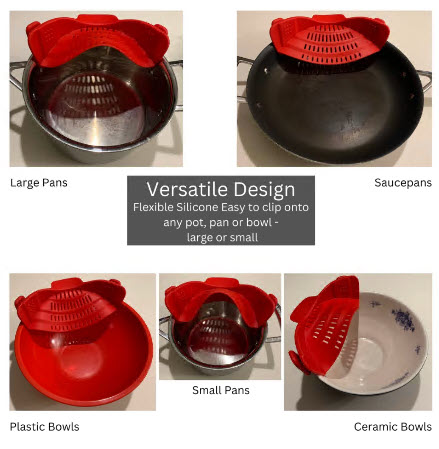
- Colander: A collapsible colander is great for draining pasta and washing veggies.
- Food Storage Containers: Get airtight food containers to keep leftovers fresh. Choose containers that stack well.
- Portable Blender: A portable blender is perfect for smoothies, soups, and sauces.
- Electric Kettle: An electric kettle boils water quickly for tea, coffee, or cooking.
- Slow Cooker: A slow cooker is a lifesaver for RV cooking. Just add your ingredients in the morning and come back to a tasty meal later.
- Instant Pot: The Instant Pot can be used for pressure cooking, slow cooking, sautéing, and more.
Smart Shopping and Meal Planning for RV Cooking
Good meal planning and smart shopping help reduce waste, save space, and make RV cooking easier.
- Plan Meals Ahead: Before you go, plan your meals for the whole trip. This will help you make a shopping list and avoid buying things you don’t need.
- Make a Grocery List: Stick to your list to avoid buying too much and wasting food.
- Choose Non-Perishable Items: Stock up on canned goods, pasta, rice, beans, and dried fruits and vegetables.
- One-Pot Meals: One-pot meals like stews, soups, and chili are easy to make and clean up.
- Prep Ahead: Chop veggies, marinate meat, and make sauces before you leave. This will save time and effort on the road.
- Buy Local Produce: Support local farmers and enjoy fresh fruits and vegetables by visiting markets on your route.
- Shop Often: RV refrigerators are smaller, so shop more often to avoid overcrowding and food going bad.
- Pack Snacks Wisely: Pack healthy snacks like nuts, seeds, dried fruit, and granola bars.
- Freeze Food: Freeze leftovers and pre-cooked meals to make them last longer and simplify cooking on the road.
- Dehydrated Food: Dehydrated meals are light, easy to store, and easy to make.
Water and Power Conservation Strategies
Saving water and power are important for RV cooking.
- Wash Dishes Wisely: Wash dishes after use to prevent food from drying. Use a dishpan to save water.
- Use Biodegradable Soap: Choose soap that’s safe for the environment.
- Limit Water Use: Avoid running the water while washing dishes. Rinse dishes quickly.
- Boil Water on the Stove: Boil water on the stove instead of using an electric kettle to save power.
- Use a Pressure Cooker: Pressure cookers use less energy than other methods.
- Cook Outdoors: Cooking outdoors saves energy and keeps cooking smells out of the RV.
- Use Energy-Efficient Appliances: When replacing appliances, choose models that save energy.
- Consider Solar Power: If you often boondock, think about getting solar panels.
Delicious and Easy RV Recipes
Here are some recipe ideas for RV cooking that are simple, use few ingredients, and are easy to clean up:
- One-Pot Pasta: Cook pasta, veggies, and sauce in one pot.
- Chili: A hearty chili can be made in a slow cooker or Dutch oven.
- Soup: A simple vegetable soup is a healthy meal.
- Stir-Fry: A stir-fry is a quick way to use up veggies and protein.
- Foil Packet Meals: Wrap meat, veggies, and seasonings in foil and cook on the grill or in the oven.
- Grilled Cheese Sandwiches: A classic comfort food.
- Omelets: Omelets are a quick way to use up veggies and cheese.
- Pancakes: Pancakes are a breakfast staple.
- Overnight Oats: Prepare oats the night before for a quick breakfast.
- Campfire Pizza: Cook pizzas on a cast iron skillet over a campfire or grill.
- Slow Cooker Pulled Pork: Great for an easy meal while you’re exploring.
- Instant Pot Rice and Beans: A cheap and filling meal.
Adapting to the RV Lifestyle: The Mindset Shift
RV cooking calls for a change in how you think. You’re in a mobile kitchen. Embrace the challenge, be creative, and enjoy it.
- Keep it Simple: Don’t try to make fancy restaurant meals. Focus on simple dishes that taste good and are easy to make and clean up.
- Be Flexible: Be ready to change your plans based on what ingredients you have and what you can cook with.
- Experiment: Don’t be afraid to try new recipes. RV cooking is a chance to get creative and find new meals you love.
- Enjoy the Process: Cooking in an RV can be fun. Take your time, relax, and enjoy making delicious meals.
Troubleshooting Common RV Cooking Problems
Even with planning, problems can happen. Here are some solutions:
- Limited Oven Space: Use a toaster oven instead of the RV oven.
- Uneven Cooking on the RV Stove: Use a heat diffuser to spread heat evenly.
- Food Spoiling Quickly: Check the temperature of your RV refrigerator.
- Difficulty Washing Dishes: Use a portable sink to wash dishes.
- Insects in the RV Kitchen: Keep your kitchen clean and store food in containers.
Conclusion: Cooking Adventures Await
Cooking in a tiny RV kitchen has challenges, but it’s also a chance to be creative, simplify your life, and enjoy nature. By saving space, choosing the right tools, planning meals, and being resourceful, you can make your RV kitchen a fun space for cooking. So, pack your bags, hit the road, and get ready for a cooking adventure!
For RV cooks looking to elevate their on‑the‑road meal game even further, having the right tools makes all the difference. Check out our guide to the best RV kitchen and cooking gear for space‑saving cookware, compact appliances, and clever storage ideas that turn even the tiniest galley into a functional chef’s workspace. From stackable pots and pans to portable air fryers and efficient cooktops, these essentials help you prepare delicious meals with ease no matter where your adventure takes you.