Boondocking Locations for RVs – BLM Land vs State Parks vs Harvest Hosts
Boondocking, also known as dry camping or dispersed camping, has exploded in popularity among RV travelers. It’s the freedom to camp without hookups – water, electricity, or sewer – and it opens up a world of unique and often stunning locations. This article explores the best boondocking locations by comparing BLM Land, State Parks, and Harvest Hosts to help RV travelers choose the right place to stay.
These options offer drastically different experiences. BLM Land boondocking provides wide-open spaces and unparalleled freedom. State Parks offer more structured environments with some amenities. And Harvest Hosts provides a unique private-property experience. This article will compare these three options in detail to help you find the best RV camping spots for your individual travel style.
Boondocking on BLM Land
BLM Land, or Bureau of Land Management land, encompasses millions of acres across the United States, primarily in the Western states like Nevada, Utah, Arizona, and California. This public land is often available for free dispersed camping, making it a prime destination for off-grid RV camping.
The appeal of BLM Land boondocking lies in its privacy, breathtaking scenery, and immense sense of freedom. You can often find spots far from other campers, surrounded by stunning landscapes ranging from desert canyons to forested mountains. You’re free to set up camp wherever you choose (within designated areas and regulations, of course!), and stay for up to 14 days in most locations.
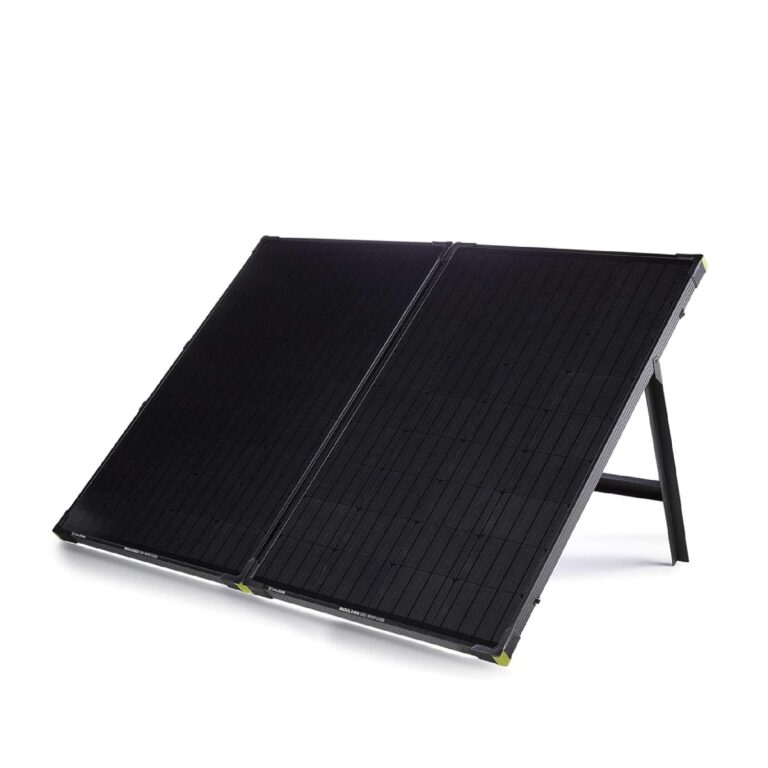
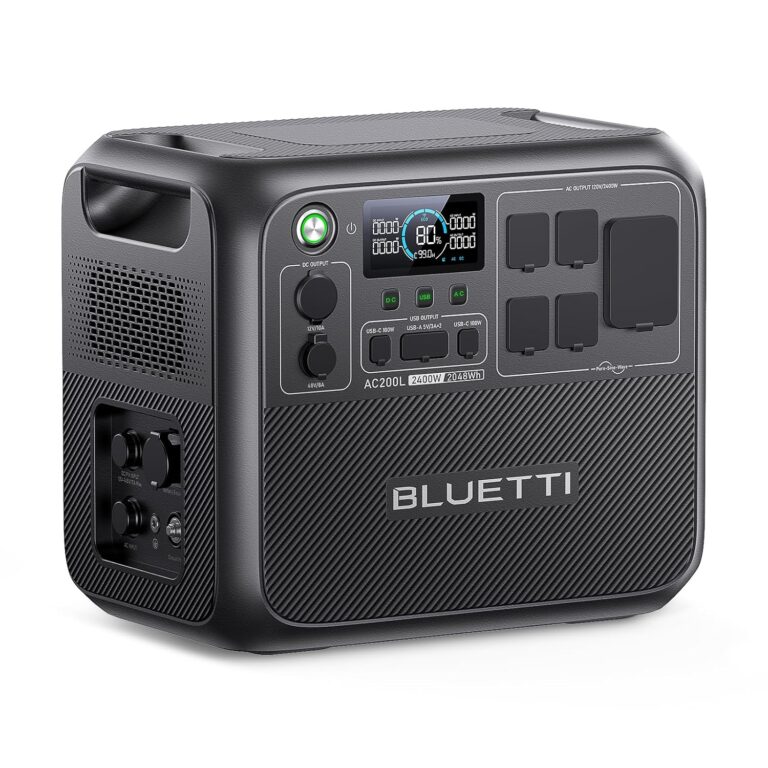
However, boondocking on BLM Land requires self-sufficiency. There are typically no amenities – no water, no electricity, no restrooms, and no trash service. You’ll need to be prepared to handle all your needs, including waste disposal, power generation (solar panels are popular), and water storage. Road conditions can also be challenging, often requiring a high-clearance vehicle or even 4-wheel drive to reach the best spots. It’s crucial to check road conditions beforehand and be prepared for primitive, unmaintained roads. Despite these challenges, the solitude and connection with nature make it an incredibly rewarding experience.
Pros:
- Free camping
- High level of privacy and solitude
- Access to vast and scenic landscapes
- Flexibility to choose your own campsite (within guidelines)
- Excellent opportunities for hiking, wildlife viewing, and other outdoor activities
Cons:
- No amenities (water, electricity, restrooms)
- Potentially challenging road conditions
- Requires full self-sufficiency
- Can be remote and isolated
- Limited cell service in many areas
Boondocking in State Parks
State Parks offer a different kind of boondocking experience. While some State Parks offer full hookup sites, many also provide designated areas or individual campsites for RV dry camping. These locations are often more structured than BLM Land, with marked sites, designated fire rings, and picnic tables.
While you won’t have hookups, State Parks often provide amenities such as restrooms (usually pit toilets in dry camping areas), potable water sources (often a shared spigot), and sometimes even dump stations for waste disposal. The scenery can be just as impressive as BLM Land, with many State Parks located in beautiful natural settings.
The key difference is the level of control and cost. State Park RV camping requires reservations, especially during peak season. Campsites are typically smaller and closer together than on BLM Land, reducing privacy. Also, there are almost always fees involved, ranging from a nominal fee for dry camping to more substantial amounts if using facilities within the park. However, the relative ease of access and basic amenities make State Parks a good option for those new to boondocking or who prefer a more controlled environment.
Pros:
- More accessible locations
- Basic amenities (restrooms, water) may be available
- Designated campsites and fire rings
- Generally safer and more patrolled than BLM Land
- Opportunities for structured activities like hiking trails and ranger programs
Cons:
- Fees required for camping
- Less privacy than BLM Land
- Reservations often required
- More rules and regulations
- Can feel crowded, especially during peak season
Boondocking with Harvest Hosts
Harvest Hosts offers a completely different approach to boondocking. Instead of camping on public land or in traditional campgrounds, Harvest Hosts connects RVers with a network of unique private properties, including farms, wineries, breweries, museums, and ranches.
The membership model works by paying an annual fee for access to the Harvest Hosts directory. Members are then welcome to stay overnight at participating locations, typically for free, in exchange for supporting the host business by purchasing their products or services. For example, you might camp overnight at a winery and buy a bottle of wine, or stay at a farm and purchase fresh produce.
The benefits of Harvest Hosts extend beyond the unique locations. Staying on private property offers a greater sense of safety and security. Hosts are often eager to share their knowledge and passion for their craft, providing a more enriching and personal experience. However, stays are typically limited to one night, and amenities are usually very basic – often just a level parking spot. It’s essential to be self-contained, as you won’t have access to hookups. Harvest Hosts is best suited for RVers who value unique experiences and enjoy supporting local businesses.
Pros:
- Unique and memorable camping experiences
- Opportunity to support local businesses
- Increased sense of safety and security
- Chance to learn about different trades and industries
- Often located in scenic rural areas
Cons:
- Annual membership fee required
- Stays typically limited to one night
- Very limited or no amenities
- Requires supporting the host business through purchases
- Not suitable for long-term stays
Side-by-Side Comparison
To summarize the differences, here’s a comparison table of the key features of each boondocking option:
| Feature | BLM Land | State Parks | Harvest Hosts |
|---|---|---|---|
| Cost | Free | $10-$40+ per night | Annual membership fee |
| Privacy | High | Low to Medium | Medium |
| Scenery | Excellent | Good to Excellent | Varies, typically rural |
| Amenities | None | Limited (restrooms, water) | Very limited (usually none) |
| Safety & Accessibility | Can be challenging | Generally good | Good |
| Stay Duration | Up to 14 days (typically) | Varies, typically shorter | 1 night |
| Off-Grid Suitability | Ideal | Suitable | Suitable |
| Rules & Restrictions | Minimal, but important to follow | Moderate to High | Moderate |
Which Boondocking Location Is Best for Your RV Lifestyle?
The “best” boondocking location ultimately depends on your individual RV lifestyle and preferences. Here’s a breakdown based on traveler type:
- Full-time RVers: BLM Land is often the most economical and flexible option for extended travel, allowing for longer stays and access to diverse landscapes.
- Off-grid boondockers: BLM Land is the ultimate proving ground for off-grid RV camping skills and self-sufficiency.
- Families: State Parks offer a safer and more structured environment for families, with amenities and activities to keep everyone entertained. The cost may be higher, but the added convenience can be worth it.
- Weekend travelers: Harvest Hosts is a fantastic option for weekend getaways, providing unique experiences and the opportunity to explore local businesses. State Parks are also a good choice, but reservations are essential.
- Digital nomads: While all options are possible, State Parks or BLM land with reliable cell service (researched beforehand) might be preferable. Harvest Hosts can work for short stays, but the one-night limit might be restrictive for remote work.
Conclusion
BLM Land provides unparalleled freedom and access to stunning landscapes. State Parks offer a more structured and convenient experience with basic amenities. And Harvest Hosts connects RVers with unique private properties and local businesses.
The “best” boondocking location depends entirely on your priorities: freedom, comfort, unique experiences, or something in between. Consider what’s most important to you on your RV adventures.
Ready to explore more RV comparison guides? Check out our other articles to help you make informed decisions about your RV lifestyle!