RV Maintenance Tips: Complete Motorhome Care Guide
Master the best RV maintenance tips and keep your motorhome in pristine condition with the right tools and supplies
Getting Started with RV Maintenance Tips
Why RV Maintenance Tips Matter for Your Motorhome
RV maintenance tips are the foundation of motorhome ownership. Effective RV maintenance tips start with understanding what your motorhome needs and having the right tools. Many new RV owners struggle because they don’t have a clear maintenance plan or the right approach. The best RV maintenance tips combine essential tools, quality cleaning supplies, and a solid motorhome maintenance checklist to stay on top of potential issues before they become expensive problems. For specialized maintenance guidance, be sure to check out our RV leveling and stabilization guide.
In this guide, we’ll walk you through the most important RV maintenance tips and strategies that experienced RV owners use, along with the specific tools and supplies you’ll need to keep your motorhome running smoothly.
Essential Tools and RV Maintenance Tips Every Owner Should Know
Basic Hand Tools: Your First Line of Defense
Every RV should be equipped with a basic set of hand tools. These fundamental items will handle 80% of the maintenance tasks you’ll encounter while traveling.
Screwdriver & Wrench Set
A complete set including both Phillips and flathead screwdrivers in multiple sizes, plus metric and standard wrenches. These are essential for tightening connections, replacing fixtures, and addressing the small issues that crop up regularly.
Hammer & Mallet
Useful for driving stakes, adjusting fixtures, and general repairs. A rubber mallet prevents damage to sensitive RV components, while a traditional hammer handles tougher jobs. Keep both in your toolkit.
Measuring Tape & Level
A 25-foot measuring tape and spirit level are essential for identifying leveling issues and performing slide-out maintenance. You’ll use these tools constantly to ensure your RV is properly positioned and safe.
RV Maintenance Tips: Tire Monitoring and Safety
Tire maintenance might seem straightforward, but it’s one of the most critical aspects of RV ownership. Importantly, tire failures on the highway can be catastrophic, especially in a large motorhome.
One of the most important RV maintenance tips is checking your tire pressure regularly. An accurate tire pressure gauge is your first line of defense against tire failure. You should check tire pressure monthly and before every long trip. With a backlit digital display and proper readings, you can quickly verify tire health and prevent dangerous blowouts. This simple habit extends tire life and improves fuel efficiency.
RV Maintenance Tips: Tire Care Schedule and Best Practices
🛞 Proper Tire Maintenance Schedule
Weekly: Check tire pressure when tires are cold (before the sun heats them). Verify all tires maintain proper PSI according to your RV manufacturer’s specifications-not the maximum pressure listed on the tire sidewall.
Before long trips: Always check pressure again. A 10-degree temperature change can shift PSI by 1-2 points, affecting ride quality and fuel efficiency.
Every 5,000 miles: Rotate tires to ensure even wear. This extends tire life and maintains balanced handling.
Every season: Visually inspect for cracks, uneven wear, or bulges. These indicate problems requiring immediate attention.
Proper tire maintenance not only extends tire life and improves fuel efficiency-it’s absolutely critical for your safety and the safety of others on the road.
RV Maintenance Tips: Cleaning Essentials and Supplies
Why Proper Cleaning Matters for Your RV
Keeping your motorhome clean isn’t just about aesthetics-it’s about preservation and health. Your RV contains specialized materials that require specific cleaners to maintain properly. Using the wrong products can damage finishes, harm appliances, and compromise your water system.
Moreover, regular cleaning helps you spot maintenance issues before they become expensive problems. That small water stain might indicate a developing leak. That discoloration on your roof could signal UV damage. Regular inspection during cleaning saves money and headaches down the road.
RV Cleaning Supplies By Category
Interior Cleaning: Protecting Your Living Space
Your RV’s interior is an enclosed environment with limited air circulation. For this reason, regular cleaning becomes even more important for health and comfort. Here are the essential cleaning supplies that professional RV owners keep stocked:
- Microfiber cloths: These trap dust and grime without scratching delicate surfaces like cabinets, counters, and appliances. Keep several on hand-they’re inexpensive and reusable.
- RV-safe multi-surface cleaner: Formulated specifically for RV materials, these cleaners won’t harm cabinetry, counters, or electronics. Never use household detergent, which can leave residue in your water system.
- HEPA filter vacuum: Regular household vacuums push allergens around in the small RV space. A HEPA filter vacuum captures dust and allergens, improving air quality significantly.
- Disinfectant spray: For bathrooms and high-touch areas. Look for RV-specific formulas that won’t damage finishes.
- Stainless steel polish: If your RV has stainless steel appliances, this protects the finish and prevents rust.
- Window and glass cleaner: For skylights, windows, and mirrors. Use newspaper or microfiber cloths to prevent streaks.
Exterior Cleaning: Protection Against the Elements
Your RV’s exterior faces constant assault from sun, rain, road salt, and debris. Proper cleaning and protection extend the life of your exterior and maintain its appearance and value. However, exterior cleaning requires a different approach than interior work.
Your RV’s exterior faces constant assault from sun, rain, road salt, and debris. The key principle is gentle but effective cleaning. Your exterior is more delicate than you might think. Below are the essential cleaning products for exterior work:
- RV wash soap: Specifically formulated for fiberglass and painted surfaces. It’s pH-balanced to clean without damaging the finish. Never use household dish soap.
- Soft-bristle brushes: Hard brushes damage fiberglass and paint. Soft-bristle versions clean effectively without harm.
- Low-PSI pressure washer: If you use a pressure washer, keep it under 2000 PSI. High-pressure washers force water into seams and damage seals. Never aim at windows, doors, or rubber seals.
- RV wax and sealant: Applied quarterly, wax protects paint and fiberglass from UV damage and oxidation. This simple step dramatically extends exterior life.
- Rubber roof treatment: If your RV has a rubber roof (most do), specialized treatment products protect the membrane and prevent premature failure.
- Tire shine: Protects tires from UV damage and enhances appearance. This is both functional and aesthetic.
Tank and System Maintenance: The Hidden Complexity
Many new RV owners overlook tank maintenance until problems develop. Your fresh water, gray water, and black water systems require specific care and specialized products designed for these critical systems.
- Tank treatment chemicals: These break down waste and control odors in holding tanks. Use them regularly to prevent buildup and maintain system health.
- Fresh water system sanitizer: Sanitize your potable water system at least seasonally to prevent bacterial growth and ensure safe drinking water.
- Gray water tank cleaner: Prevents buildup in drains and maintains water flow. Use regularly for preventive maintenance.
- Black tank enzymatic treatment: These naturally break down waste materials without harsh chemicals, reducing odors and maintaining system function.
💧 Tank Maintenance Tip
Always fill holding tanks with water before adding treatment chemicals. This ensures proper distribution and effectiveness. For black tanks, many experts recommend the “tank full method”-filling the tank completely, using the toilet, and then dumping at a dump station. This creates the turbulence needed to thoroughly clean the tank walls.
RV Maintenance Tips and Best Practices
Building a Maintenance System That Works
Having a systematic approach to maintenance prevents problems before they start. Reactive maintenance (fixing things after they break) costs exponentially more than preventive maintenance (maintaining systems so they don’t break).
The sections below provide a structured approach to keeping your RV healthy and road-ready for years to come. By following these guidelines, you’ll develop habits that protect your investment and ensure reliable performance.
RV Maintenance Tips: Your Complete Motorhome Checklist
Creating Your Personal Motorhome Maintenance Checklist
Every RV is different, and your maintenance needs depend on your specific model, age, and usage patterns. A comprehensive maintenance checklist should cover these essential areas:
Quick Start: The 10-Minute Monthly Routine
Monthly Maintenance Checklist
- Check tire pressure and inspect for wear or damage
- Check fluid levels: engine oil, coolant, brake fluid, and power steering fluid
- Test house and chassis batteries; check terminals for corrosion
- Run all appliances: refrigerator, water heater, furnace, and air conditioning
- Inspect exterior: Check seals, caulking, and rubber gaskets for cracks or gaps
- Walk through interior: Look for leaks, soft spots, water stains, or unusual odors
- Check holding tank levels and sensor accuracy
- Operate all slide-outs and awnings; inspect for damage or misalignment
Seasonal Checklist Overview
Spring: Post-Storage Inspection
After winter storage, your RV needs attention. Begin by deep cleaning the interior and exterior after months of storage. Then, inspect for any weather damage or freeze cracks. Have your air conditioning serviced before the warm months arrive to ensure it works when you need it most. This is also a good time to check your roof condition and re-seal if needed.
Summer: Heat and UV Protection
Heat is the enemy of RV systems. Monitor tire condition closely because heat significantly stresses tires. Additionally, check your roof regularly during summer camping-sun damage accelerates in heat. Importantly, maintain awnings and external components, as intense sun can degrade seals and materials. Finally, run your generator regularly to keep the engine healthy if you’re not using shore power.
Fall: Pre-Winter Preparation
Prepare for cooler weather by servicing your furnace and heating systems. Next, check weatherstripping and door seals for gaps. Subsequently, if you’re winterizing for cold storage, follow the complete winterization process. This is also a good time to deep clean before winter and prepare batteries for cold weather performance.
Winter: Cold-Weather Operation
If you’re staying in cold climates, drain and protect your water systems to prevent freeze damage. Additionally, monitor battery performance because cold reduces battery capacity. Furthermore, check your heating system frequently to ensure reliable warmth. Finally, if you’re in a storage location, periodically check the RV for water intrusion or pest damage.
Mileage-Based Maintenance Schedule
Additionally, you should follow these intervals based on miles driven:
- Every 1,000 miles: Check tire pressure and alignment; monitor fuel consumption for unusual changes
- Every 6,000 miles: Change engine oil and replace oil filter. This is critical for engine health, even if your manual says 10,000 miles-RVs often have extended idle periods that require more frequent changes.
- Every 12,000 miles: Rotate tires and inspect brakes thoroughly for wear
- Every 25,000 miles: Service transmission and inspect engine belts for cracks or fraying
- Every 50,000 miles: Deep brake service, coolant system inspection, and complete fluid analysis
Storage Prep That Prevents Expensive Repairs
Storage and Off-Season Care
Whether you’re storing your RV seasonally or for extended periods, proper preparation prevents costly damage and deterioration.
- Climate control: Store in covered facilities when possible to protect from UV damage, snow, rain, and temperature extremes.
- Water system winterization: In freezing climates, winterize plumbing systems completely. Frozen water expands and ruptures pipes-one of the most expensive repairs an RV owner faces.
- Battery maintenance: Keep batteries charged with a trickle charger or solar panel during storage. Dead batteries sulfate and become unreliable.
- Fuel protection: Use fuel stabilizer in gas tanks during long-term storage to prevent gum buildup and engine problems.
- Tire care: Cover tires or inflate slightly above normal pressure to prevent flat spots from forming during months of immobility.
- Ventilation: Crack windows slightly to allow air circulation and prevent mildew growth in the enclosed space.
🔒 Pre-Storage Checklist
Before storing your RV, deep clean everything. Close all windows and doors. Drain water tanks completely. Add fuel stabilizer and run the engine to circulate it. Disconnect the battery or place it on a trickle charger. Empty and clean holding tanks. Leave cabinet doors open slightly for air circulation. Cover the RV if possible. Check it monthly for pest damage or leaks.
RV Maintenance Tips: Recommended Tools and Supplies
The right tools and cleaning supplies make motorhome maintenance easy and stress-free. Throughout this guide, we’ve discussed various maintenance strategies and challenges RV owners face. Now let’s explore our top product recommendations to address those issues.
How We Picked These Products
Focus #1: Safety and Reliability
Every product on our list has been selected for its proven performance and safety ratings. We prioritize tools and supplies that prevent costly breakdowns and protect your RV investment.
Focus #2: RV-Safe Materials
We only recommend products specifically formulated for RV use. Household cleaners and generic tools can damage sensitive RV systems and finishes.
Focus #3: Value and Long-Term Use
These products offer excellent long-term value. Quality tools and supplies cost less than emergency repairs and replacements.
Essential RV Maintenance Tips: Must-Have Tools
To begin, every RV owner needs a foundation of reliable tools. These products help you handle routine repairs and unexpected issues while traveling. A well-equipped toolkit is truly the first step toward confident RV ownership.
Essential Maintenance Tools
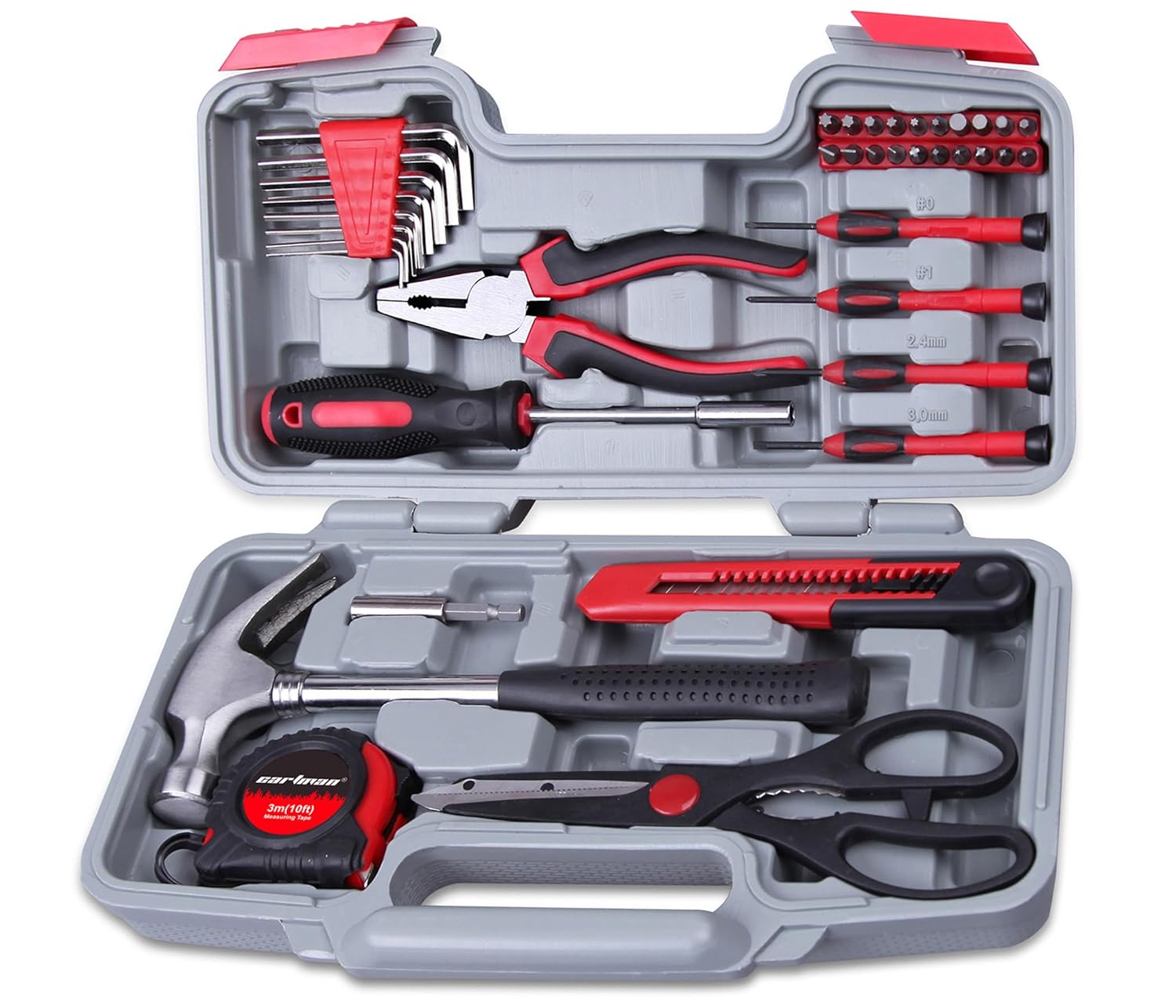
Portable RV Tool Kit (39-Piece)
Why you need it: This comprehensive toolkit contains all the essential tools you’ll use most often-screwdrivers, wrenches, pliers, and sockets-organized in a durable carrying case that stores compactly in your motorhome. Having these tools readily available makes handling routine maintenance much easier.
Useful tip: From tightening loose cabinet handles to adjusting exterior fixtures, this toolkit handles 80% of routine RV maintenance tasks. Keep it accessible so you can address issues immediately as they appear during your regular maintenance inspections.
View on Amazon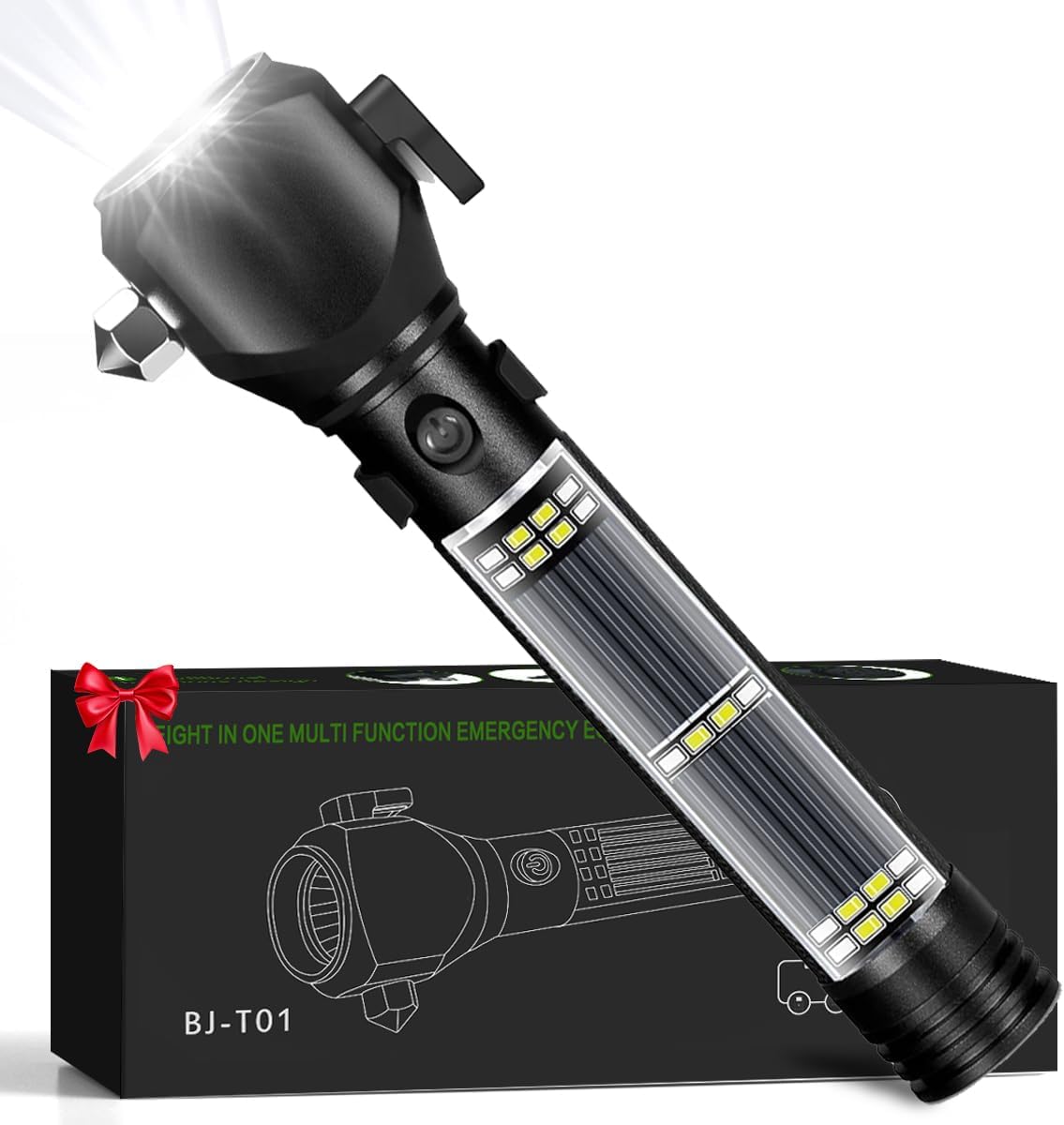
RV LED Flashlight Multi-Tool
Why you need it: RV repairs don’t always happen in daylight. This compact LED flashlight with integrated tools provides bright illumination for inspecting dark compartments, checking under the RV, or diagnosing electrical issues. An essential companion for any RV maintenance toolkit.
Useful tip: Whether you’re checking your furnace in a dark basement-like storage area or troubleshooting a plumbing issue under the sink, this multi-tool flashlight gets you the light and basic tools you need immediately.
View on AmazonTire Pressure Monitoring & Repair
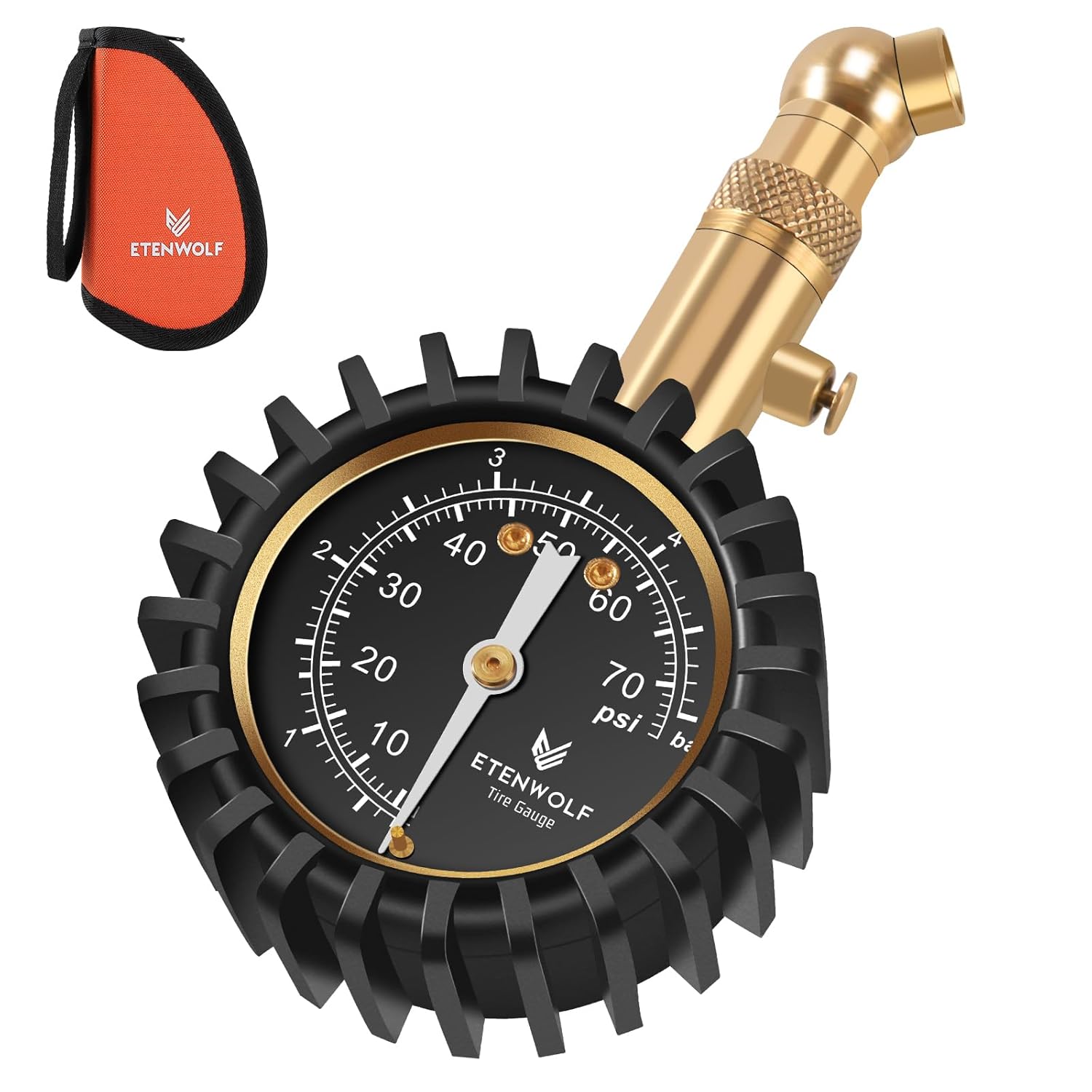
Digital Tire Pressure Gauge (0-100 PSI)
Why you need it: An accurate tire pressure gauge is your first line of defense against tire failure. With a backlit digital display and 0-100 PSI range covering all RV tire types, you can quickly verify tire health before every trip.
Useful tip: Check tire pressure monthly in the morning before tires heat up. This simple habit prevents dangerous blowouts, extends tire life, and improves fuel efficiency. The digital readout eliminates guessing about whether pressure is correct.
View on Amazon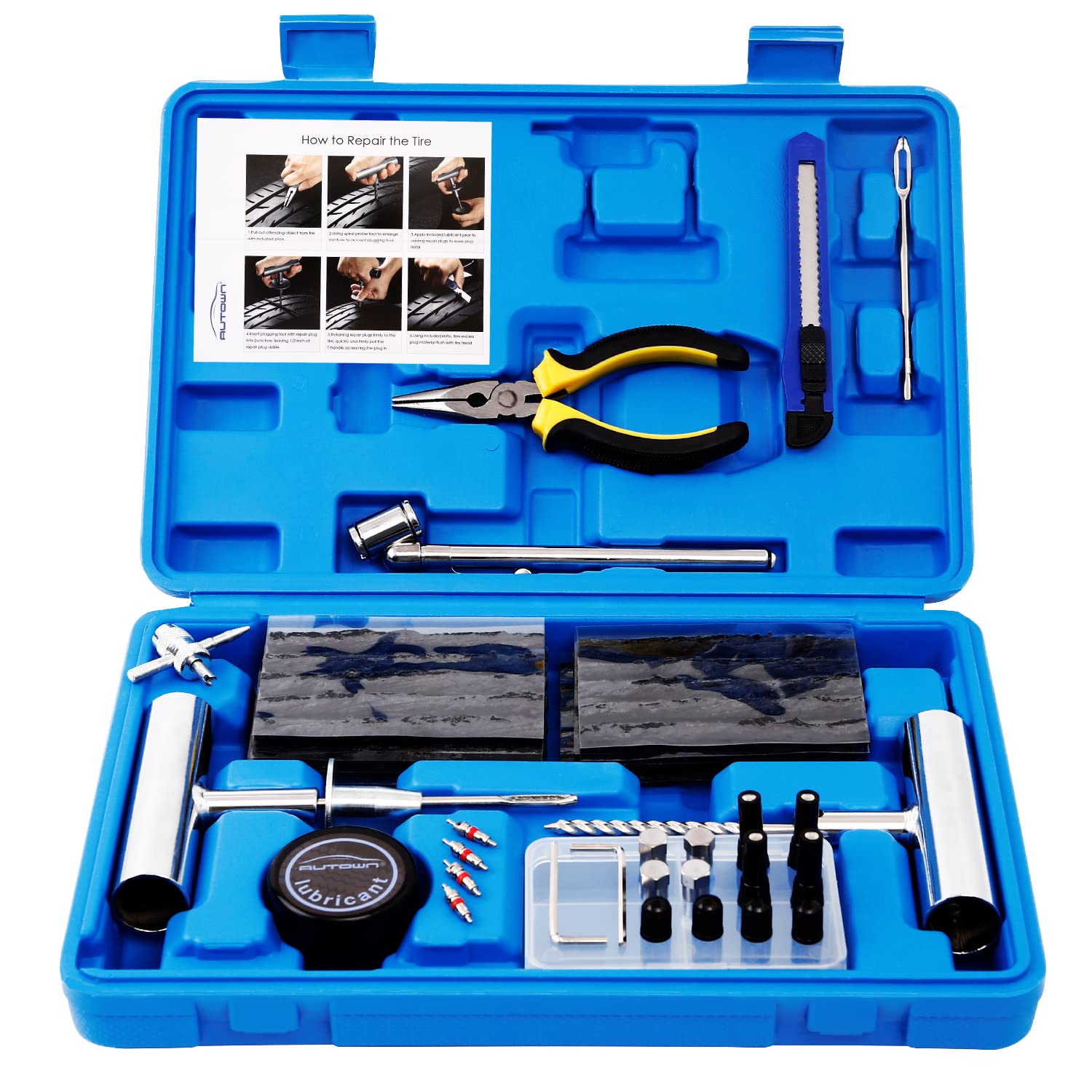
Portable Tire Repair Kit with Plugs
Why you need it: When you get a small puncture far from a repair shop, this emergency tire repair kit saves the day. While regular tire monitoring helps prevent problems, this kit handles unexpected emergencies when they occur.
Useful tip: Keep this kit in your RV at all times as part of your emergency supplies. A small puncture that would otherwise strand you becomes a minor repair you can handle roadside.
View on AmazonTire Protection and Maintenance
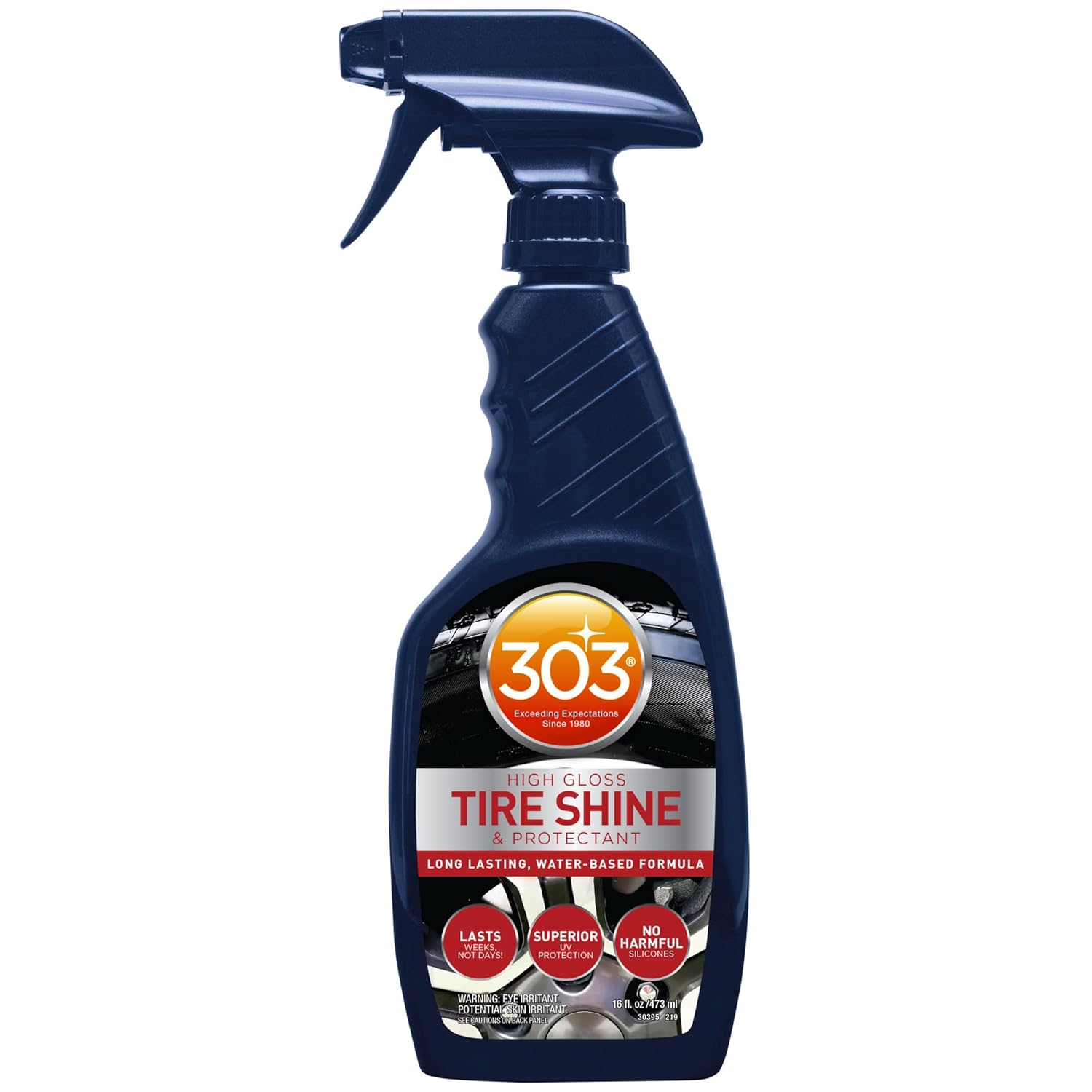
RV Tire Shine Protectant
Why you need it: Protect your tires from UV damage with this specialized tire shine. It extends tire life significantly while making your tires look darker and more professional.
Useful tip: Sun exposure degrades tire rubber over time. This protectant creates a barrier against UV rays, working alongside your regular tire pressure monitoring for complete tire care and longevity.
View on AmazonRV Maintenance Tips: Cleaning Products and Care
RV Cleaning Essentials
Quality cleaning products protect your motorhome’s finishes and systems. These products are formulated for RV materials, ensuring your interior and exterior stay clean without damage. Regular cleaning also helps you spot maintenance issues early, preventing expensive repairs.
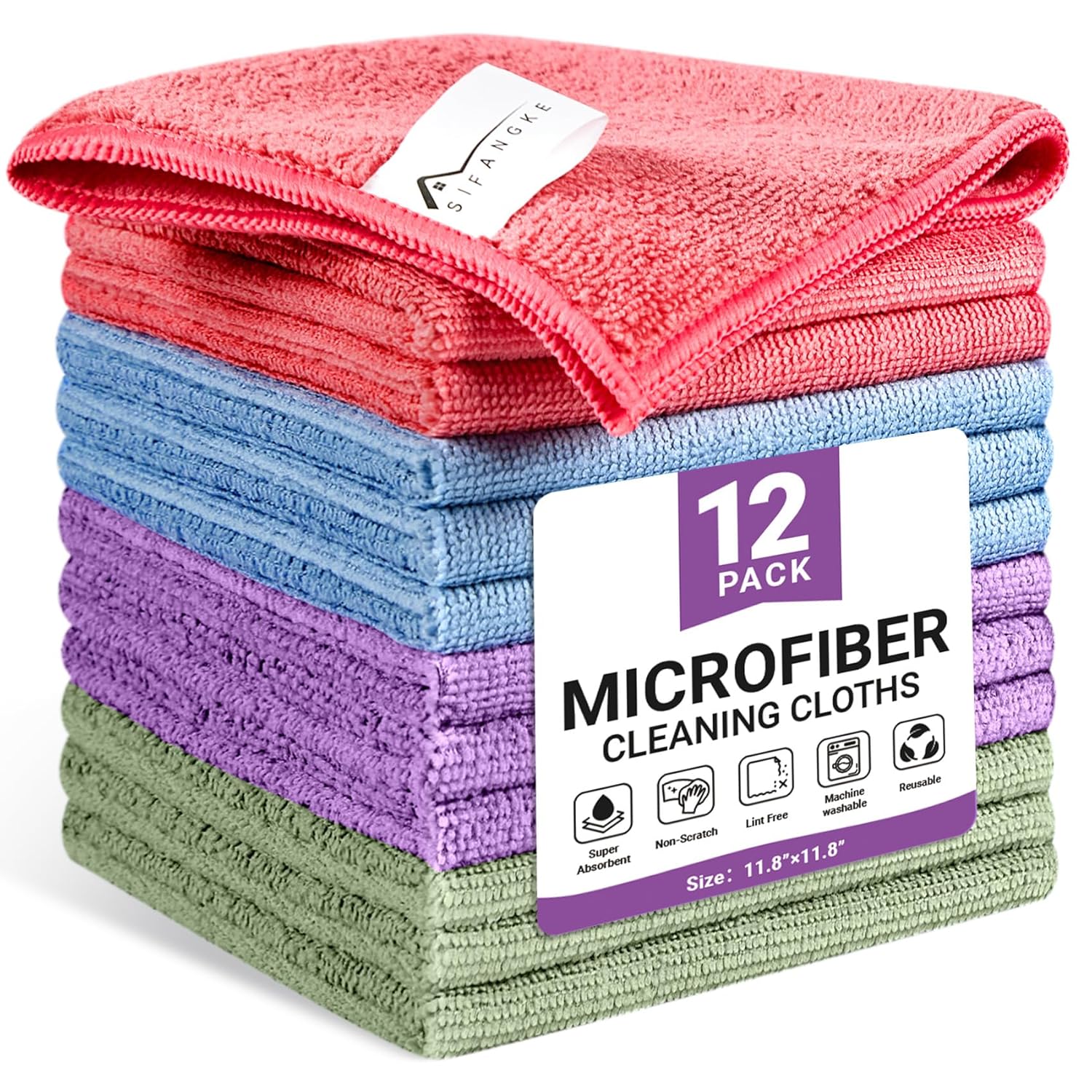
Microfiber Cleaning Cloth Set (12-Pack)
Why you need it: These microfiber cloths are the foundation of proper RV cleaning and an essential part of any quality rv cleaning supplies collection. They trap dust and grime without scratching delicate surfaces on cabinetry, counters, windows, and appliances. Machine-washable and reusable for hundreds of uses.
Useful tip: Keep these cloths throughout your RV-bathroom, kitchen, living area. Use them for interior dusting, exterior drying after washing, and window cleaning. Quality microfiber cloths are the backbone of a comprehensive rv cleaning supplies setup.
View on AmazonInterior Cleaning Solutions
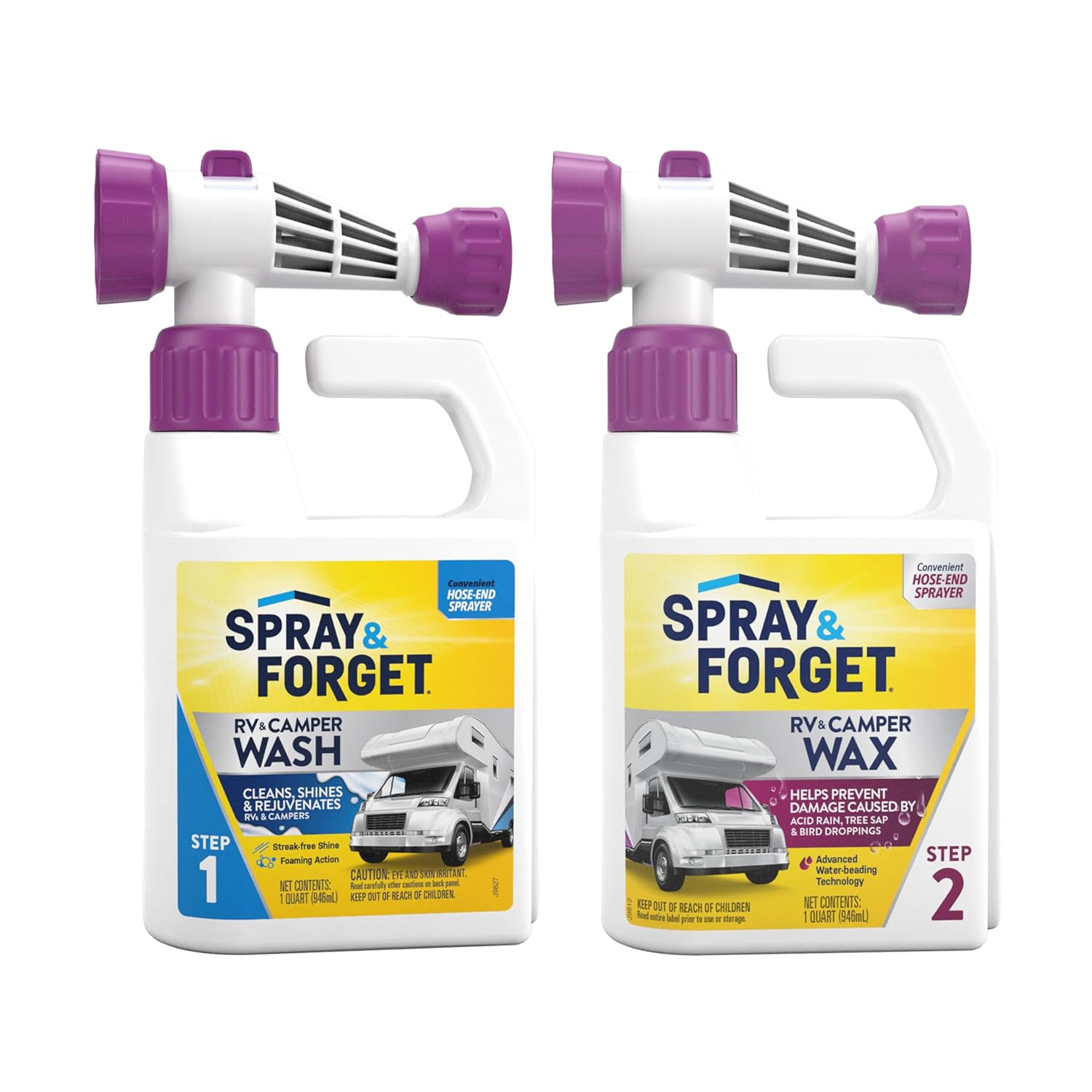
RV Wash & Wax Combo (2-in-1)
Why you need it: This combination cleaner and wax is specifically designed for RV materials and should be a staple in your rv cleaning supplies arsenal. Unlike household cleaners that damage finishes, this RV-specific formula protects against UV damage and oxidation in one simple application.
Useful tip: Apply this exterior rv cleaning supplies product quarterly as part of your motorhome maintenance routine. The protective wax layer extends paint and fiberglass life significantly, maintaining your motorhome’s appearance and resale value.
View on Amazon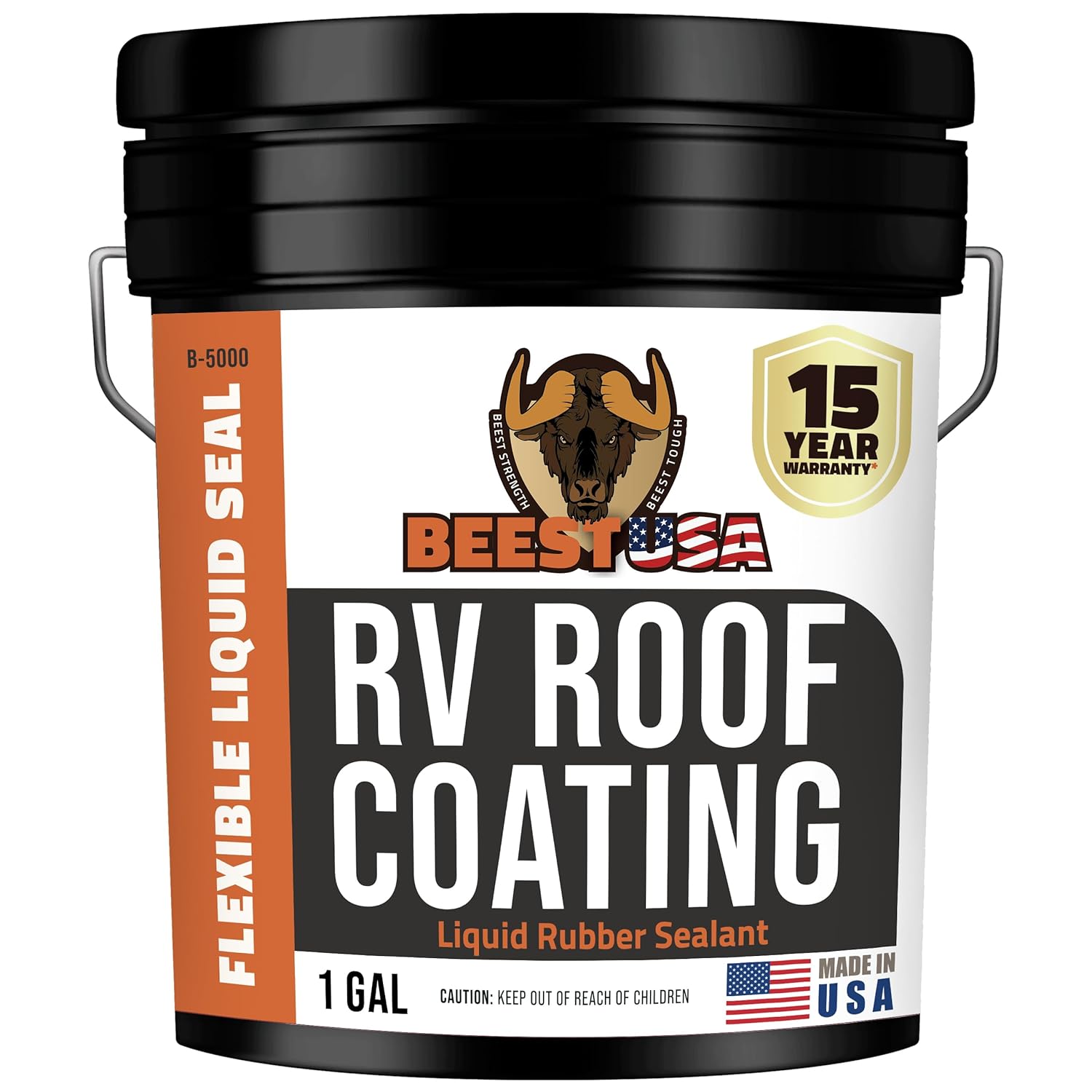
Rubber Roof Coating & Sealant
Why you need it: Most RVs have rubber roofs that require specialized care using quality rv cleaning supplies and protective products. This protective coating guards against UV damage and prevents premature deterioration. Applied every 2-3 years, it dramatically extends roof life.
Useful tip: Include rubber roof treatment in your annual RV maintenance routine-add it to your motorhome maintenance checklist. A few hours of application work saves thousands in leak repairs. This is preventive maintenance at its most valuable.
View on AmazonExterior Cleaning Equipment & Supplies
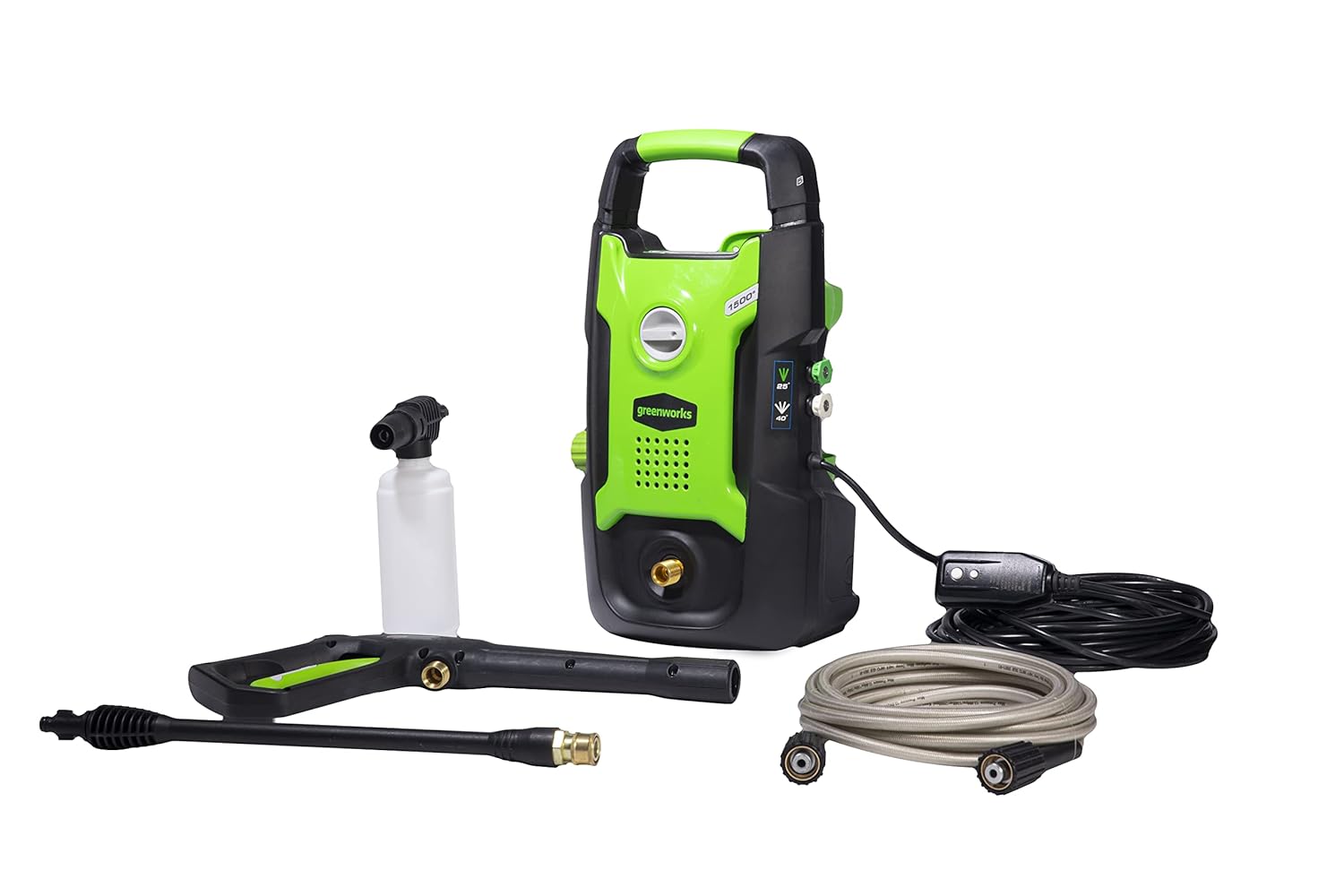
Portable Low-PSI Pressure Washer (1500-2000 PSI)
Why you need it: This pressure washer is specifically designed for RV use and is an essential piece of rv cleaning supplies equipment with 1500-2000 PSI-powerful enough for stubborn dirt but gentle enough for delicate fiberglass and painted surfaces. Never use household high-pressure washers on RVs.
Useful tip: Clean your undercarriage, remove road grime, and refresh exterior surfaces safely using this specialized RV cleaning equipment. The low PSI ensures you won’t accidentally damage your motorhome while achieving professional-looking results.
View on AmazonInterior & Glass Cleaning
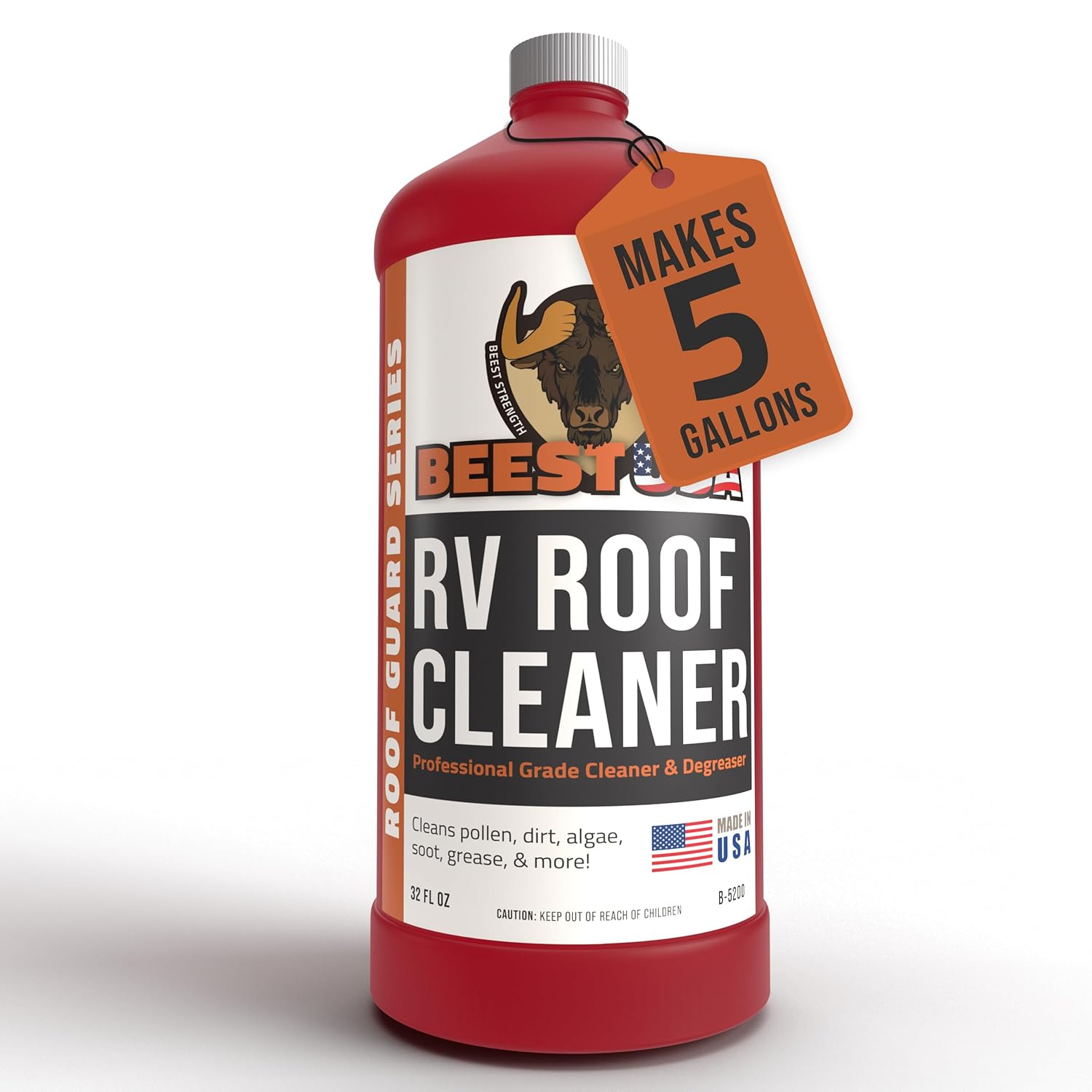
RV Multi-Surface Cleaner (RV-Safe Formula)
Why you need it: Unlike household detergents that damage finishes and leave residue in water systems, this RV-safe multi-surface cleaner is a premium rv cleaning supplies product specifically formulated for motorhome materials. Safe for cabinets, counters, appliances, and electronics without harm.
Useful tip: Use this interior rv cleaning supplies product throughout your RV for daily cleaning. It keeps your living space hygienic and fresh without damaging your investment-a key part of responsible motorhome ownership and maintenance.
View on Amazon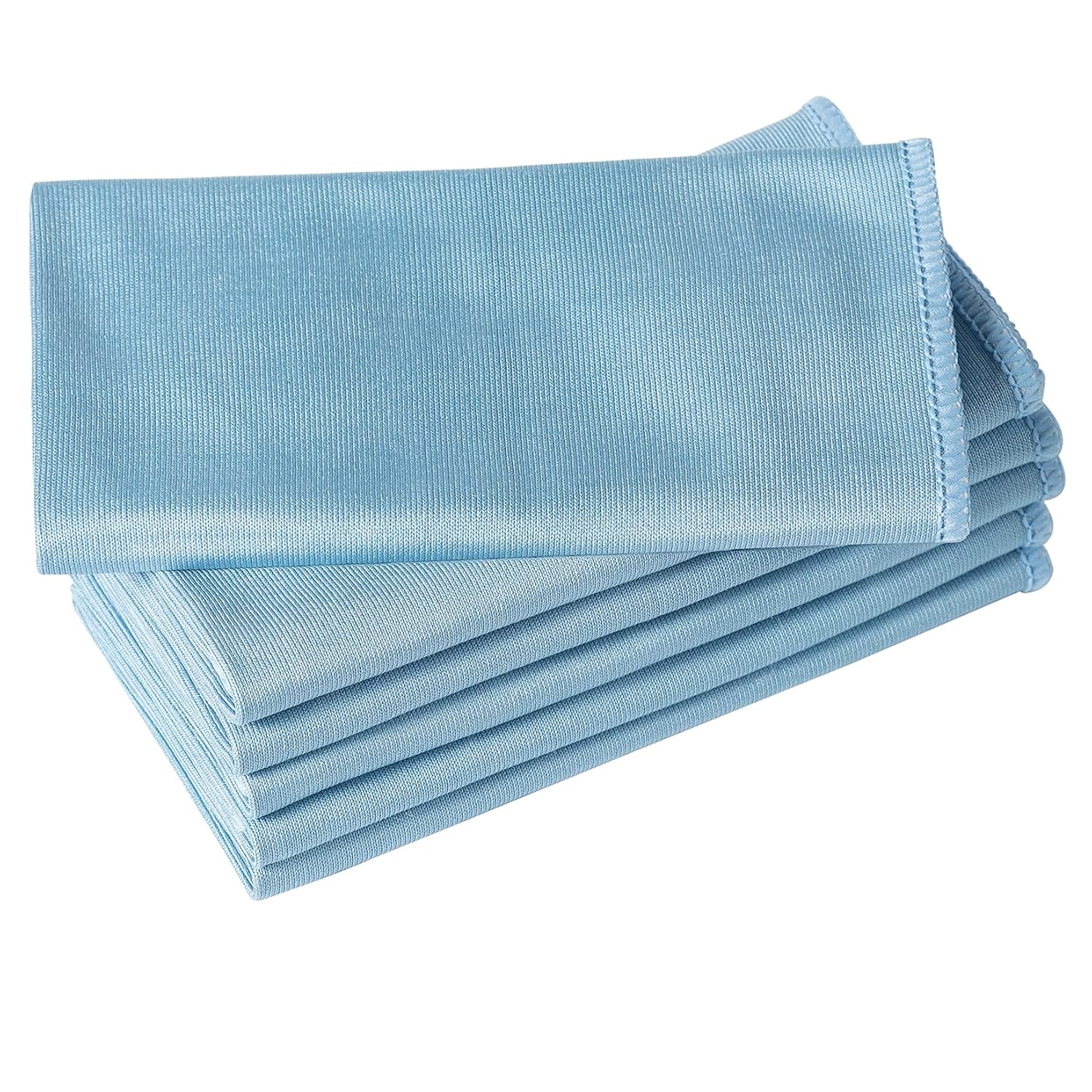
Window & Glass Cleaner with Microfiber Cloth
Why you need it: This is an essential member of your rv cleaning supplies collection for streak-free cleaning of skylights, windows, and mirrors. This RV-safe formula works perfectly with microfiber cloths to deliver crystal-clear results without ammonia or harsh chemicals that damage rubber seals.
Useful tip: Include window cleaning in your monthly motorhome maintenance checklist. Clean windows regularly to monitor weather seals and detect early leaks. Crystal-clear windows also enhance interior brightness and your living experience.
View on Amazon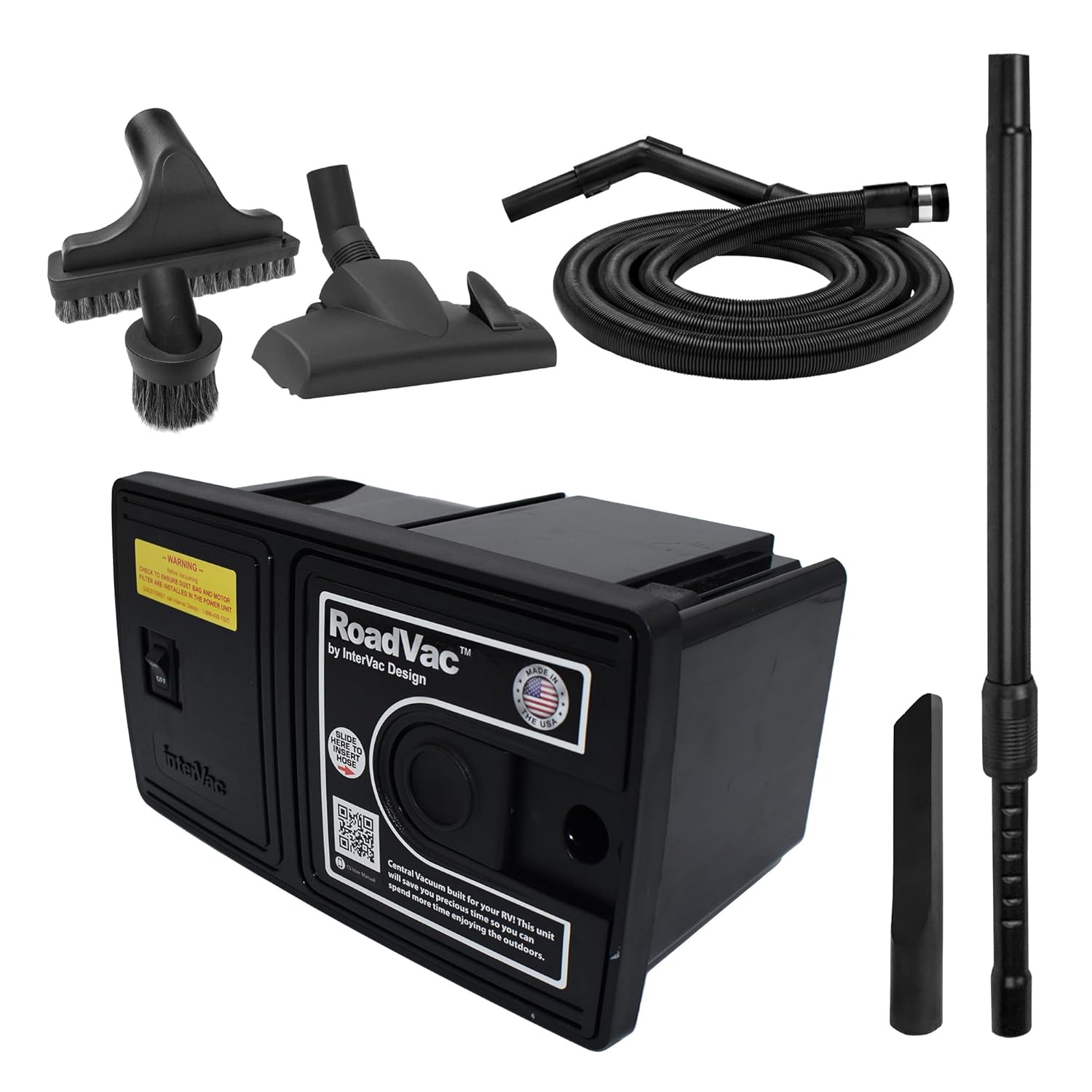
HEPA Filter Vacuum for RVs
Why you need it: RVs are enclosed spaces with limited air circulation, making a quality HEPA vacuum one of the most important rv cleaning supplies you can own. A HEPA filter vacuum captures allergens and dust instead of recirculating them. Compact and designed for RV cabinetry and tight spaces.
Useful tip: Use weekly to maintain a clean, healthy interior-include it in your motorhome maintenance checklist. The HEPA filter is especially important for RVers with allergies or asthma, where recirculated dust can be problematic in a confined space.
View on AmazonWater and Tank System Care
Water System & Tank Maintenance
Healthy water systems and holding tanks are essential for comfortable RV living. Consequently, these rv cleaning supplies maintain system function, eliminate odors, and prevent costly repairs. Furthermore, regular tank maintenance is often overlooked by new RV owners but should be a cornerstone of your motorhome maintenance checklist.
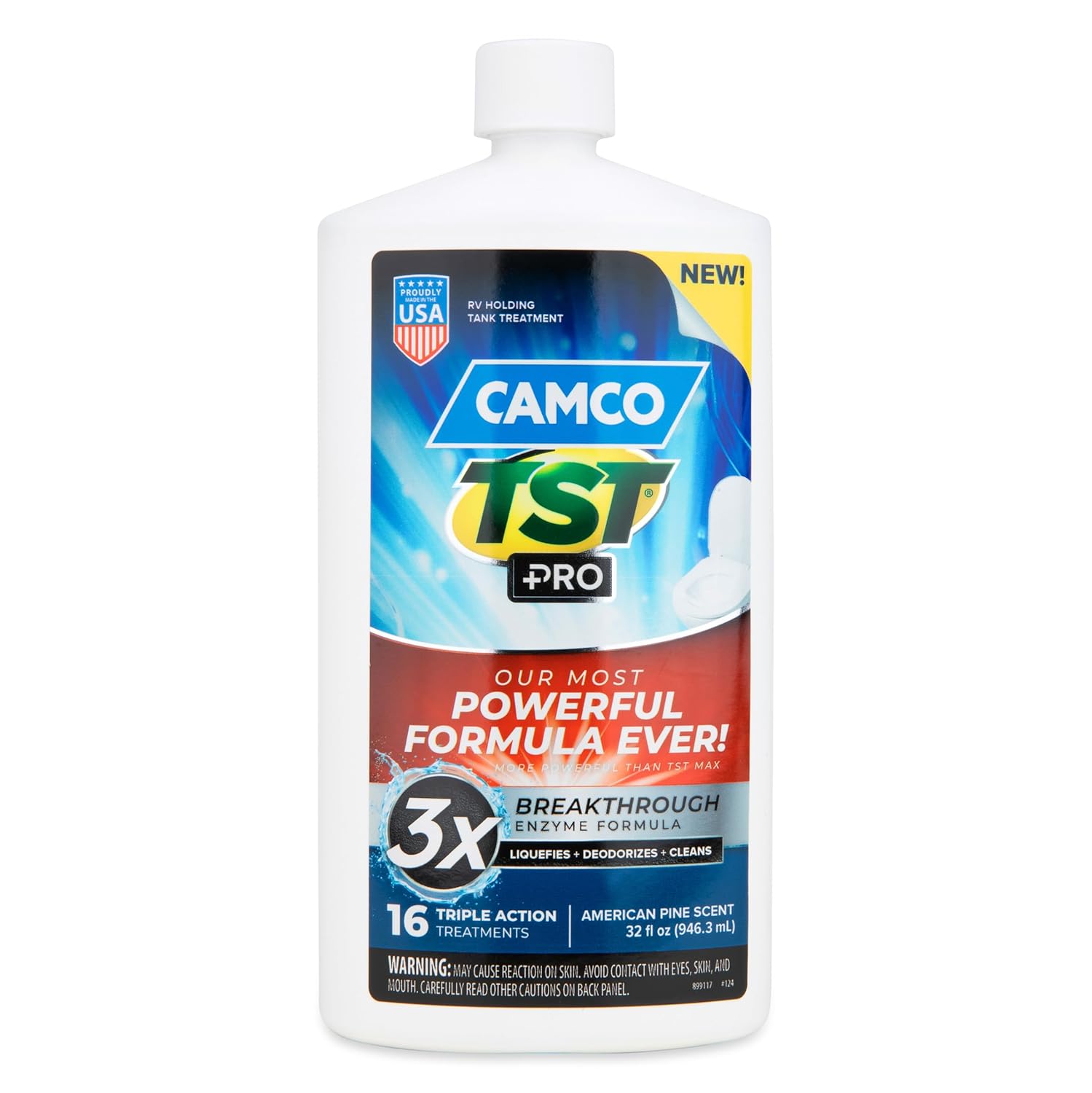
Holding Tank Treatment Kit (6-Month Supply)
Why you need it: This enzymatic formula naturally breaks down waste without harsh chemicals-an essential part of your rv cleaning supplies and motorhome maintenance checklist. Regular tank treatments eliminate odors, maintain system health, and prevent the buildup that causes backup and system failure.
Useful tip: Add treatment after each tank dump as part of your monthly motorhome maintenance checklist. This simple habit prevents the most common holding tank problems and keeps your motorhome fresh and comfortable for extended travels.
View on AmazonWater System Treatment Products
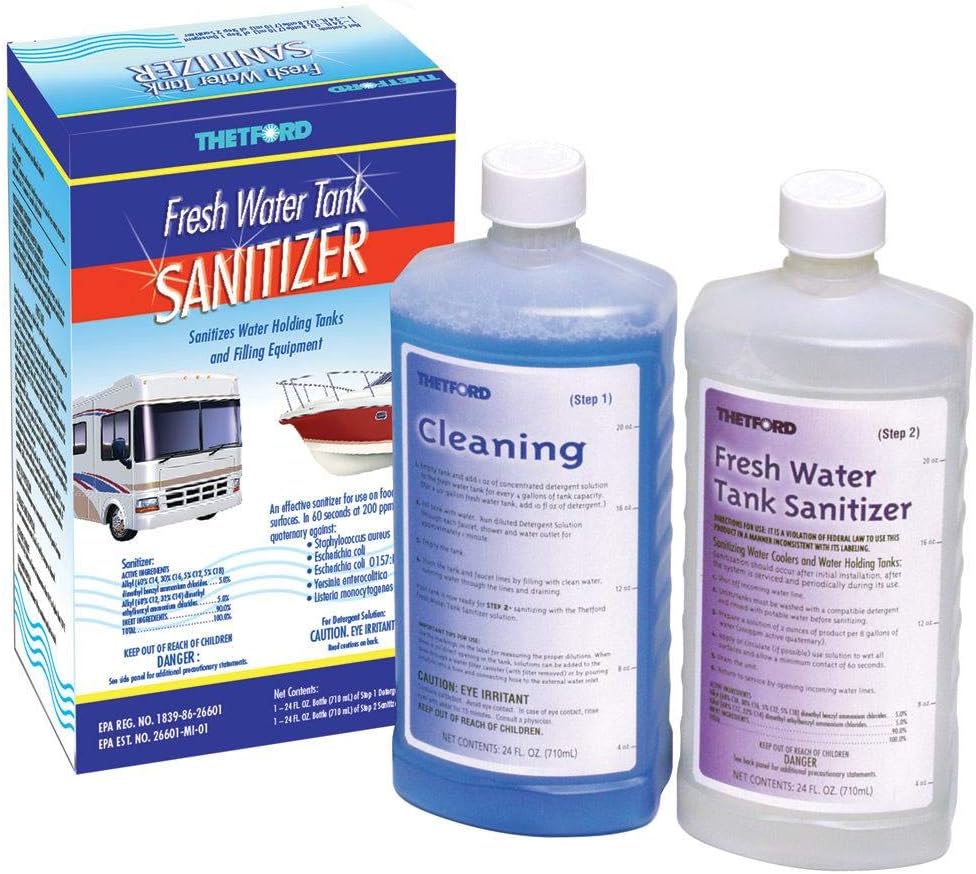
Fresh Water System Sanitizer
Why you need it: Sanitize your potable water system seasonally or whenever it sits unused-this is a critical entry on your motorhome maintenance checklist. This essential rv cleaning supplies product prevents bacterial growth and ensures safe drinking water, especially important after storage or extended stationary periods.
Useful tip: Before the camping season and before winter storage, run sanitizer through your entire water system using this rv cleaning supplies product. This 30-minute process ensures water safety and prevents system problems before they develop.
View on Amazon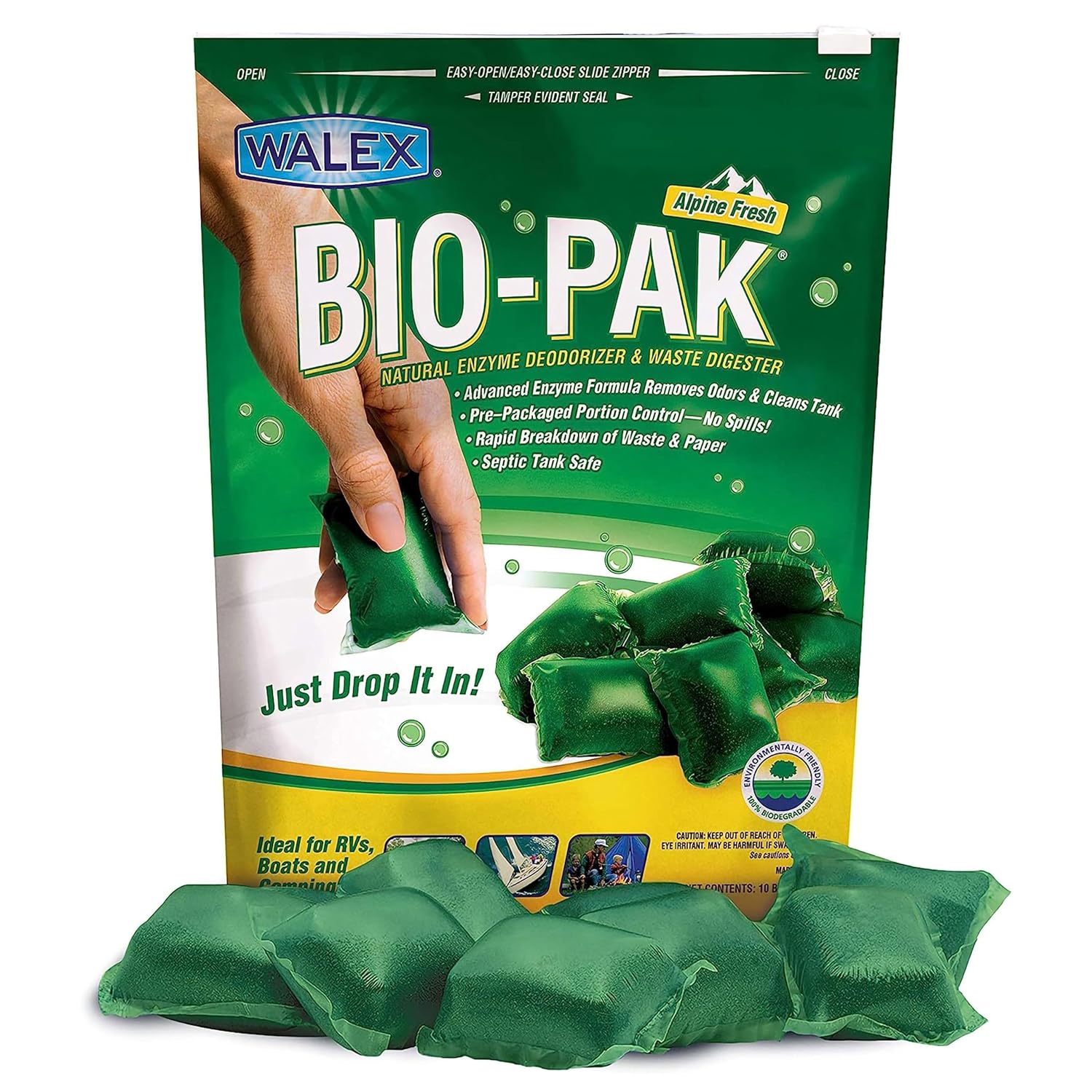
Gray Tank Cleaner (Bio-Enzyme Formula)
Why you need it: Gray water buildup causes slow drains and foul odors. This bio-enzyme formula is an important rv cleaning supplies product that works naturally without harsh chemicals damaging seals. Monthly use maintains water flow and should appear on your motorhome maintenance checklist.
Useful tip: Add to your gray tank monthly as part of your motorhome maintenance checklist. Healthy drains mean better function, fresher-smelling bathrooms, and fewer emergency repairs while traveling.
View on Amazon📋 Complete Your RV Maintenance Setup
Whether you’re just starting your RV journey or expanding your maintenance toolkit, these essential rv tools and rv cleaning supplies provide everything needed for comprehensive motorhome care. Explore each product and have them delivered to your door via our recommended affiliate partners. With the right equipment on hand and a solid motorhome maintenance checklist, you’ll be prepared for any maintenance challenge your RV presents.
Looking for more RV accessories beyond maintenance tools? Check out our comprehensive guide to the best RV accessories for every category-from interior comfort to exterior upgrades, safety gear to travel essentials. Discover products that enhance your RV experience and lifestyle.
Frequently Asked Questions About RV Maintenance
As an RV owner, you’ll naturally have questions about maintenance and care. Here are answers to the questions we hear most frequently from both new and experienced motorhome owners.
What essential RV tools do I really need as a beginner?
As a beginner, your essential rv tools should include: screwdrivers (Phillips and flathead), adjustable wrench, pliers, hammer, 25-foot measuring tape, spirit level, and flashlight. These handle 80% of routine tasks. As you gain experience, add a tire pressure gauge, battery tester, multimeter, and slide-out tools. A portable toolkit keeps everything organized and accessible. The key is starting simple and expanding based on what your specific RV needs.
How often should I check my RV’s tire pressure with my gauge?
Check tire pressure at least once per month when stationary, and before any long trip. Tire pressure changes with temperature fluctuations (roughly 1 PSI per 10 degrees), so verify pressure in the morning before the sun heats the tires for the most accurate reading. Use an accurate rv tire pressure gauge and always refer to your vehicle’s manufacturer specifications-not the maximum PSI listed on the tire sidewall. Proper tire maintenance is critical for safety, fuel efficiency, and tire longevity. Under-inflated tires wear faster and overheat; over-inflated tires wear unevenly and handle poorly.
Why are leveling blocks for RV so critical?
Leveling blocks for rv are essential because an unlevel motorhome causes serious problems. Improper leveling affects your refrigerator’s function (allowing frost buildup, spoiling food, or causing expensive repairs), impacts plumbing (water won’t flow, waste backs up), stresses the frame (causing leaks and structural damage), and makes living inside uncomfortable. Most experts recommend staying within 1-2 degrees of level. Plastic leveling blocks are preferred over wooden blocks because they don’t absorb moisture, resist rot, and are completely reusable. Think of leveling blocks for rv as preventive medicine for your motorhome-a small investment that prevents massive problems.
How do I safely clean my RV’s exterior?
Safe exterior cleaning follows these steps: (1) Start with a low-pressure rinse to remove loose dirt and debris; (2) Use RV-specific wash soap and soft-bristle brushes to avoid damaging fiberglass or paint; (3) If using a pressure washer, keep PSI under 2000 and maintain 12-18 inches distance from surfaces-never aim at seams, rubber seals, or windows; (4) Dry thoroughly with microfiber cloths to prevent water spots; (5) Apply wax and sealant quarterly for UV protection. The key is gentleness-your RV’s exterior is more delicate than your car’s.
What should my comprehensive motorhome maintenance checklist include?
A comprehensive motorhome maintenance checklist should cover: fluid levels (oil, coolant, brake fluid), battery condition and connections, tire pressure and tread depth, exterior seals and caulking, interior water leaks, appliance function (refrigerator, water heater, furnace, AC), holding tank health, slide-out mechanisms, awnings, brakes, lighting, and generator operation. We recommend a monthly checklist for routine items, seasonal checklists for weather-specific maintenance, and mileage-based maintenance for engine and transmission service. Create a written checklist and track completion dates-this simple practice prevents forgotten maintenance.
What are the must-have RV cleaning supplies?
Essential rv cleaning supplies include: RV-specific wash soap (not household detergent), microfiber cleaning cloths, multi-surface disinfectant, glass/window cleaner, interior vacuum with HEPA filter, rubber roof treatment, RV wax and sealant, holding tank treatments, and enzyme-based cleaners for gray and black tanks. Avoid harsh chemicals that damage RV materials. Always use products formulated for RV use-household cleaners can harm delicate finishes and affect water quality. A well-stocked cleaning supply cabinet is an investment in your RV’s longevity and your health.
How do I properly winterize my RV’s water systems?
Winter tank maintenance in freezing climates is critical: (1) Drain all fresh water tanks and lines completely if the RV won’t be heated; (2) Run non-toxic RV antifreeze through the entire plumbing system following manufacturer instructions; (3) Empty and flush gray and black tanks thoroughly; (4) Leave all faucet and valve handles open slightly to allow for expansion; (5) Use heated holding tank covers if you’re using the RV in winter. This process takes 2-3 hours but prevents freeze cracks that cost thousands to repair. Follow your RV manufacturer’s specific winterization instructions-they vary by model.
Final Thoughts on RV Maintenance
Disclosure and Transparency
Affiliate Links: This guide contains affiliate links to recommended products. When you purchase through these links, we may earn a small commission at no additional cost to you. This helps support our content creation and allows us to provide valuable RV maintenance information at no cost to our readers.
Our Commitment: We only recommend products we genuinely believe will help RV owners with maintenance and cleaning. Our product selections are based on quality, safety, and value—for our readers, not commission potential. We appreciate your support!