RV Sewer & Waste Management – A Simple Guide for Beginners
Master RV sewer management with practical tools, tips, and best practices for stress-free travels
RV Sewer & Waste Management Essentials
Introduction to RV Waste Systems
RV sewer management is one of the most important-and sometimes intimidating-parts of RV ownership. But handling your RV’s waste systems doesn’t have to be complicated or messy. This guide covers everything you need to know about managing black water, gray water, and keeping your RV clean and odor-free on the road. Whether you’re a first-time RV owner or upgrading your waste management setup, we’ll walk you through tools, techniques, and best practices that make the process simple and stress-free.
Understanding RV Waste Systems
What is Black Water?
Black water is wastewater from your RV’s toilet. It contains human waste and requires the most careful handling of all your RV waste streams. Your RV sewer management system includes a dedicated black water tank designed to safely store this waste until you reach a dump station. Always dump your black tank before other tanks, and never dump it on the ground or in unauthorized locations.
What is Gray Water?
Gray water comes from your sinks, shower, and washing machine. While it’s cleaner than black water, proper gray water disposal and RV gray water management are still essential. Gray water can be dumped at designated dump stations and, in some campgrounds, directly into approved ground drains. However, gray water management requires care-never dump gray water on the ground where it could contaminate soil or groundwater.
Why Proper RV Sewer Management Matters
Good RV sewer management protects your investment, prevents costly damage, and respects the environment. Improper dumping can damage your tank fittings, create health hazards, and harm natural areas. Proper handling extends your tank lifespan, keeps odors at bay, and ensures you can camp anywhere with confidence.
Essential RV Sewer Tools You’ll Need
Before you hit the road, make sure you have these RV sewer management essentials in your arsenal:
RV Sewer Hose
Your RV sewer hose is the backbone of your waste system. Quality matters-a 3 inch rv sewer hose is standard and handles most RV waste volumes efficiently. Look for flexible, durable hoses that resist kinks and odors. The best RV sewer hoses, like the Camco Rhinoflex RV sewer hose, combine strength with flexibility for easy storage and reliable performance. Consider your typical campground setup when choosing hose length-a standard rv sewer hose 10 ft is perfect for most situations, though some travelers prefer longer lengths for flexibility.
Hose Support and Storage
Supporting your sewer hose properly prevents kinks that trap waste and odors. A hose support cradle or stand keeps your hose elevated and angled correctly toward the dump station. Proper storage when not in use extends hose life significantly.
Dumping Adapters and Fittings
Adapters connect your RV’s outlet to your sewer hose and hose to the dump station. A double flanged butterfly valve or butterfly valve double flange provides reliable, leak-free connections. Quality fittings ensure smooth dumping and prevent spills.
Tank Treatment and Odor Control
Chemical tank treatments break down waste and control odors naturally. Regular use prevents buildup that causes slow drains and persistent smells. Look for RV-specific formulations that work in both black and gray tanks.
Gloves and Cleaning Supplies
Heavy-duty gloves protect your hands during dumping. Antibacterial wipes, paper towels, and RV-safe cleaning products keep you hygienic and your equipment clean.
How to Dump RV Tanks Safely (Step-by-Step)
Following proper dumping procedures is the cornerstone of good RV sewer management. Here’s the safe, proven method:
- Put on protective gloves and set up at the dump station. Ensure your RV is positioned correctly and the ground is stable.
- Attach your sewer hose securely. Connect the RV outlet to your hose, then hose to the dump station inlet. Tight connections prevent leaks and spills.
- Dump the black water tank first. This is the golden rule of RV sewer management-always empty black tank before gray water.
- Open the black tank valve slowly. Let waste flow completely until the tank is empty. Don’t rush this step.
- Close the black tank valve. Ensure it’s fully closed before moving on.
- Now dump the gray water tank. The gray water rinses any remaining residue from the hose.
- Flush the black tank if available. Use the dump station’s rinse station to flush the tank thoroughly. This prevents odors and buildup.
- Disconnect and store your hose. Let it dry before storing to prevent mold and odors.
- Sanitize your hands and dispose of gloves. Use hand sanitizer or wash thoroughly at the station.
Choosing the Right RV Sewer Hose and Accessories
Length and Flexibility
A standard rv sewer hose 10 ft works for most campgrounds, but some setups require 15, 20, or even 25-foot hoses. Flexible hoses like the Camco Rhinoflex RV sewer hose bend easily around obstacles without kinking. This flexibility is crucial for preventing waste backup and odors.
Thickness and Durability
Thicker-walled hoses resist punctures, cracks, and UV damage. A quality 3 inch rv sewer hose from trusted brands lasts years with proper care. Budget options may seem cheaper but often need replacement after a season or two of use.
Clear Elbows and Viewing Capability
Some RV enthusiasts prefer hose systems with clear elbows or translucent sections. These let you monitor flow and know when your tank is truly empty. It’s a small feature that provides big peace of mind.
Odor Control and Hygiene Tips
Odors are the #1 complaint among new RV owners-but they’re completely preventable with proper RV sewer management practices:
Flush Your Tanks Regularly
Use dump station rinse facilities whenever available. Flushing removes waste residue that causes odors. Some RVers carry portable water for emergency flushing between dumps.
Use Tank Treatment Chemicals
Chemical treatments accelerate waste breakdown and mask odors. Add treatment each time you dump. RV-specific formulas work better than household products and are septic-safe.
Keep Tank Vents Clear
Your RV’s vent pipe prevents pressure buildup and manages odors. Ensure it’s not blocked by debris, ice, or insects. A clogged vent is a common cause of persistent smells.
Don’t Leave Valves Open
Never leave your black or gray tank valves open at campgrounds-this is critical for RV sewer management. Solids settle and block the outlet, causing expensive clogs. Valves should only be open while actively dumping.
Common RV Sewer Management Mistakes to Avoid
- Storing hoses incorrectly: Coil hoses loosely, never kink them tightly. Store in shade to prevent UV damage.
- Leaving the black tank valve open: This causes solids to accumulate and block the drain. Keep it closed except when dumping.
- Not rinsing after dumping: Residue in the hose creates odors and attracts insects. Rinse thoroughly every time.
- Using household chemicals: Regular toilet paper and septic-safe treatments only. RV-specific products prevent tank damage.
- Dumping at unauthorized locations: Always use official dump stations. Illegal dumping is illegal and harms the environment.
- Ignoring slow drains: Address them immediately. Delay means bigger problems and potentially expensive repairs.
- Forgetting to close valves after dumping: Open valves during storage cause leaks and tank damage.
Recommended RV Sewer Products
Best RV Sewer Hoses
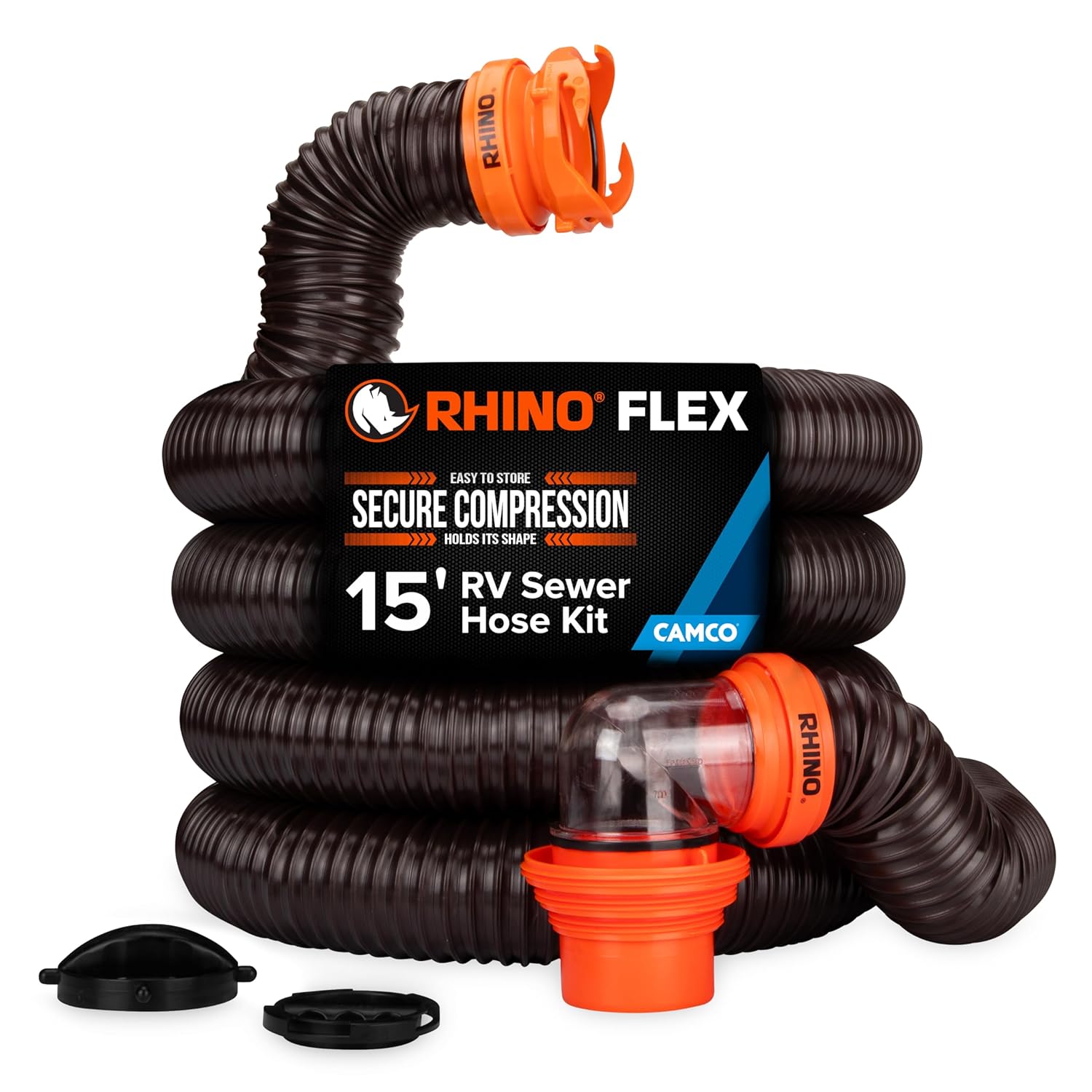
Camco Rhinoflex RV Sewer Hose – 15 ft
Premium 3 inch RV sewer hose with reinforced flexibility. The Camco Rhinoflex stands up to years of use without cracking or kinking. The extended 15 ft length reaches most dump stations without stress.
Tip: This is the industry standard for reliable RV sewer management on the road.
View on Amazon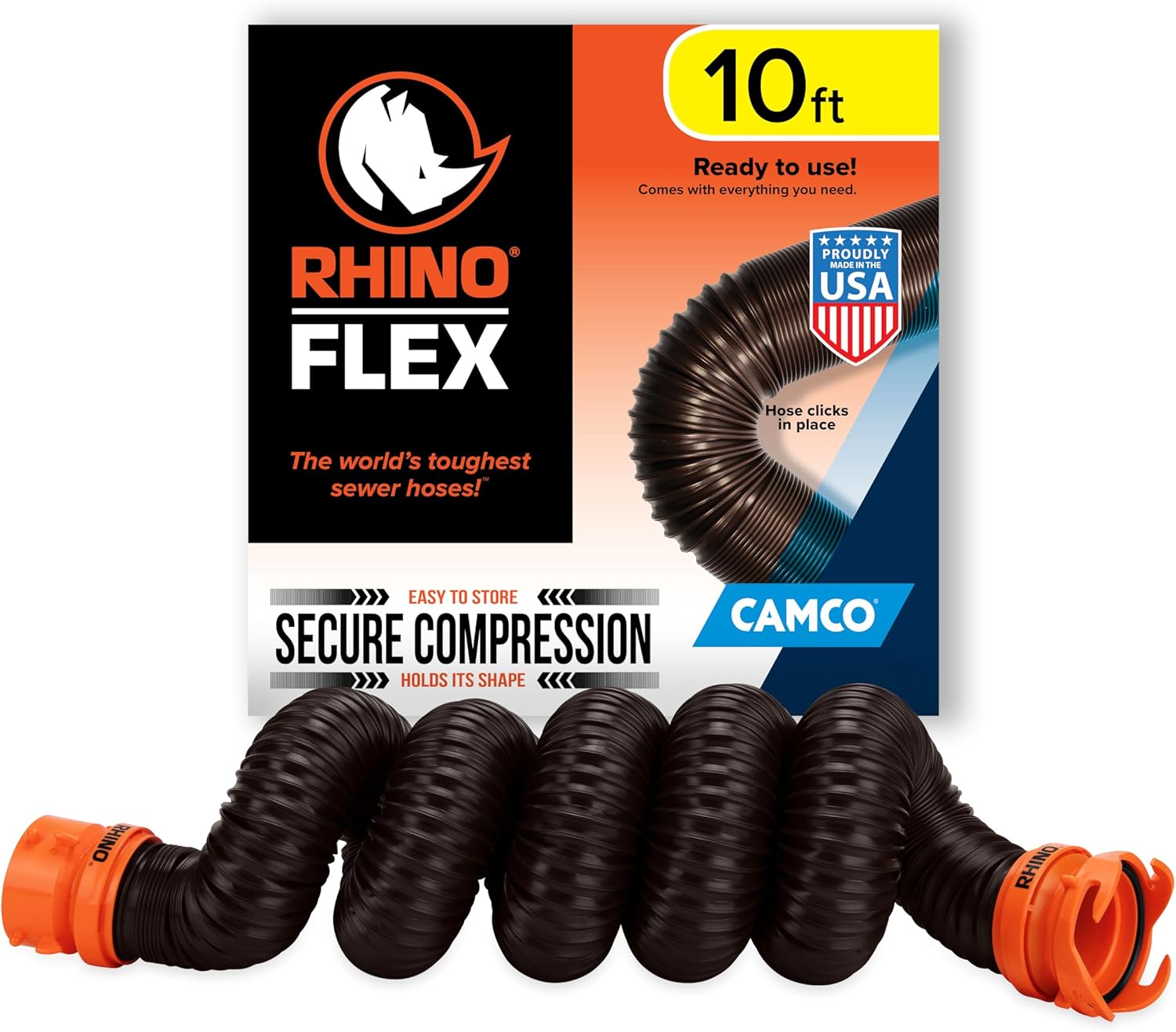
Extended RV Sewer Hose – 25 ft
Perfect for campgrounds with distant dump stations. This extended hose reaches without stressing connections or creating kinks.
Tip: Carry both 10 ft and 25 ft hoses for maximum campground compatibility.
View on Amazon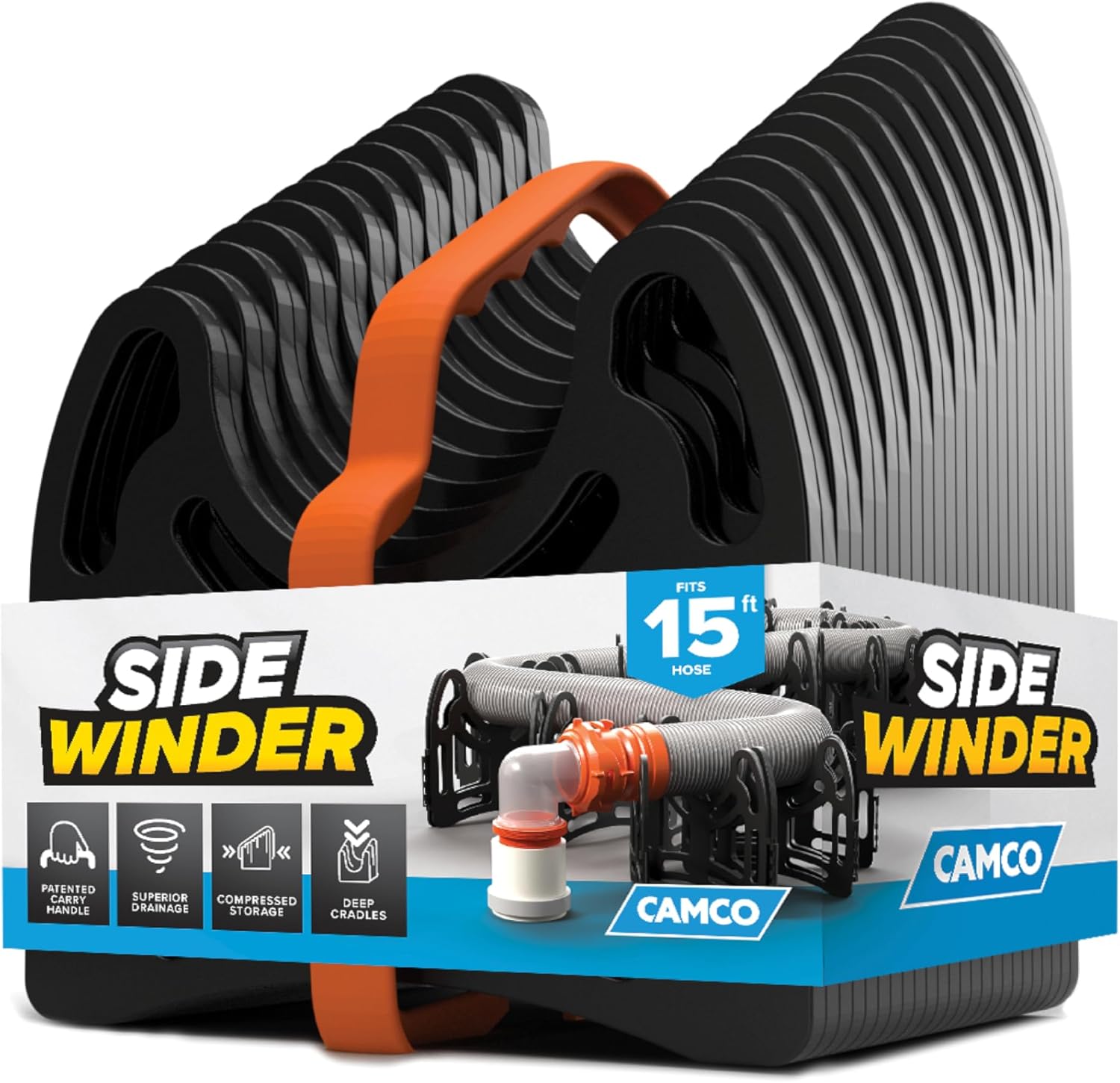
RV Sewer Hose Support Cradle
Prevents kinks and keeps your hose properly angled for optimal flow. Essential for efficient waste dumping and odor prevention.
Tip: A proper hose angle eliminates backup problems and extends hose life significantly.
View on AmazonBest Tank Treatment and Odor Control
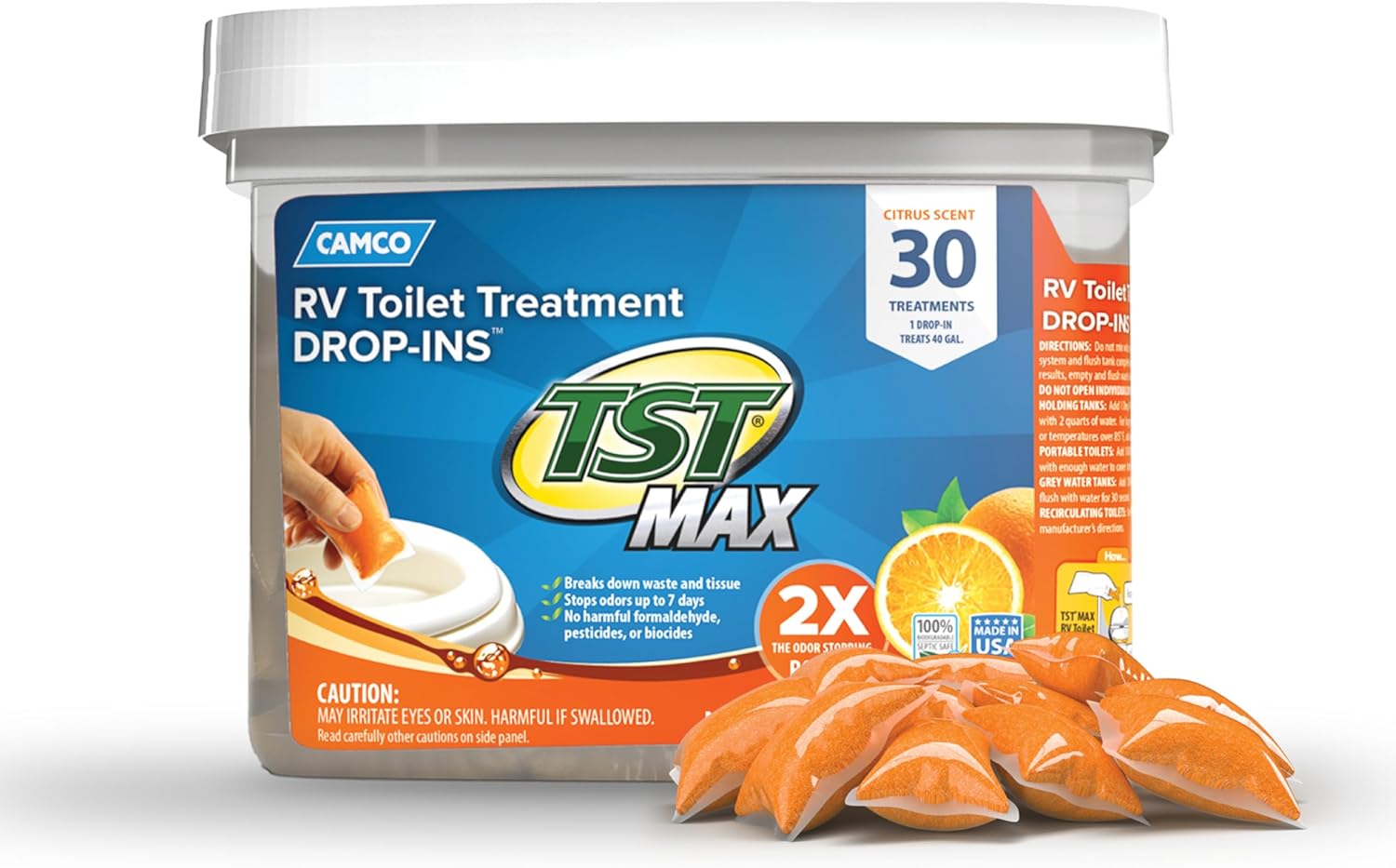
RV Tank Treatment Tablets
Powerful enzymatic formula breaks down waste naturally and controls odors. Works in both black and gray tanks for comprehensive treatment.
Tip: Add treatment after every dump for best RV sewer management results.
View on Amazon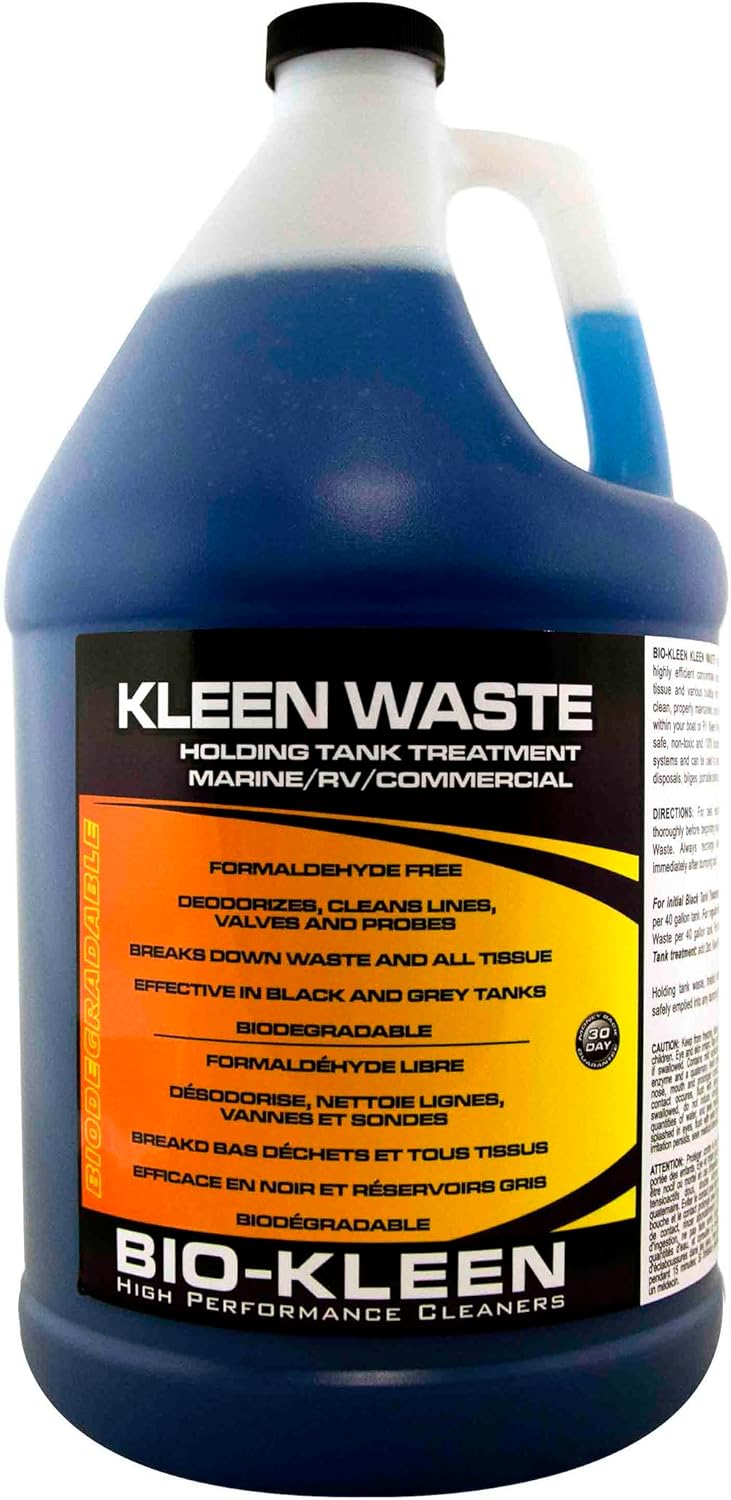
RV Holding Tank Deodorant
Liquid deodorant works fast to eliminate odors. Safe for all RV plumbing systems and doesn’t harm septic systems or the environment.
Tip: Use in combination with tank treatments for maximum odor prevention.
View on AmazonBest Portable Waste Tanks
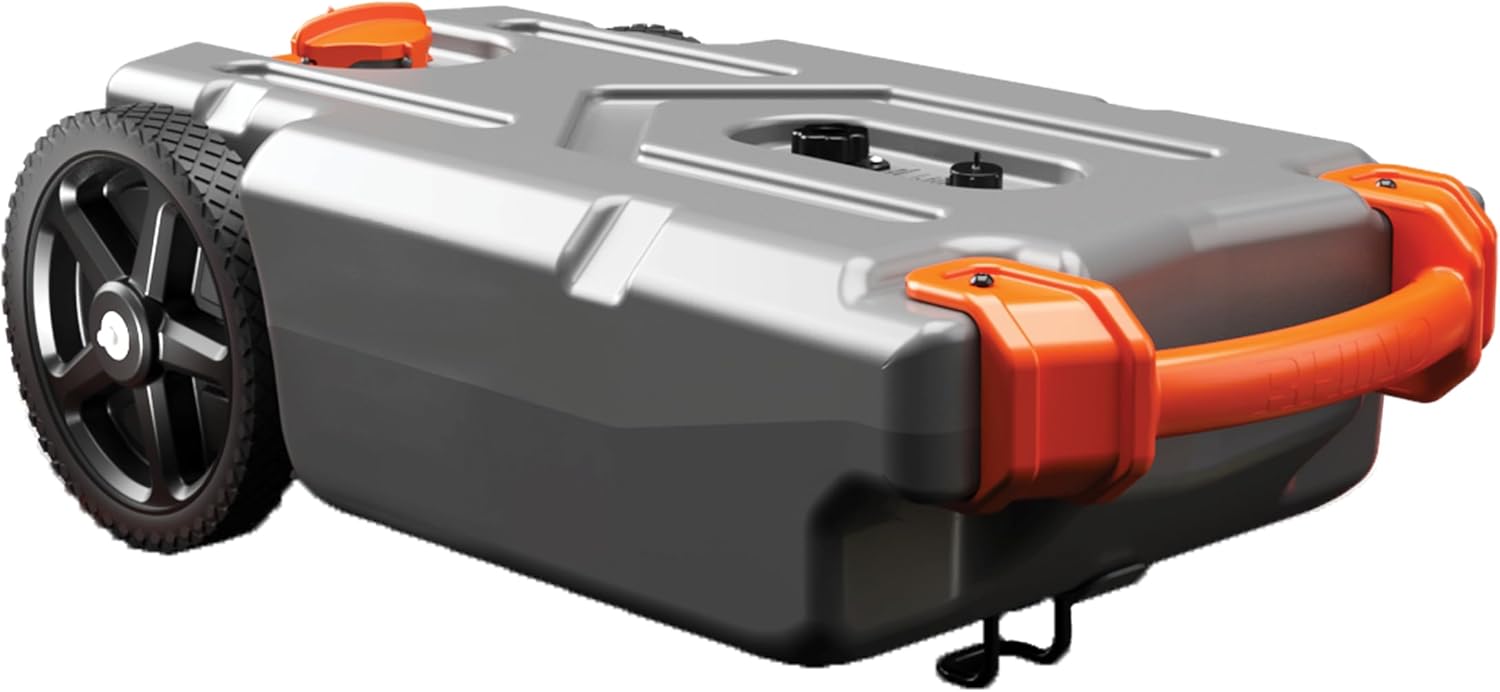
Camco Rhino Portable Waste Tank
Durable portable tank lets you dump waste without moving your RV. Perfect for campgrounds with distant or limited dump facilities. The Camco Rhino is built for years of reliable RV sewer management.
Tip: Keep a portable tank for emergencies or when full hookups aren’t available.
View on Amazon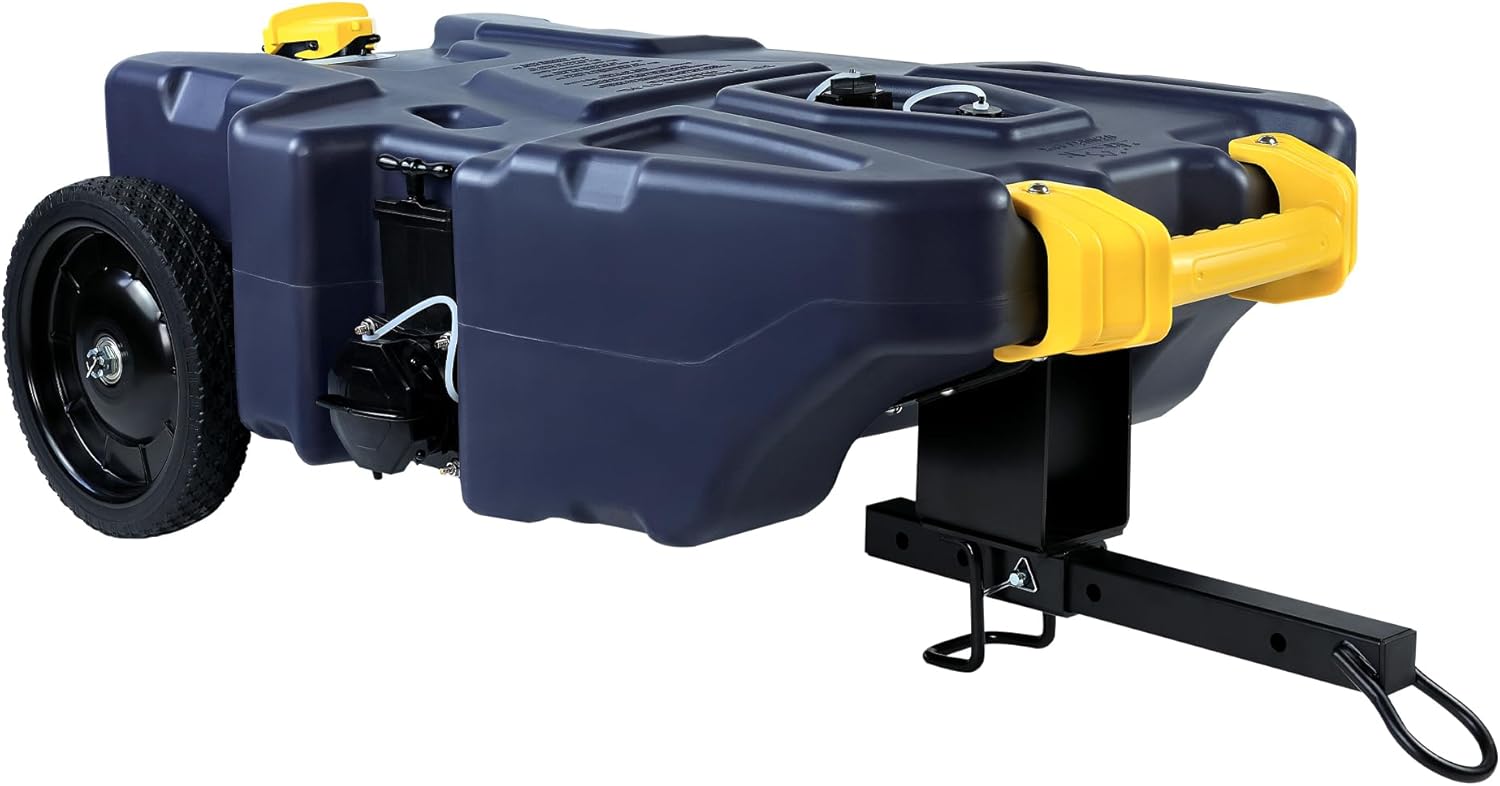
Portable Black Water Tank
Specifically designed for black water storage and disposal. Rugged construction handles the toughest demands of boondocking and dry camping.
Tip: Portable tanks extend your boondocking independence dramatically.
View on AmazonBest Connectors and Adapters
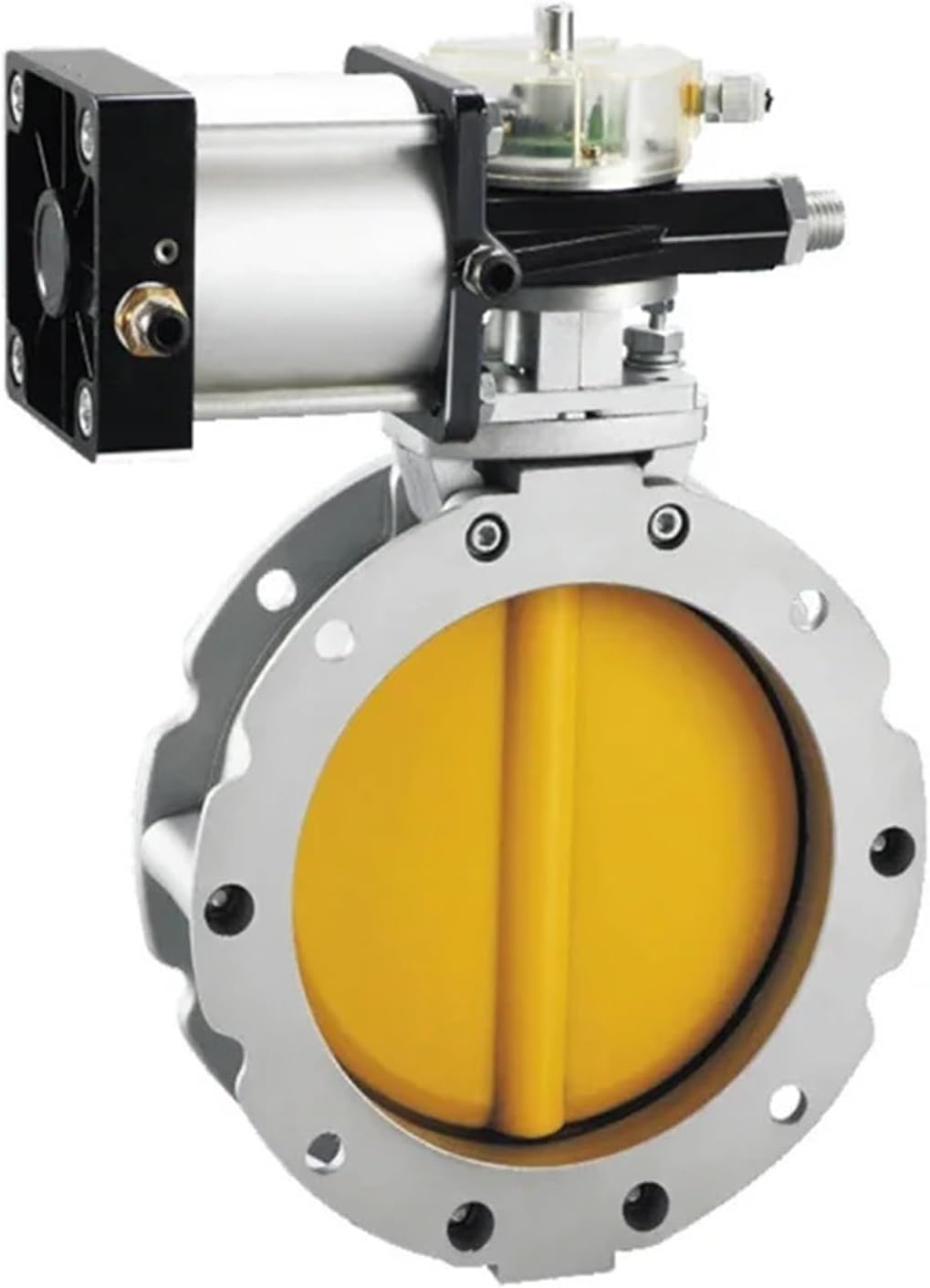
Double Flanged Butterfly Valve
Reliable butterfly valve double flange connection prevents leaks and spills. A must-have for safe RV sewer management at dump stations.
Tip: Quality connectors are the backbone of leak-free waste management.
View on Amazon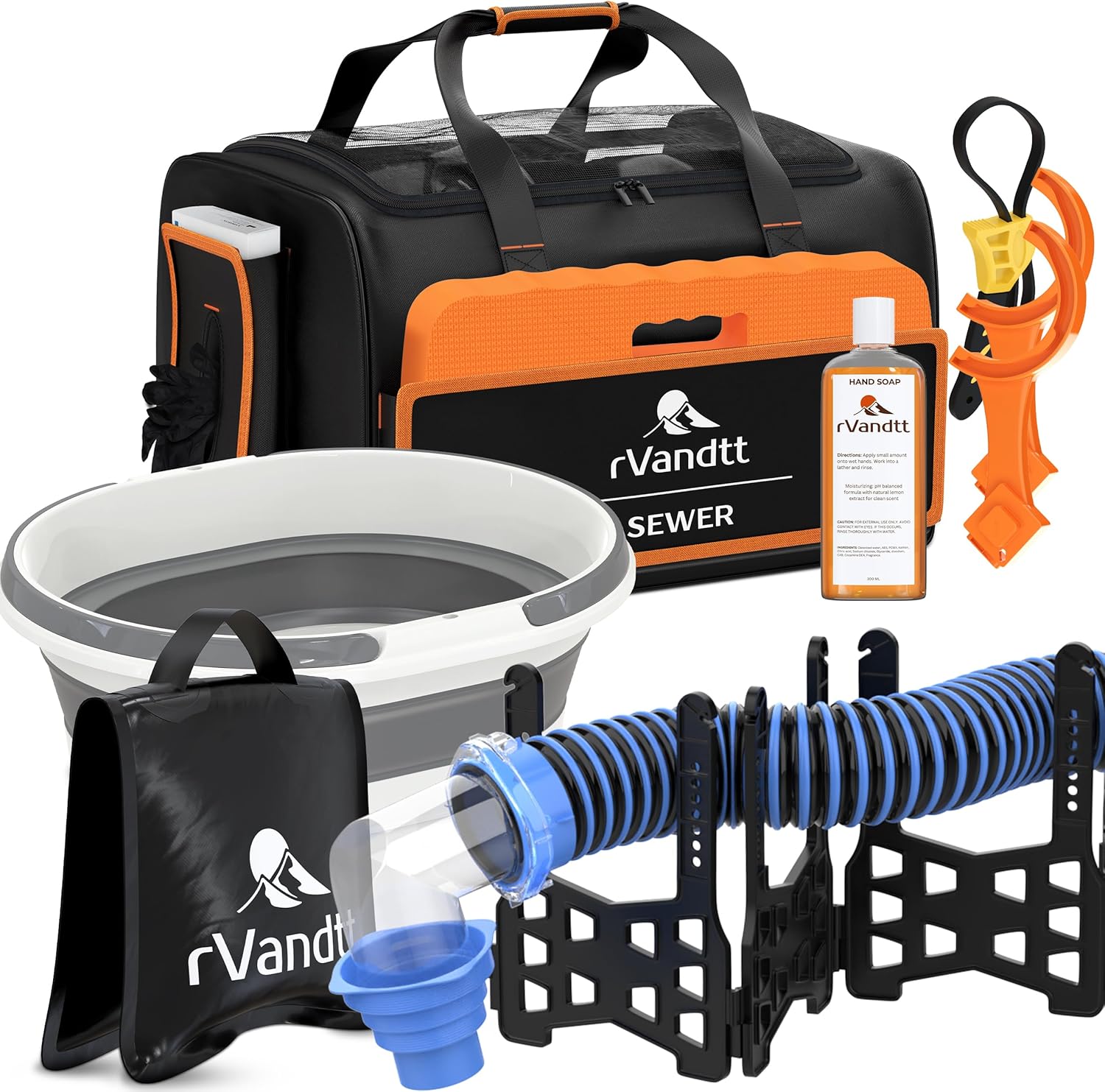
RV Sewer Hose Adapter Kit
Complete set of adapters and fittings connects your RV to any dump station. Covers most connection types to ensure you’re never stuck.
Tip: Carry adapter kits for peace of mind at unfamiliar campgrounds.
View on AmazonRV Water System Management
Good RV sewer management includes caring for your potable water system. Here are essential products for potable water for RV use:
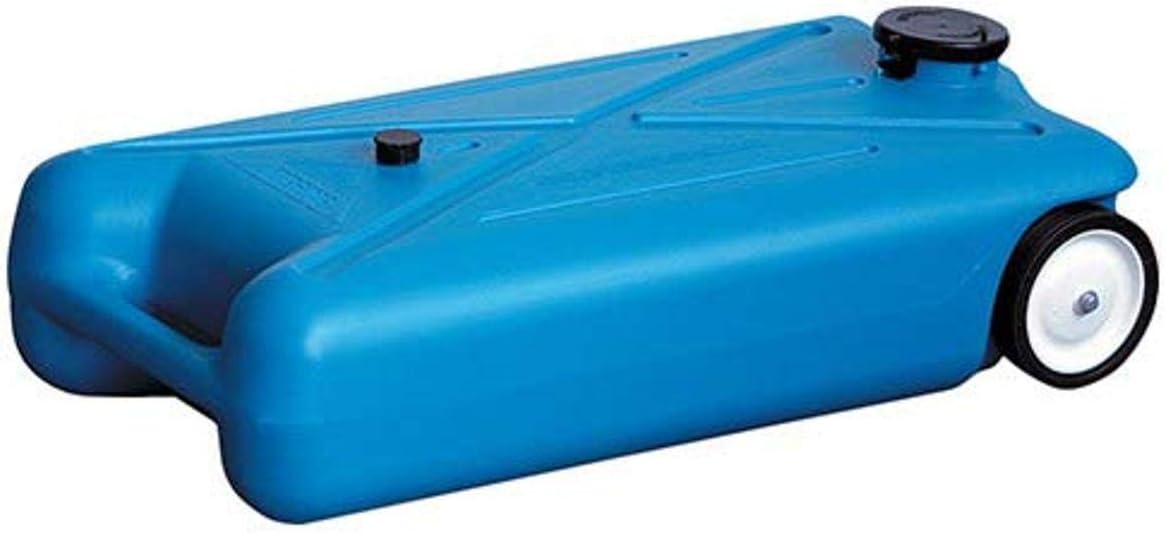
Portable Potable Water Tank – 10 Gal
Easy-fill 10 gal RV water tank for refilling at spigots. Perfect for boondocking or when your main tank runs low. Food-grade plastic ensures safe potable water for RV drinking and cooking.
Tip: Portable water tanks extend your independence and simplify water management.
View on Amazon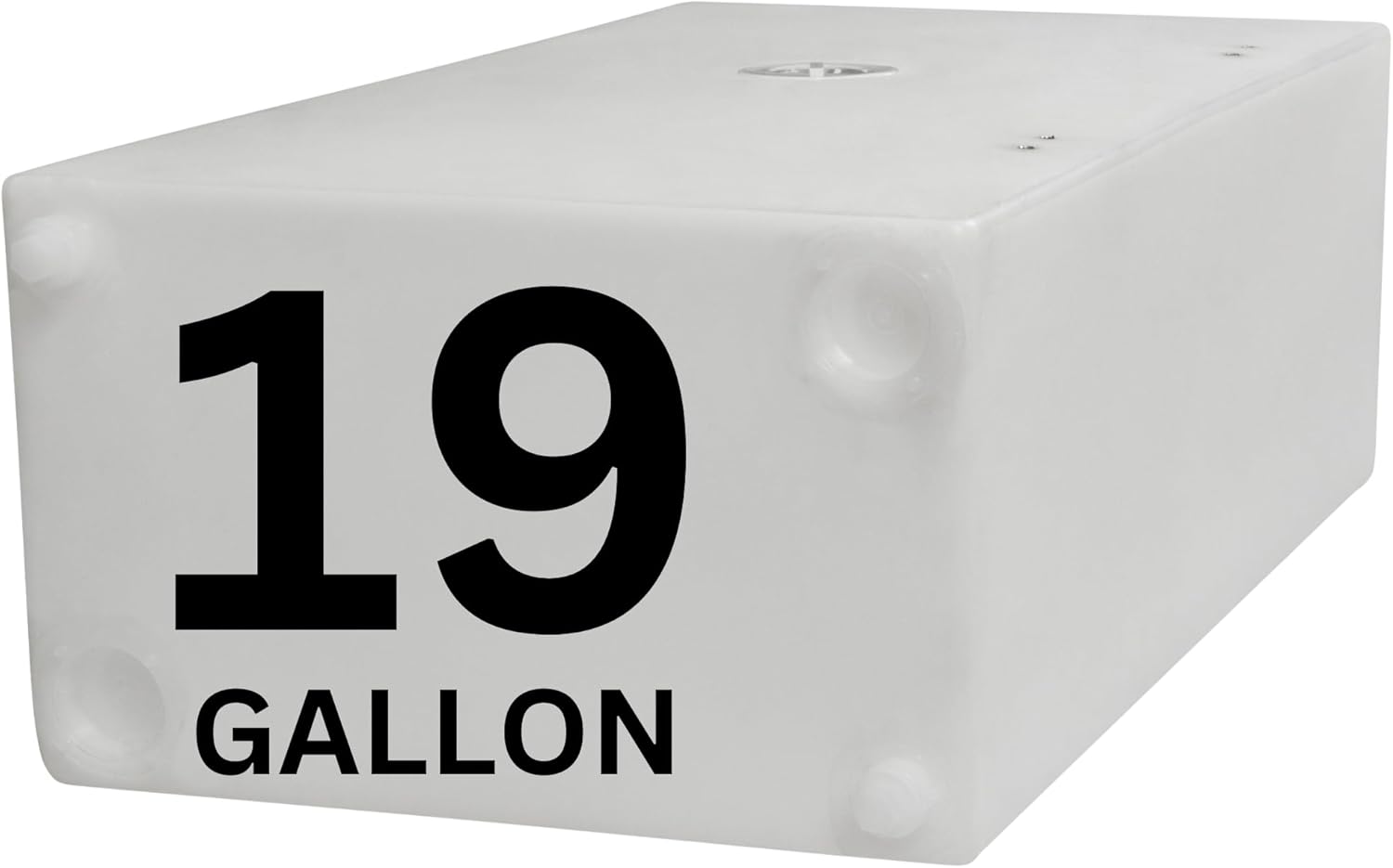
RV Fresh Water Tank Replacement
If your original tank leaks or deteriorates, an RV water tank replacement restores your full water capacity. Choose the right size to match your RV’s original specifications.
Tip: Periodic tank draining and bleaching keeps your potable water fresh and safe.
View on Amazon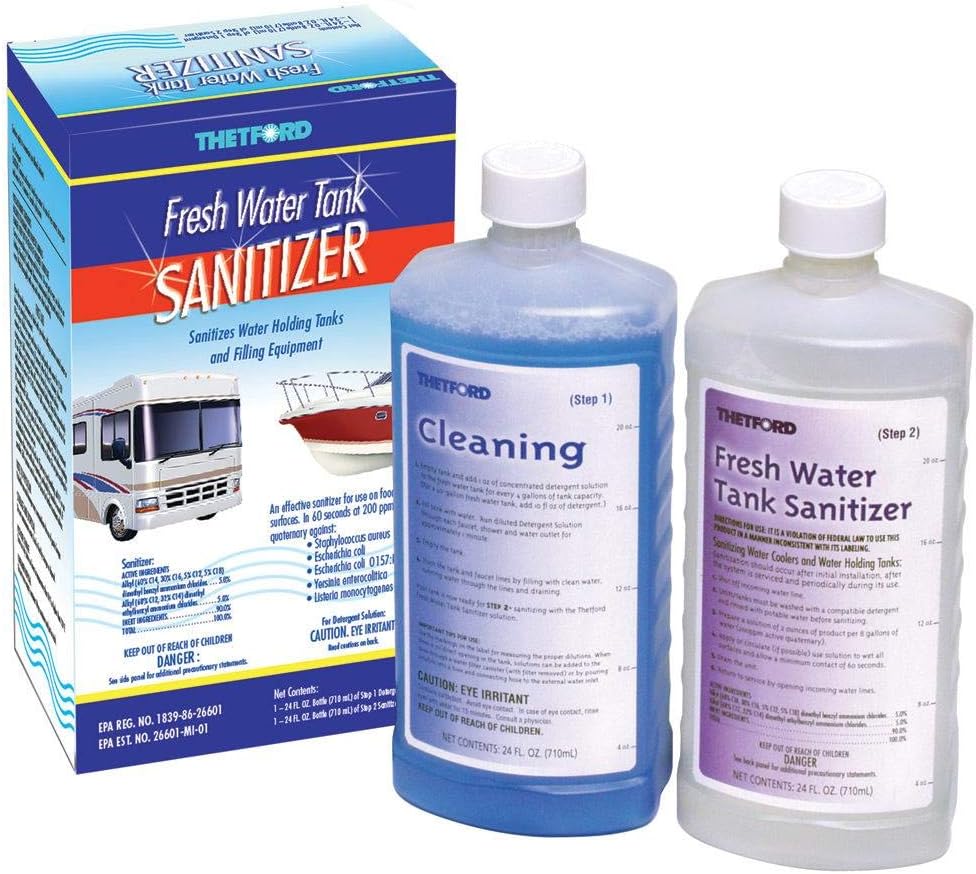
RV Water Tank Sanitizer Kit
Bleaching RV water tank prevents algae and bacterial growth. This kit guides you through bleaching camper water tank properly. Bleaching RV water tank annually keeps your potable water safe and fresh.
Tip: Regular sanitizing protects your health and extends tank lifespan.
View on AmazonTroubleshooting RV Sewer Management Problems
Constant Odors
Problem: Your RV smells no matter how often you dump and treat tanks.
Solutions:
- Check that tank vents aren’t blocked. Clear debris or ice from the vent pipe.
- Add tank treatment more frequently-after every dump, not just once weekly.
- Ensure your black tank valve is completely closed between dumps. Even slightly open allows gases to escape.
- Inspect the toilet seal and vent stack for cracks or leaks.
- Flush black tank at every dump station if available.
Slow Draining Tanks
Problem: Your gray water drains slowly, or black tank won’t empty properly during dumping.
Solutions:
- Use enzyme-based tank treatments to break down buildup.
- Flush tanks thoroughly at dump stations.
- Never leave tank valves open at campgrounds-this is how buildup starts.
- Check for kinks in your sewer hose that restrict flow.
- Avoid using excessive toilet paper. Use RV-specific toilet paper that dissolves easily.
- Consider a tank flush system to agitate and break loose blockages.
Hose Leaks or Cracks
Problem: Your sewer hose is leaking during dumping.
Solutions:
- Inspect the entire hose for visible cracks. Even small cracks get worse over time.
- Check hose connections are tight. Hand-tighten, then use a wrench for a full quarter-turn.
- Replace the hose if cracks are found. Patching is temporary and risky.
- Use proper hose support to prevent stress on connections.
- Store hose coiled loosely in shade. Tight coils and UV exposure weaken walls.
RV Sewer Management FAQs
General RV Waste Questions
Dump your black tank when it’s 2/3 full, not when it’s completely full. This gives solid matter room to move and prevents clogs. Gray tanks can generally wait until they’re nearly full. In summer heat or with multiple occupants, you might dump every 3-5 days. In cooler weather with minimal use, weekly or biweekly dumping might suffice. Always dump before leaving a campground to start fresh.
Absolutely not. This is the golden rule of RV sewer management. Leaving gray tank open causes heavy solids to settle and block the outlet pipe. Some campgrounds technically allow this, but it creates problems. Always keep the valve closed except when actively dumping. The same rule applies to black tanks-never leave it open.
No. Household cleaners can damage your tank, plumbing, and septic systems at campgrounds. Use only RV-approved products. Same applies to toilet paper-only RV-specific, septic-safe toilet paper that dissolves easily. Household toilet paper creates blockages that are expensive to repair.
The 3 inch RV sewer hose is the standard for most RVs and dump stations. A 4 inch hose is slightly larger but less common and may not connect to your RV outlet or dump stations. Stick with 3 inch unless your RV specifically came with a 4 inch system. The Camco Rhinoflex comes in 3 inch and is the industry standard.
Water System Questions
Bleaching RV water tank annually prevents bacterial growth and algae. This keeps your potable water fresh and safe for drinking and cooking. Many RVers use a simple solution of unscented household bleach to sanitize. Draining RV fresh water tank during off-season storage also prevents stagnation. The process is simple: fill tank, add bleach, let sit, drain thoroughly, and refill with fresh water.
Signs your RV water tank replacement is needed include persistent leaks, cracks visible from outside, discolored water, or foul water odor that won’t go away even after sanitizing. A 10 gal RV water tank or larger replacement tank restores full capacity. If your RV’s original potable water is compromised, replacement is often the best long-term solution.
Final Tips for Stress-Free RV Sewer & Waste Management
Your RV Sewer Management Checklist
Keep this simple checklist handy for confident waste management:
- ✓ Inspect hose and connections before leaving each campground
- ✓ Dump black tank before gray tank-always
- ✓ Add tank treatment after every dump
- ✓ Use only RV-approved toilet paper and products
- ✓ Keep tank vents clear of debris
- ✓ Store hose loosely in shade when not in use
- ✓ Flush tanks at every dump station when possible
- ✓ Sanitize water tank annually or before long storage
- ✓ Wear gloves and wash hands after dumping
- ✓ Never dump on the ground-always use official dump stations
Follow these practices and you’ll avoid 99% of RV sewer management problems. Good habits now save thousands in repairs and frustration later.
Remember: Proper RV sewer management isn’t complicated-it’s about following proven practices consistently. With quality tools like the Camco Rhinoflex hose, regular tank treatments, and attention to these guidelines, you’ll keep your RV clean, odor-free, and running perfectly for years to come. Happy travels!
Explore More RV Guides
Check out our comprehensive guides to RV accessories for comfort and convenience, RV electrical power solutions, RV bedding comfort, and more. Explore all our RV guides to discover products and techniques that enhance your travel lifestyle.
Disclosure and Transparency
Affiliate Links: This guide contains affiliate links to recommended products. When you purchase through these links, we may earn a small commission at no additional cost to you. This helps support our content creation and allows us to provide valuable RV information at no cost to our readers.
Our Commitment: We only recommend products we genuinely believe will improve your RV sewer management and overall travel experience. Our product selections are based on quality, functionality, and value-not commission potential. We appreciate your support!