
RV Electrical & Power Solutions for Reliable RV Life
Keep your RV powered safely and efficiently with the right electrical solutions
RV Electrical & Power Solutions: A Complete Guide
Why Reliable Power Matters
RV Electrical & Power Solutions are essential for keeping your RV powered safely and efficiently while on the road. From surge protectors and generators to solar setups, this guide simplifies RV electrical systems and helps you choose the right RV Electrical & Power Solutions for your needs. Whether you’re boondocking with solar panels or using generators, understanding your power options gives you confidence and control.
What You’ll Learn in This Guide
This comprehensive guide covers everything from protecting your electronics with surge protectors to generating your own power with generators and solar panels. You’ll explore Renogy RV solar panels and other premium options, and learn how to manage power efficiently, maximize battery life, and ensure all your appliances run safely on the road.
Why RV Electrical & Power Matters
Safe and reliable electrical power is the foundation of modern RV living. Implementing proper RV Electrical & Power Solutions ensures your appliances run safely and extends the lifespan of your equipment. Here’s why it matters:
- Power management ensures all appliances run safely: Proper voltage regulation prevents damage to sensitive electronics and appliances.
- Prevents damage from voltage fluctuations or surges: Power spikes from campground connections can destroy expensive equipment without protection.
- Maximizes battery life for off-grid or extended stays: Smart power management extends your independence and lets you stay longer between charges.
- Supports comfort and convenience on the road: Reliable power means reliable air conditioning, refrigeration, heating, and entertainment systems.
Surge Protectors
What They Do
Surge protectors are the first line of defense in any RV Electrical & Power Solutions setup. They safeguard your RV’s electrical system from dangerous power spikes and voltage fluctuations common at campgrounds. They monitor incoming shore power and shut down the connection if voltage exceeds safe levels, preventing costly damage to your appliances and systems.
Types of Surge Protection
Portable surge protectors plug directly into the campground pedestal and provide basic protection for a single connection. Hardwired surge protectors install permanently in your RV’s electrical panel for comprehensive protection of your entire system. Portable options suit occasional travelers, while built-in systems benefit full-time RVers or those in harsh electrical environments.
Choosing the Right Surge Protector
Select a surge protector rated for your RV’s amperage-typically 30 or 50 amps. Look for models with LED indicators showing proper voltage, and choose one that shuts off when voltage is unsafe. Weather-resistant housing is essential since your protector lives outdoors, and a 50,000-amp joule rating provides adequate protection for most RV systems.
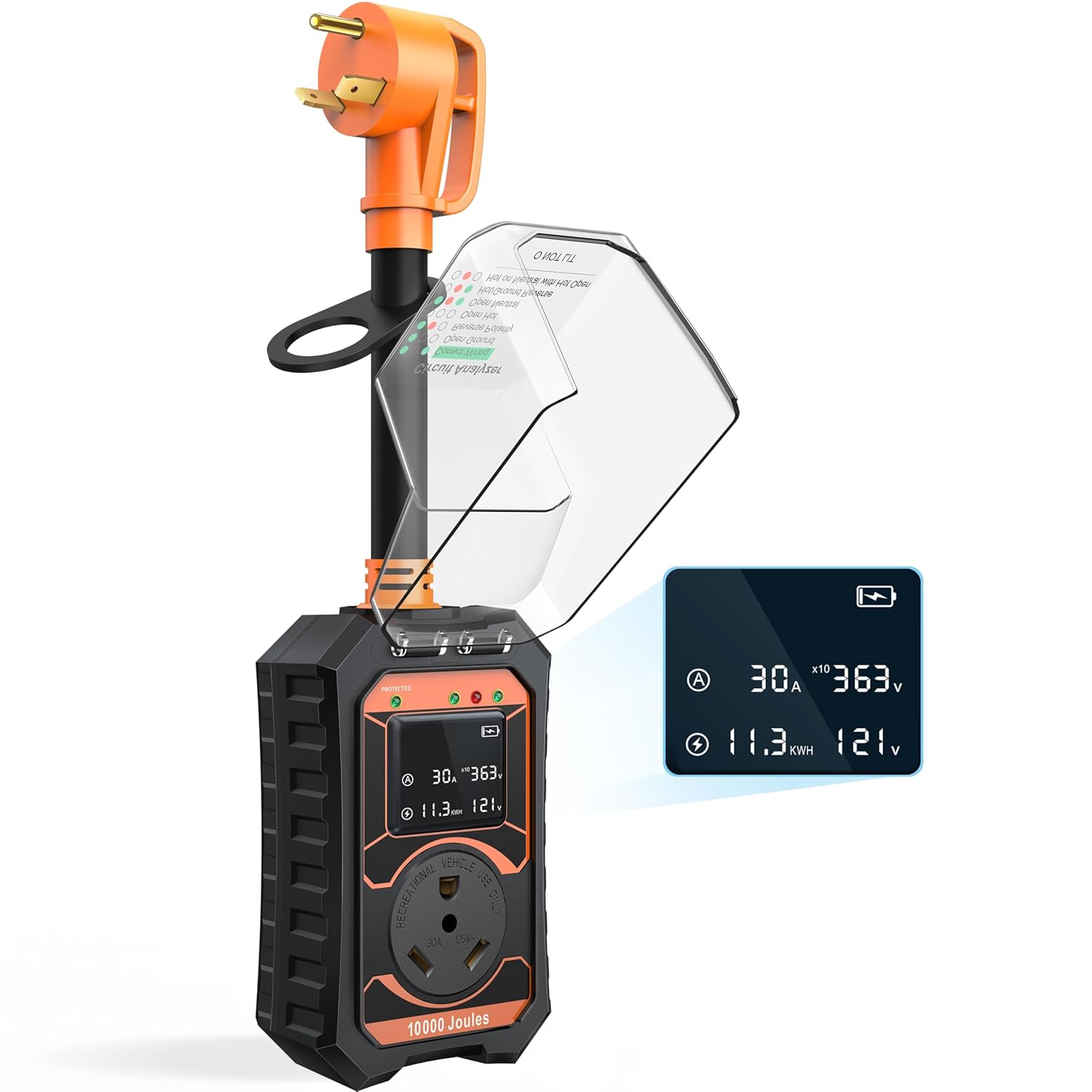
Portable RV Surge Protector (30 Amp)
Plug directly into campground pedestals for instant protection. LED indicators show voltage status and alert you to unsafe connections.
Protection Tip: Always verify proper voltage before plugging in, even with a surge protector installed.
View on Amazon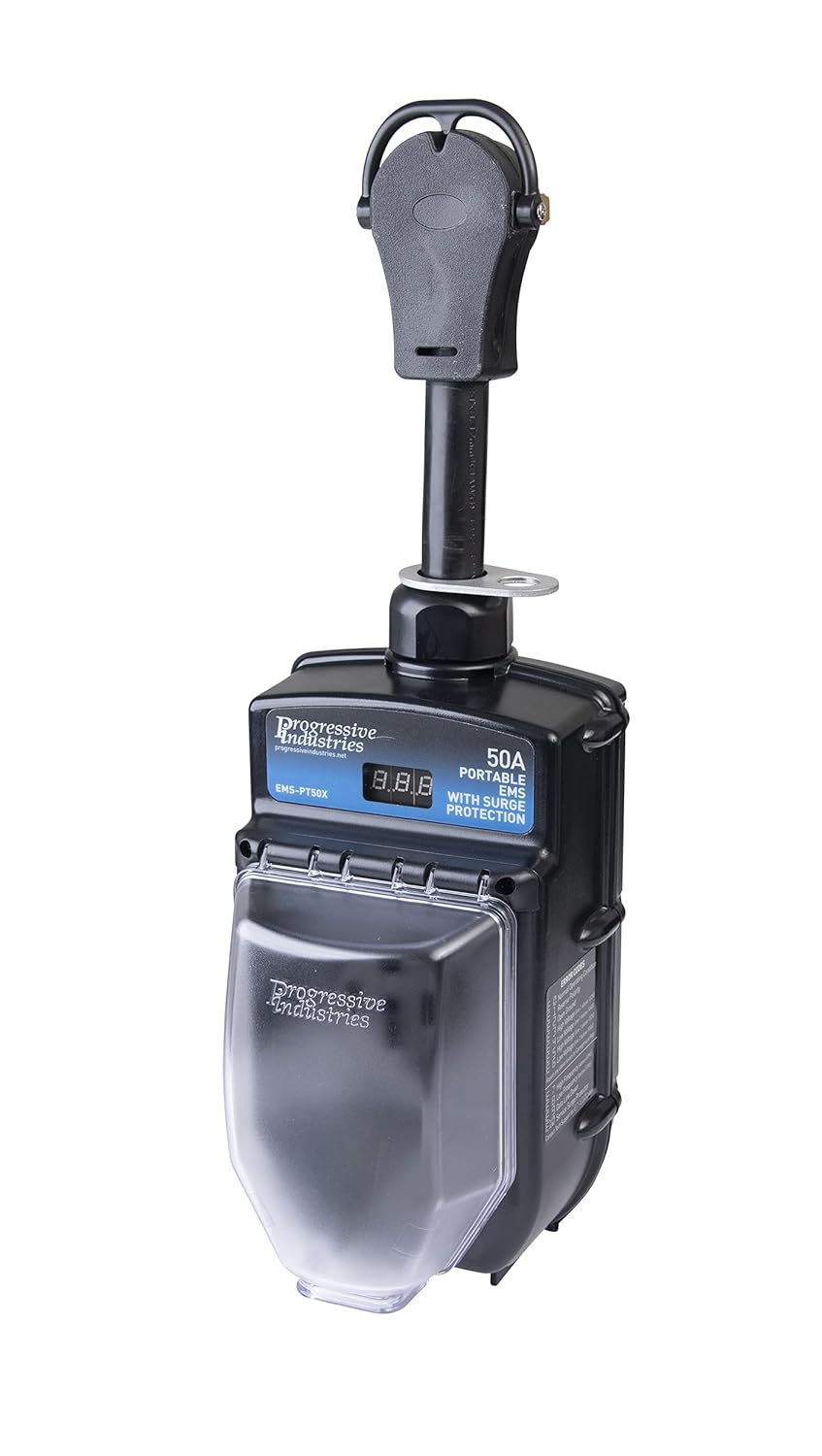
Portable RV Surge Protector (50 Amp)
Heavy-duty protection for 50-amp RV connections at larger campgrounds. Advanced circuitry detects and corrects wiring faults.
Protection Tip: 50-amp protectors are investment-worthy for full-time RVers or frequent campers.
View on AmazonGenerators
Generators are a critical component of comprehensive RV Electrical & Power Solutions for travelers who need reliable power when shore power isn’t available. Whether you choose portable or built-in models, generators provide independence and peace of mind for boondocking adventures.
Fuel Options
A portable generator for RV comes in several fuel options. Gasoline generators are affordable and widely available but require frequent refueling and regular maintenance. Propane generators offer longer runtime from available tanks and cleaner operation, making them ideal for boondocking. Diesel generators provide excellent efficiency for extended use and align with many RVs already using diesel engines.
Portable vs. Built-in Generators
Portable generators offer flexibility for occasional use and don’t take up valuable RV space, making them perfect for travel trailers or those wanting power without permanent installation. An RV battery generator system provides seamless operation by charging batteries during the day through solar or engine alternator, providing silent power at night. Built-in generators provide seamless operation and higher continuous power output for motorhomes, eliminating the need for external cords and setup.
Maintenance Tips
Run your generator monthly under load to prevent fuel line gum-up and keep the carburetor clean. Change oil regularly according to manufacturer specs, store with stabilized fuel during off-season, and keep the air filter clean for optimal performance. Regular maintenance extends equipment lifespan and ensures reliability when you need it most.

Portable Inverter Generator for RV
Lightweight and quiet inverter technology safely powers sensitive electronics. Compact design fits easily in RV storage compartments.
Generator Tip: Inverter models are ideal if you have laptops, phones, or other electronics that need clean power.
View on Amazon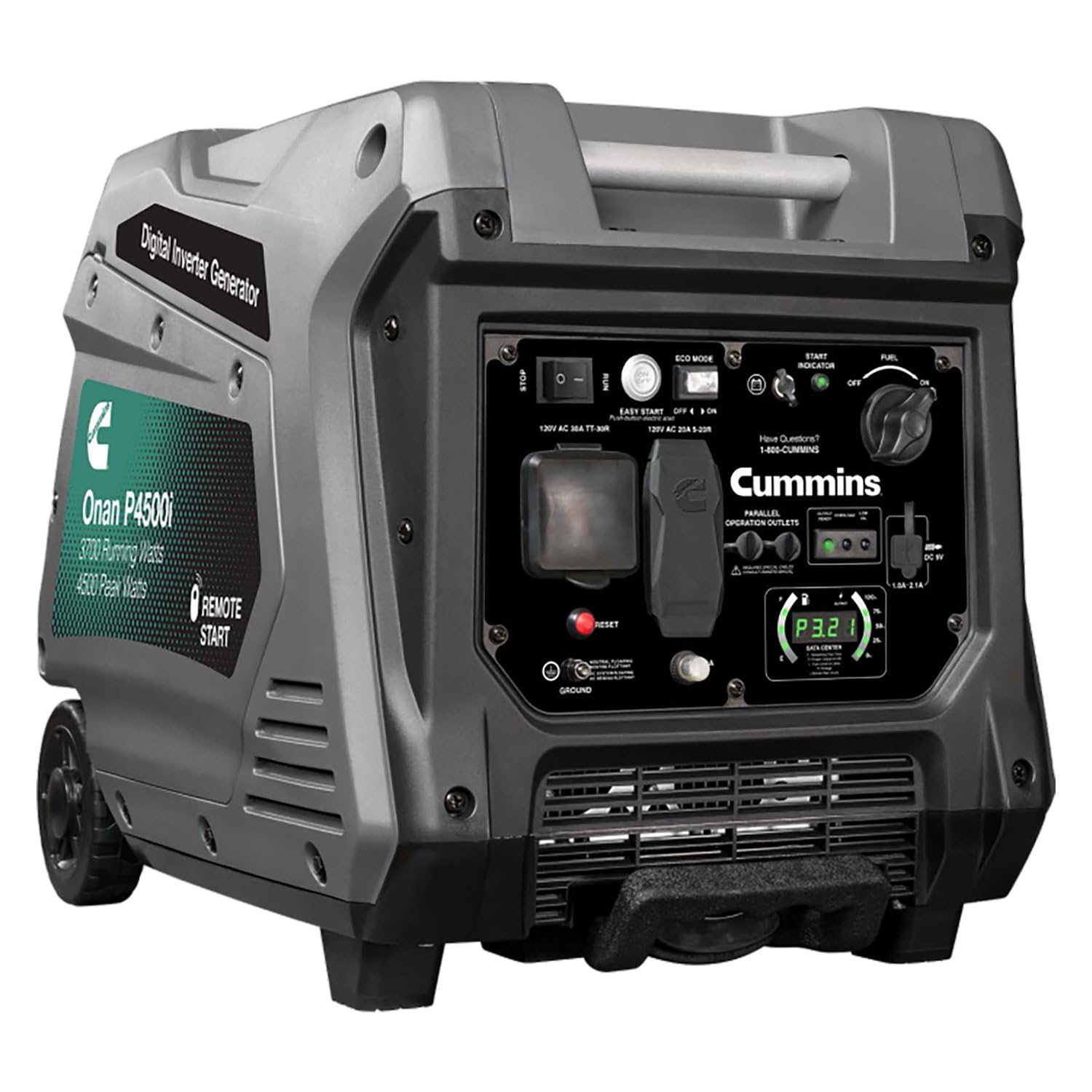
Onan Microlite 4000 & Microlite 2800 Portable Generator
The Onan Microlite 4000 delivers 4000 watts of quiet, reliable power for larger RVs. Step down to the Onan Microlite 2800 for travel trailers. Both models function as portable inverter generators for RV with clean power output.
Generator Tip: Onan Microlite 4000 handles AC units while smaller units prefer the 2800 model.
View on AmazonSolar Power Options
Rooftop Panels
Rooftop solar panels offer maximum exposure to sunlight and save valuable space inside your RV. Modern monocrystalline solar panels for RV are lightweight, efficient, and generate power even on cloudy days. These monocrystalline solar panels deliver maximum power output compared to polycrystalline alternatives, making them the preferred choice for serious boondockers.
Portable Solar Kits
Portable solar panels fold compactly for transport and position for optimal sun angle wherever you park. They’re perfect for renters or those wanting to upgrade later, and you can add panels gradually as budget allows. Carry them inside when you move, protecting them from weather and theft.
Battery and Charge Controllers
Quality lithium or AGM batteries store the power your panels generate, letting you use electricity after sunset. Smart charge controllers regulate power from panels to batteries, maximizing efficiency and extending battery lifespan. Proper sizing ensures your battery bank matches your daily power needs.
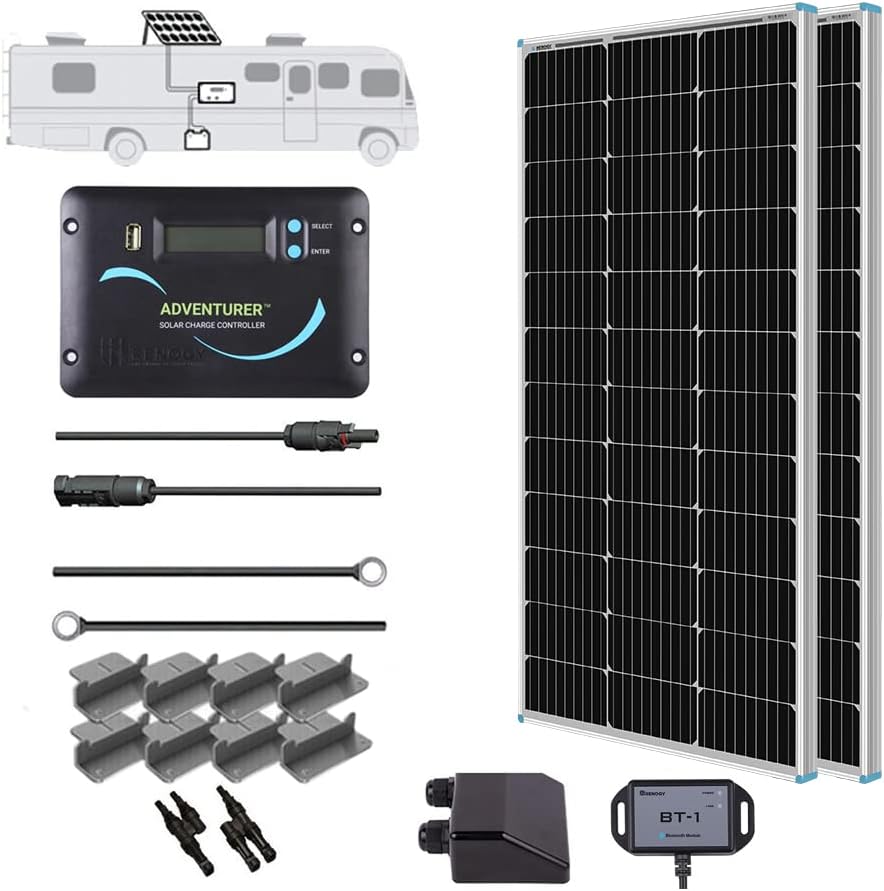
Rooftop Solar Panel Kit – Complete Rooftop System
Monocrystalline panels deliver maximum power even on partly cloudy days. Compact installation takes minimal roof space.
Solar Tip: Roof-mounted panels work continuously without positioning, perfect for stationary or frequent-move travel styles.
View on Amazon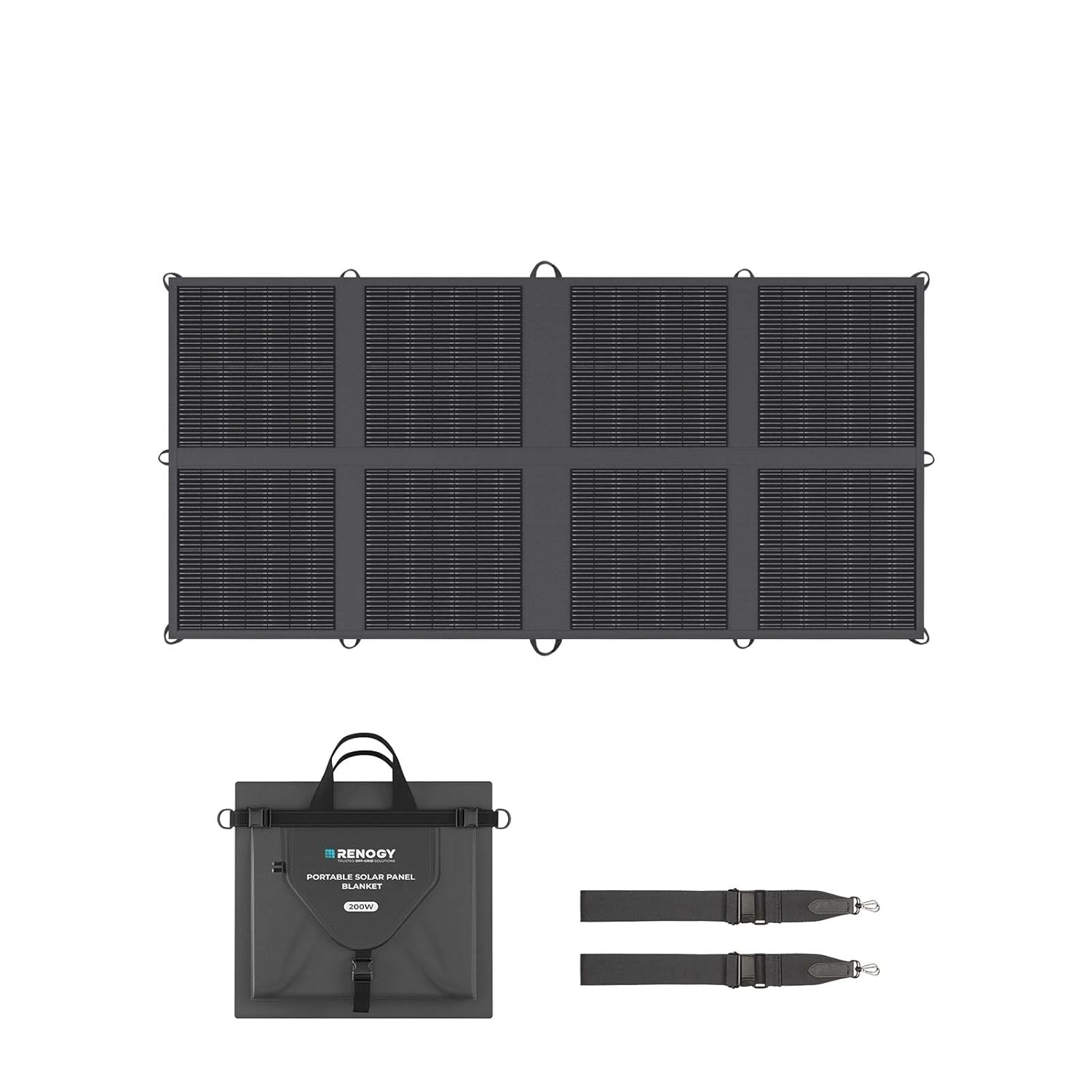
Portable Solar Panel Kit
Folds flat for easy storage and reposition for optimal sun angle. Ideal for renters or those testing solar before permanent installation.
Solar Tip: Angle panels toward the sun for maximum efficiency throughout the day.
View on Amazon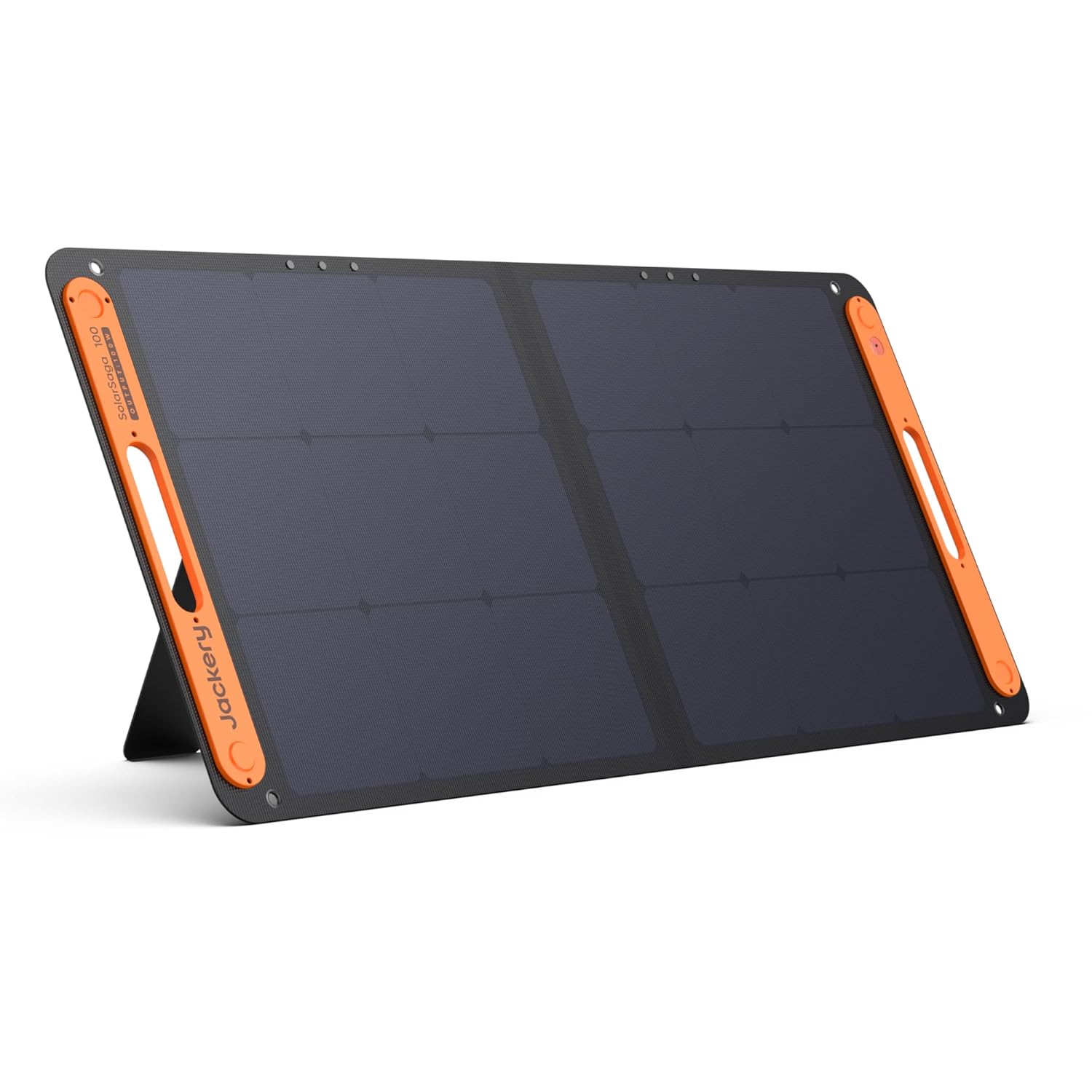
Jackery SolarSaga 100W Portable Solar Panel
Jackery’s portable solar panel folds compactly for easy transport. Monocrystalline technology maximizes power in compact form.
Solar Tip: Jackery SolarSaga 100W panels pair perfectly with compact power stations for complete portable system.
View on AmazonPower Management Tips
Beyond choosing the right RV Electrical & Power Solutions products, how you use your power system dramatically impacts your RV experience. Smart power management extends battery life, reduces generator runtime, and maximizes your independence on the road.
Effective RV Electrical & Power Solutions go beyond just having the right equipment—they require smart management practices. The following tips will help you maximize your power efficiency and extend your boondocking independence.
Smart RV Power Use
Prioritize high-drain appliances like air conditioning, water heaters, and refrigeration. Run these during daylight hours or when your generator is operating. Use LED lighting throughout your RV to minimize draw, and unplug devices when not in use to prevent phantom drain.
Monitoring Energy Consumption
Battery monitors show real-time power usage and remaining capacity, helping you understand what drains power fastest. Track your patterns over several days to identify where you can reduce consumption. This knowledge helps you set realistic expectations for off-grid living.
Safe Wiring Practices
Have a qualified RV technician inspect your electrical system annually, checking for corrosion and loose connections. Never extend or modify factory wiring without proper expertise, and use appropriately-sized breakers and fuses throughout. Proper grounding prevents shocks and protects your equipment from damage.
RV Electrical Power Hacks
Extend battery life by running high-draw appliances sequentially rather than simultaneously-don’t run AC and the water heater at the same time. Keep your battery bank warm in winter since cold reduces capacity significantly. Install trickle chargers at home before trips to ensure batteries start fully charged. These small habits compound into longer boondocking days and fewer generator hours.
Best RV Electrical & Power Products
Surge Protection
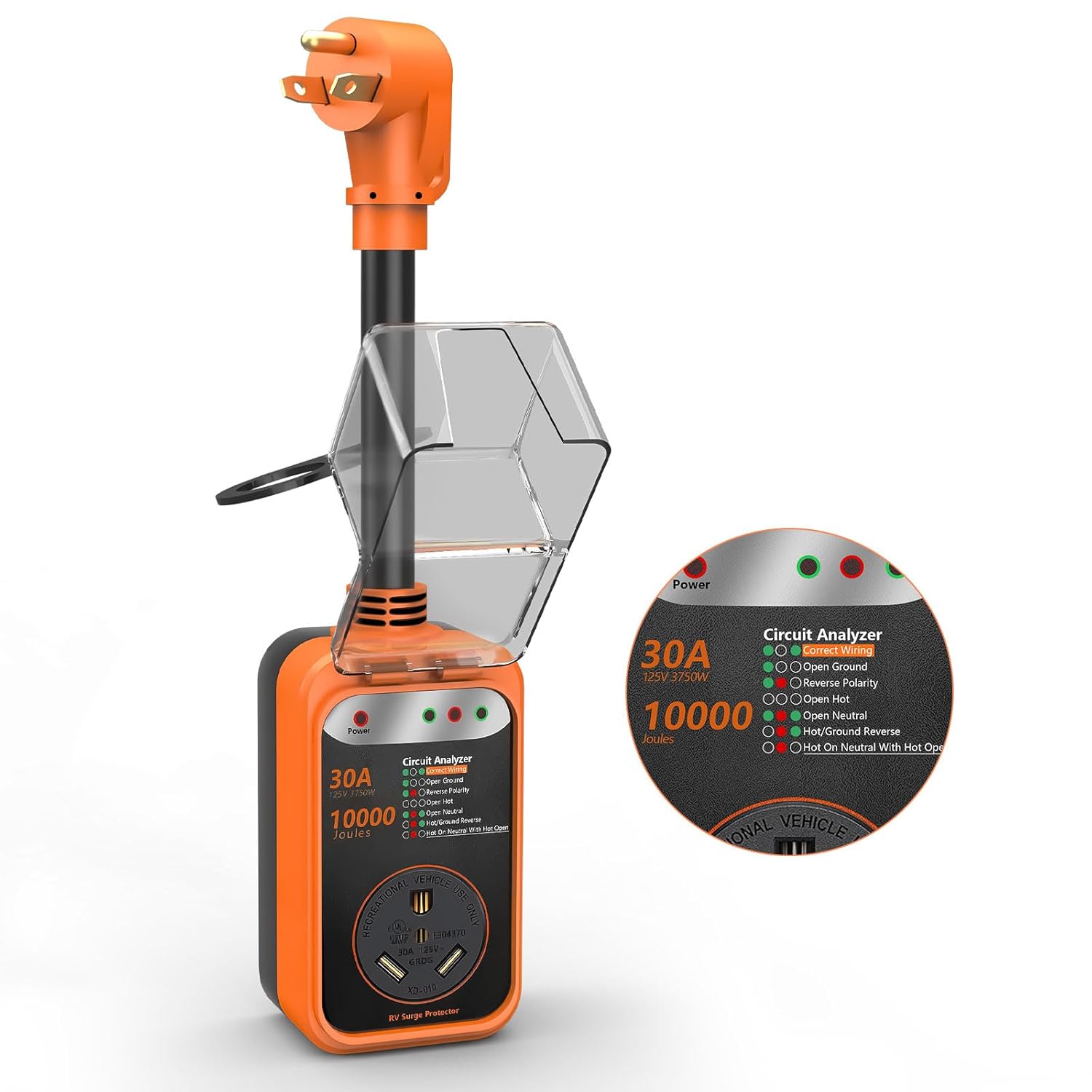
30 Amp Surge Protector
Weatherproof design withstands campground conditions. Multiple outlets protect multiple devices simultaneously.
Tip: Keep spare surge protector in your RV for extended trips or backup protection.
View on Amazon50 Amp Surge Protector
Heavy-duty protection for full-size motorhomes and larger RVs. Advanced diagnostics identify wiring issues at campgrounds.
Tip: 50-amp protectors are essential investments for expensive RVs and full-time travel.
View on AmazonGenerators
Onan Microlite 4000 & Microlite 2800 Portable Generator
The Onan Microlite 4000 delivers 4000 watts of quiet, reliable power for larger RVs. Step down to the Onan Microlite 2800 for travel trailers. Both models function as portable inverter generators for RV with clean power output.
Generator Tip: Onan Microlite 4000 handles AC units while smaller units prefer the 2800 model.
View on Amazon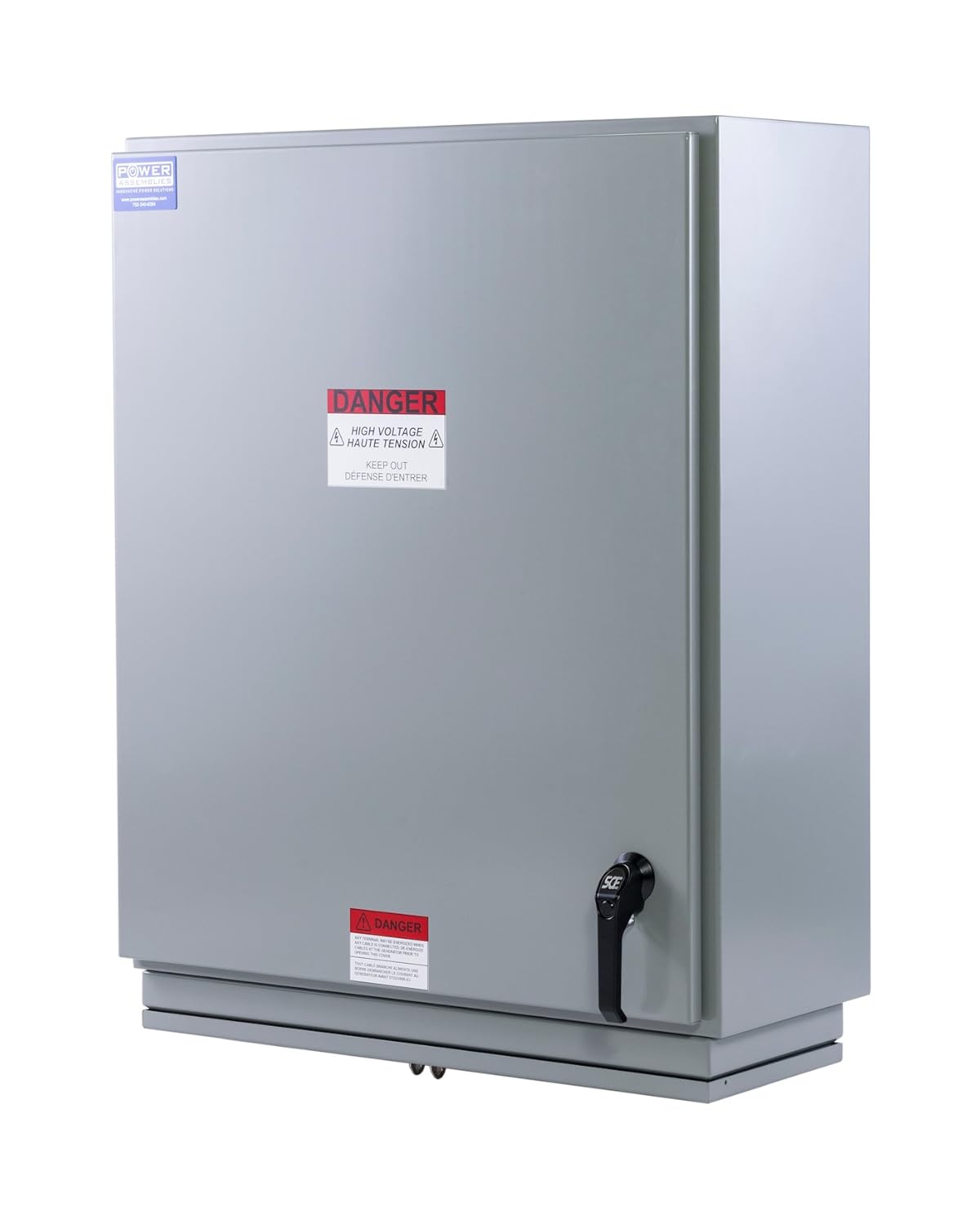
Generator Docking Station with Built-in RV Connection
Docking station simplifies generator setup and teardown. Seamless integration with RV’s electrical system.
Generator Tip: Generator docking stations eliminate cords and simplify boondocking power management.
View on AmazonSolar Power Systems
Renogy RV Solar Panel Kit – Complete Rooftop System
Renogy solar panels with integrated charge controller deliver reliable power for extended boondocking. This comprehensive renogy rv solar panel kit features monocrystalline solar panels for maximum efficiency.
Solar Tip: Renogy RV solar panel kits are popular for quality-start with 400-600 watts for off-grid independence.
View on AmazonRenogy Portable Solar Panels for RV
Renogy’s portable solar panels for RV use the same high-quality monocrystalline technology as their rooftop systems. Renogy solar panels fold compactly and deliver consistent power anywhere you park.
Solar Tip: Renogy portable solar panels are ideal for testing solar before permanent roof installation.
View on Amazon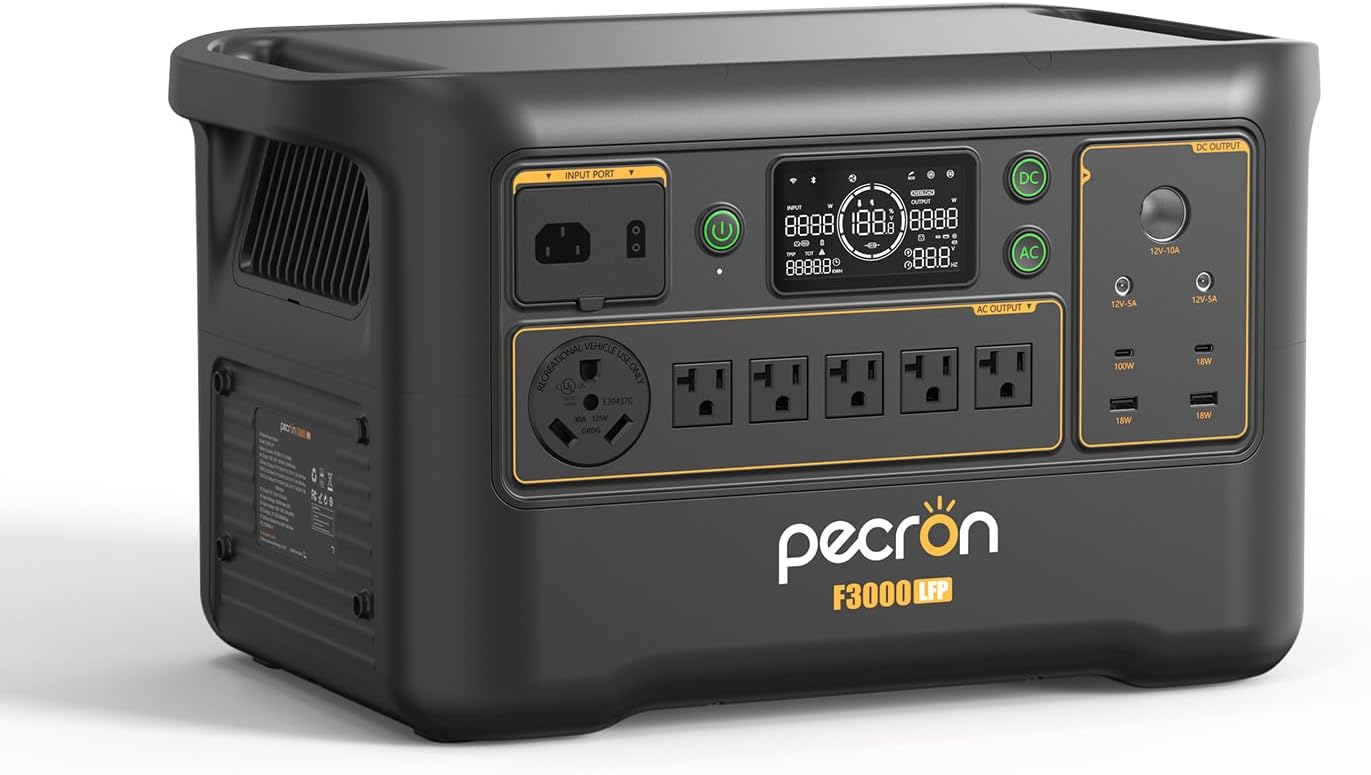
Compact Power Station System
Lightweight compact power station fits easily in travel trailers. Perfect portable power system for weekend trips or boondocking without heavy equipment.
Power Tip: Compact power stations are ideal for travel trailers and smaller RVs needing portable backup power.
View on Amazon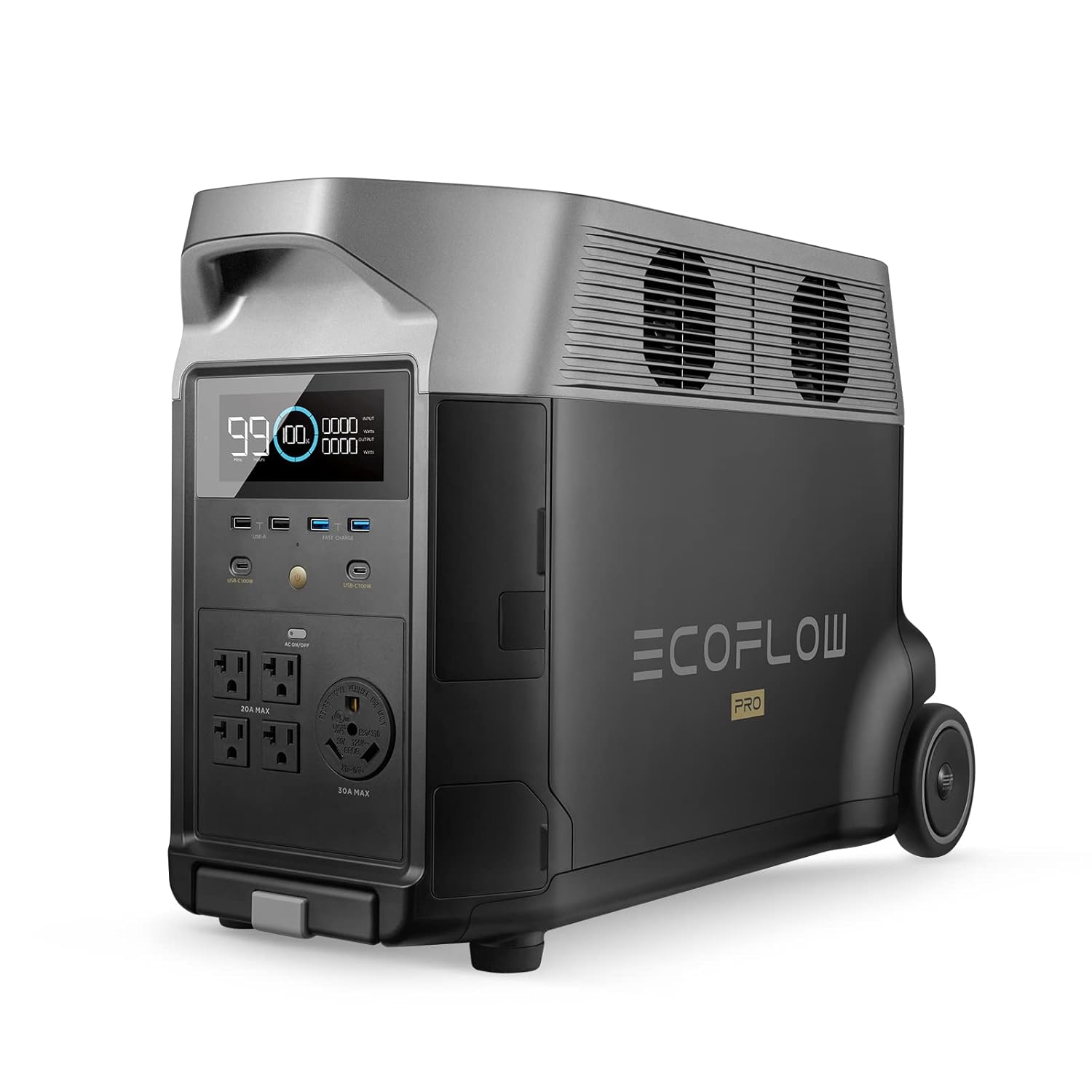
EcoFlow Delta Pro Solar Generator & High Capacity Power Station
High capacity power station with integrated solar generator capability. Create a complete portable power system with expandable battery that scales to your power needs.
Power Tip: High capacity power stations like EcoFlow are ideal for serious boondocking or emergency backup.
View on AmazonPower Management & Monitoring
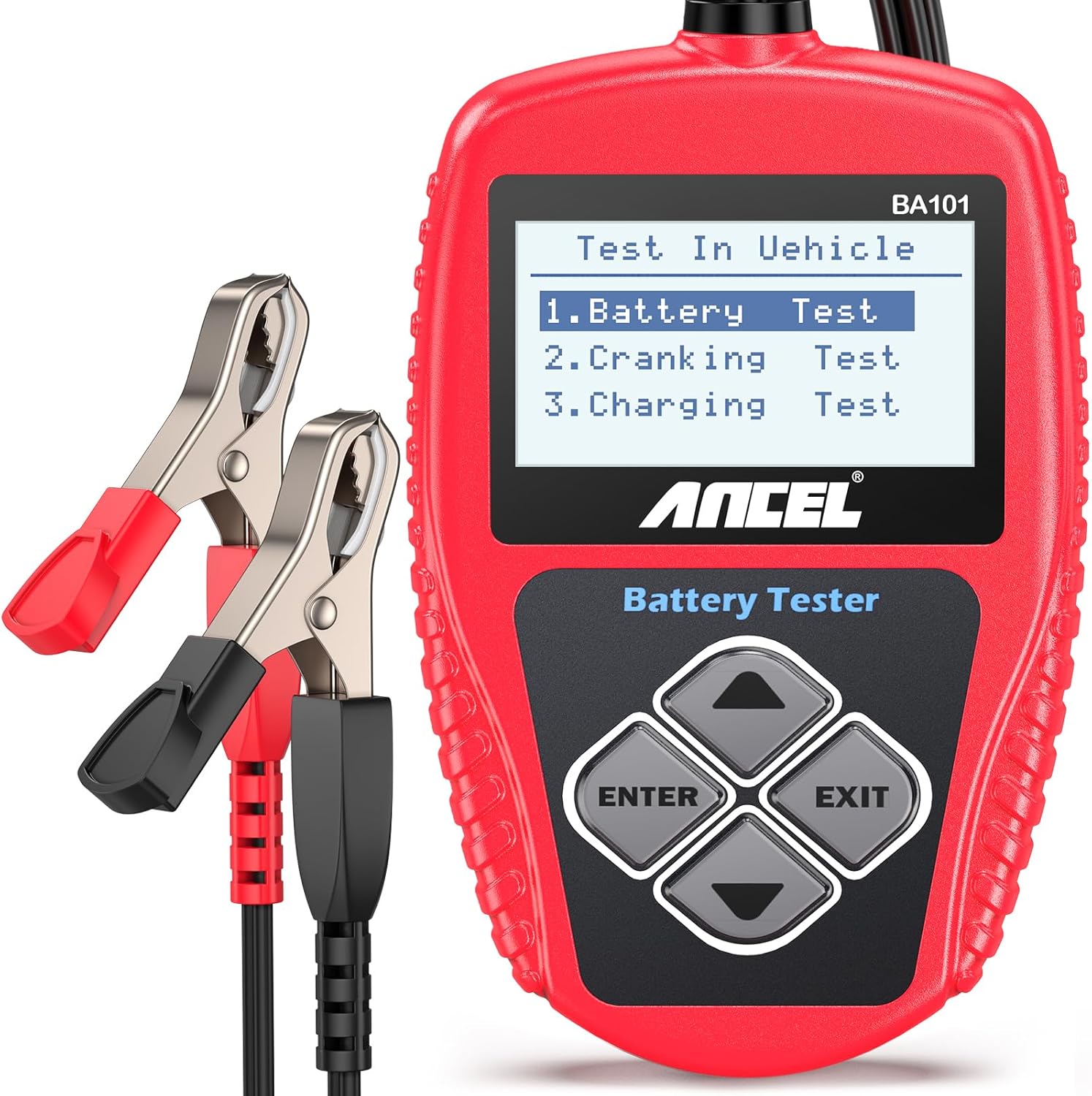
Battery Monitor System
Real-time display of voltage, current, and remaining capacity. Helps optimize power use and prevent over-discharge.
Monitor Tip: Battery monitors pay for themselves by extending battery life through smarter usage.
View on Amazon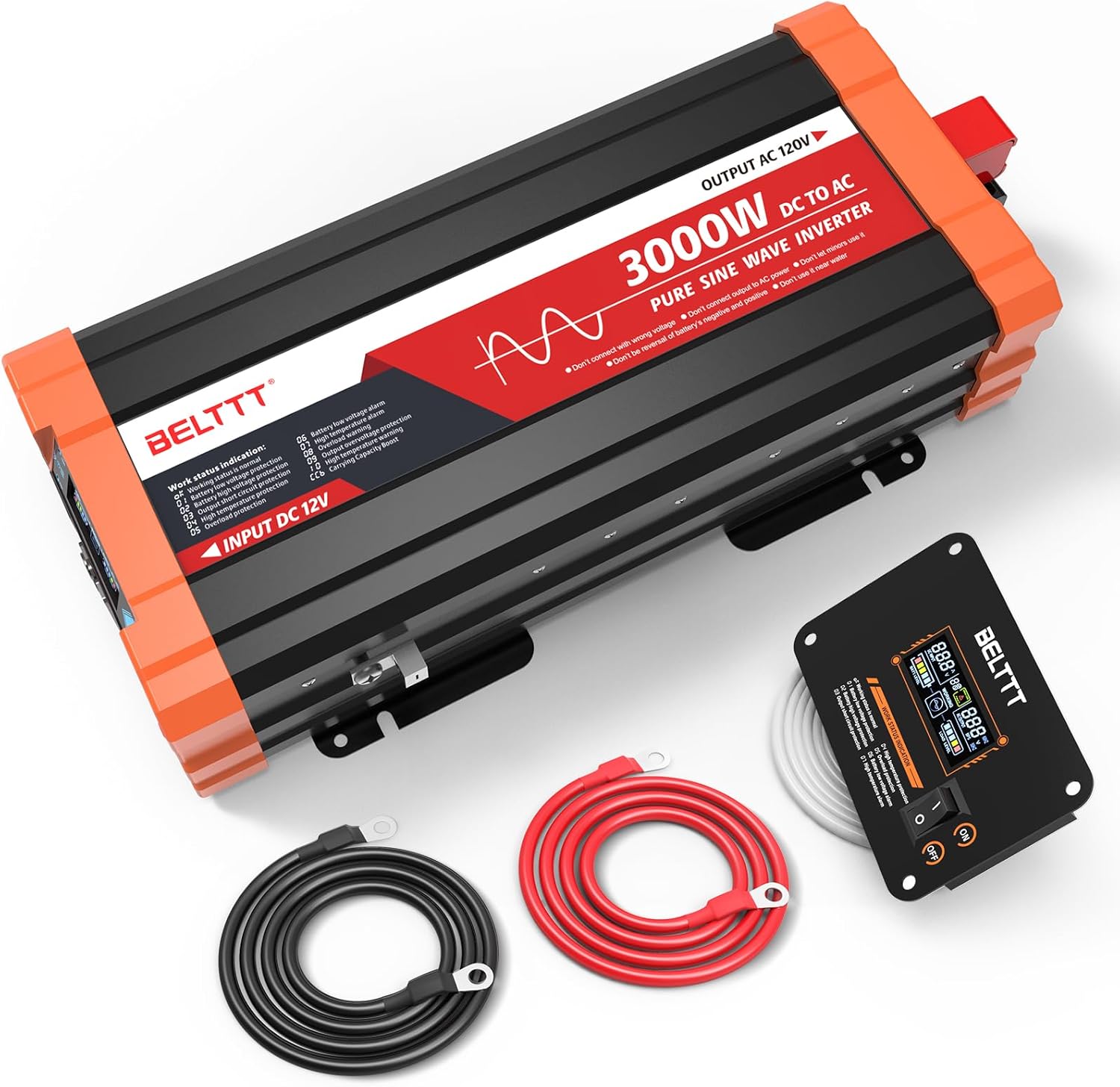
RV Power Inverter
Converts 12V battery power to 120V AC for standard appliances. Essential for off-grid living without generator.
Inverter Tip: Size your inverter for your highest-draw appliance to ensure adequate power.
View on Amazon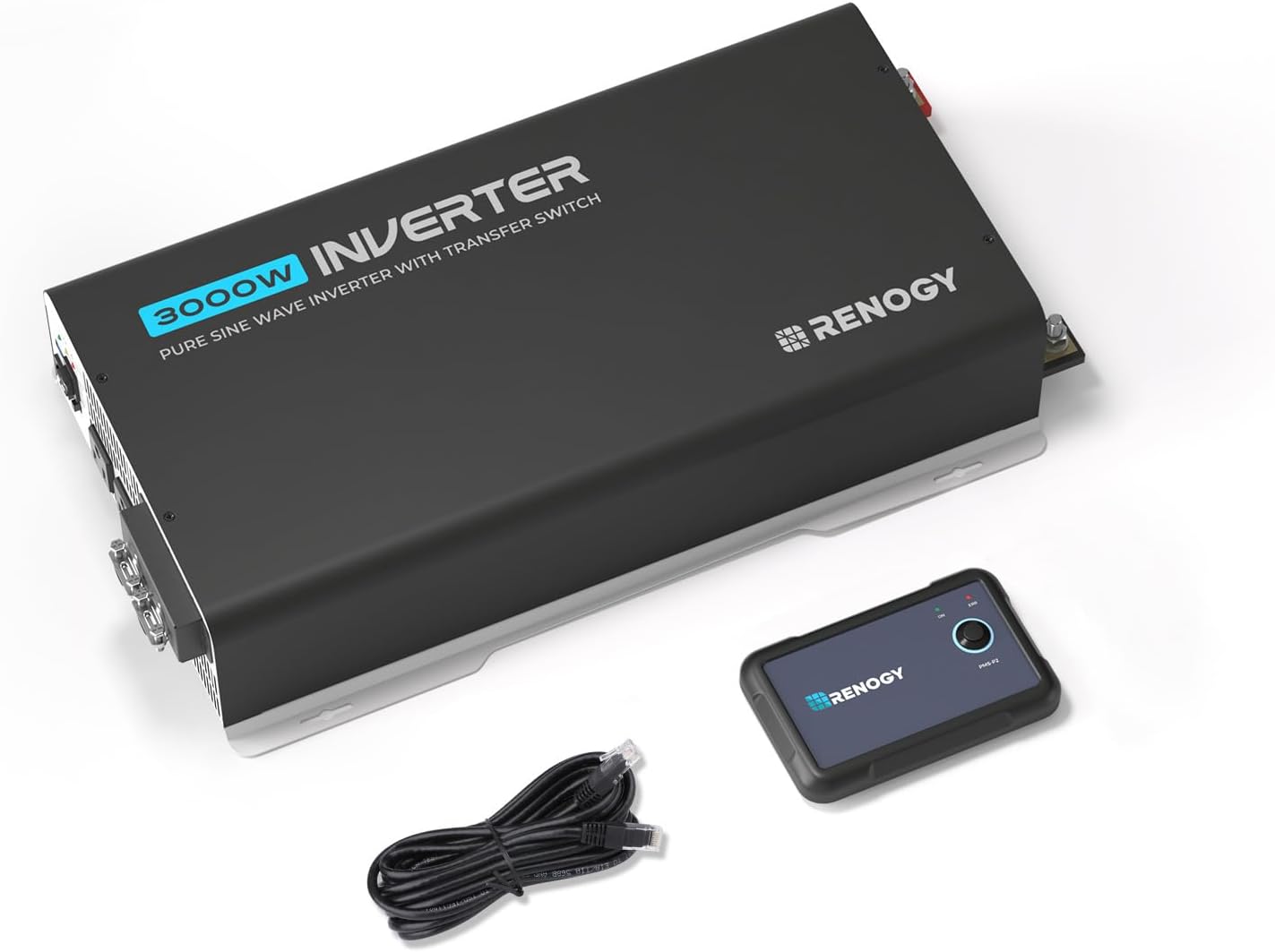
Automatic Transfer Switch
Seamlessly switches between shore power and generator power. Prevents backfeeding and protects your RV system.
Switch Tip: Professional installation ensures safe operation and proper integration.
View on AmazonFrequently Asked Questions
Common questions about RV Electrical & Power Solutions help you understand your options and make informed decisions for your specific RV lifestyle.
Essential RV Electrical Setup
At minimum, you need a surge protector to prevent damage at questionable campgrounds, a battery monitor to track power usage, and either shore power access or a generator for electricity. For boondocking, add solar panels or a power station to supplement battery power. Even basic setups benefit from these three components protecting your investment and comfort.
Absolutely. Campground electrical systems vary widely in safety and reliability, and a single power surge can damage thousands of dollars worth of RV equipment. Surge protectors are cheap insurance against expensive repairs. Even one incident pays for the device many times over, making it a critical investment for any RV using shore power.
Power Generation Options
Solar panels are ideal if you park in sunny locations and prefer quiet, fuel-free operation. Generators are essential for cloudy climates or high power demands like running AC. Many experienced RVers use both-solar during the day and generators at night or during extended cloudy periods. Your travel style and budget will determine the best combination for you.
Most boondocking RVers start with 400-600 watts of solar panels. Calculate your daily power needs in watt-hours, divide by peak sun hours in your area (typically 4-5 hours), and add 50% for inefficiencies. A 100-watt panel generates roughly 400-500 watt-hours per sunny day, so multiple panels provide redundancy and faster charging on partly cloudy days.
Battery and Power Management
AGM (Absorbed Glass Mat) batteries are affordable, robust, and widely available but hold less usable capacity and don’t tolerate deep discharge as well. Lithium batteries offer twice the usable capacity, charge faster, weigh less, and last 3-4 times longer, but cost significantly more upfront. For serious boondocking or off-grid living, lithium’s advantages often justify the investment.
Avoid discharging below 50% if possible, as this extends battery lifespan significantly. Run high-drain appliances during peak sun hours when solar is generating power. Use LED lighting throughout your RV, unplug phantom loads, and use efficient appliances like induction cooktops instead of electric resistance heating. A battery monitor helps you understand and optimize power usage patterns.
Electrical Safety
Simple upgrades like adding a surge protector or installing solar panels can be DIY projects if you follow manufacturer instructions carefully. However, anything involving your main electrical panel, house batteries, or wiring should be handled by a qualified RV technician. Improper installation creates fire hazards, electrical shocks, and voids warranties. Professional installation is worth the cost for safety and peace of mind.
Annual inspections are recommended for RVs in regular use. A qualified technician checks for corrosion, loose connections, proper grounding, and signs of wear on wiring and breakers. If you RV full-time or notice any electrical issues, more frequent inspections are wise. Regular maintenance prevents expensive repairs and ensures safe operation of critical systems.
Explore More RV Guides
Check out our comprehensive guides to RV accessories for comfort upgrades, RV kitchen and cooking gear for meal preparation, RV bedding and sleep comfort for restful nights, and more. Explore all our RV guides to discover products and techniques that enhance your travel lifestyle.
Disclosure and Transparency
Affiliate Links: This guide contains affiliate links to recommended products. When you purchase through these links, we may earn a small commission at no additional cost to you. This helps support our content creation and allows us to provide valuable RV information at no cost to our readers.
Our Commitment: We only recommend products we genuinely believe will improve your RV electrical safety and efficiency. Our product selections are based on quality, functionality, and value-for our readers, not commission potential. We appreciate your support!