Finding the Quietest Generator for Your RV Camping Trip
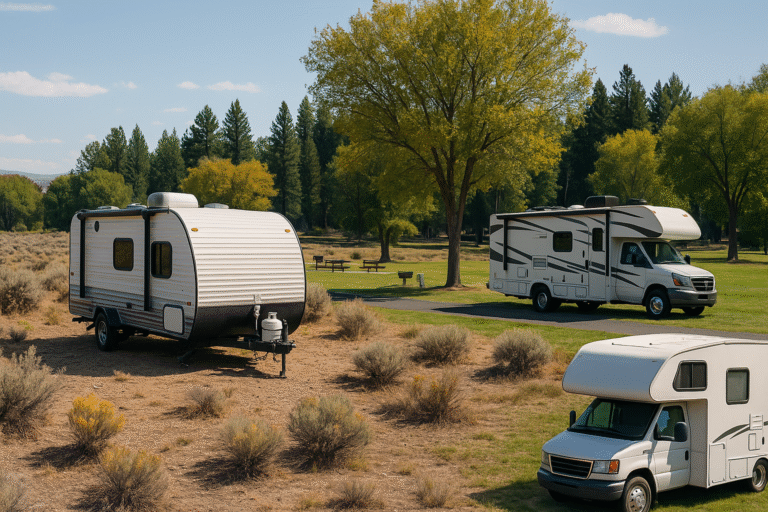
The open road calls, promising adventure and breathtaking scenery. RV camping offers the freedom to explore, disconnecting from the everyday and reconnecting with nature. But let’s face it, even in the heart of the wilderness, some modern conveniences are essential. From powering appliances to charging devices, a portable generator can be a lifesaver. However, the rumble of a loud generator can quickly shatter the tranquility you sought, annoying both you and your fellow campers. That’s why finding the quietest generator for RV use is paramount to a truly enjoyable camping experience.
This comprehensive guide delves into the world of quiet portable generators specifically designed for RV camping. We’ll explore the factors that contribute to noise levels, compare decibel ratings across various models, and provide in-depth reviews to help you choose the perfect generator that delivers power without sacrificing peace and quiet.
Why a Quiet Generator Matters for RV Camping
Imagine waking up to the chirping of birds and the gentle rustling of leaves, only to have the serenity shattered by a roaring generator next door. A noisy generator can ruin the ambiance of your campsite, disturb wildlife, and even lead to conflicts with other campers. Here’s why prioritizing a quiet generator is crucial for a positive RV camping experience:
- Respect for Fellow Campers: Campgrounds are often shared spaces, and excessive noise can be a major source of annoyance. A quiet generator demonstrates consideration for your neighbors and helps maintain a peaceful atmosphere.
- Enjoying Nature’s Sounds: You’re RV camping to escape the city noise, not replace it with the drone of a generator. A quiet generator allows you to truly appreciate the natural sounds of your surroundings, from the crackling of a campfire to the hooting of an owl.
- Following Campground Rules: Many campgrounds have strict noise regulations, often limiting generator usage to specific hours or requiring generators to operate below a certain decibel level. Choosing a quiet generator helps you comply with these rules and avoid potential fines or conflicts.
- Personal Comfort and Relaxation: Even if you’re camping alone, a loud generator can be disruptive and stressful. A quiet generator contributes to a more relaxing and comfortable camping experience.
- Protecting Wildlife: Excessive noise can disturb wildlife and disrupt their natural behavior. Minimizing noise pollution helps protect the environment and preserves the beauty of the wilderness.
Understanding Generator Noise Levels: Decibels Decoded
The noise level of a generator is measured in decibels (dB). It’s important to understand how decibels work to accurately assess the noise impact of different generators. Here’s a simplified explanation:
- Decibel Scale: The decibel scale is logarithmic, meaning that an increase of 10 dB represents a tenfold increase in sound intensity.
- Perceived Loudness: A 10 dB increase is generally perceived as being twice as loud.
- Common Sound Levels: To put things in perspective:
- 20 dB: Whispering
- 40 dB: Refrigerator hum
- 60 dB: Normal conversation
- 70 dB: Vacuum cleaner
- 80 dB: City traffic
- 90 dB: Lawnmower
What Makes a Generator Quiet? Key Factors Influencing Noise Levels
Several factors contribute to the noise level of a portable generator. Understanding these factors can help you identify the features that contribute to quieter operation:
- Engine Size and Type: Smaller engines generally produce less noise than larger ones. Inverter generators, which use a more efficient engine design, tend to be quieter than conventional generators.
- Sound Dampening Materials: High-quality generators often incorporate sound-dampening materials around the engine and internal components to absorb and reduce noise.
- Enclosed Design: Generators with fully enclosed designs tend to be quieter than those with open frames, as the enclosure helps to contain the noise.
- Muffler Design: The muffler plays a crucial role in reducing engine exhaust noise. Larger and more sophisticated mufflers are more effective at noise reduction.
- Inverter Technology: Inverter generators produce cleaner and more stable power, allowing them to run at lower speeds and reduce noise when the power demand is low.
- Idle Control: Some generators feature an idle control system that automatically adjusts the engine speed to match the load demand. This helps to minimize noise and fuel consumption when the generator is not running at full capacity.
- Anti-Vibration Mounts: These mounts help to isolate the engine and other components from the frame, reducing vibrations that can contribute to noise.
Top Quietest Portable Generators for RV Camping: A Decibel Comparison
Now, let’s delve into specific models known for their quiet operation. We’ll compare their decibel ratings, power output, and other key features to help you make an informed decision. Note: Decibel ratings are typically measured at a specific distance (e.g., 25% load, 7 meters). Always check the manufacturer’s specifications for accurate information.
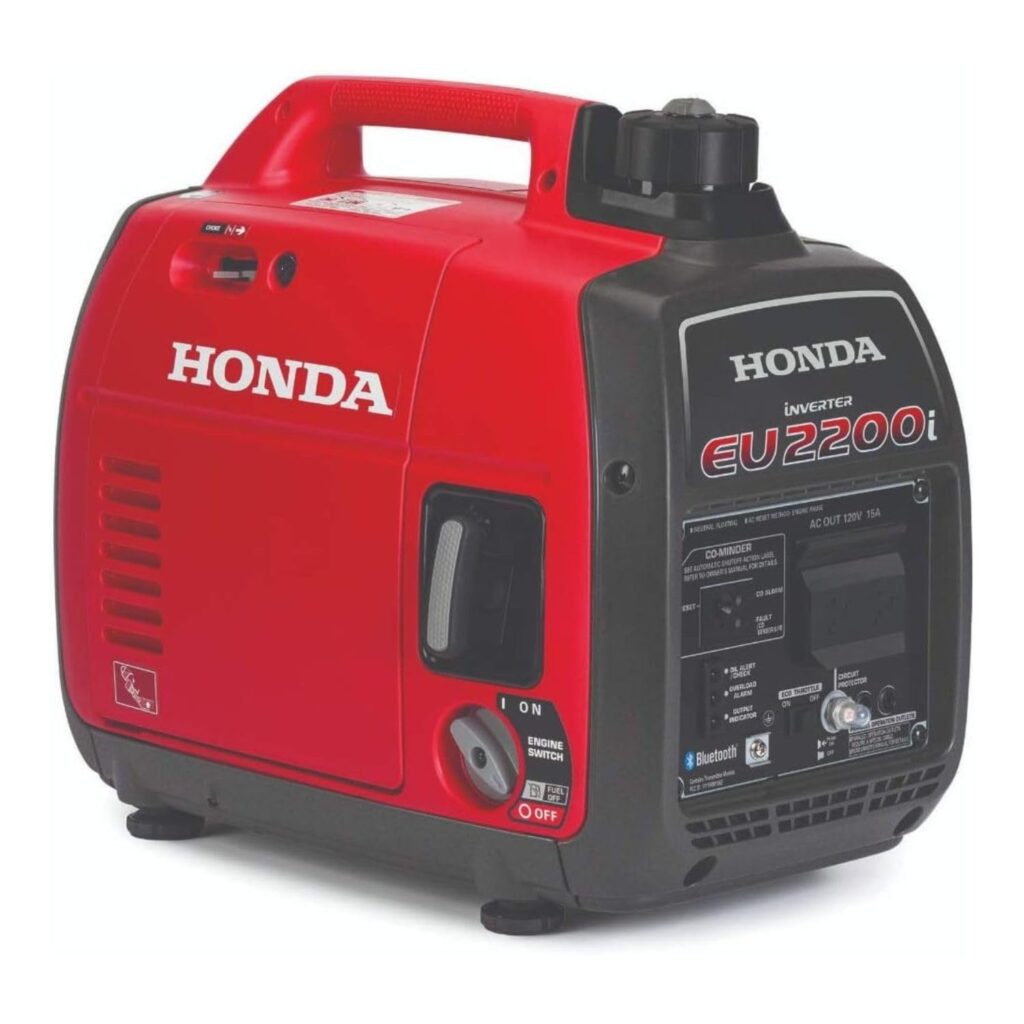
1. Honda EU2200i:
- Decibel Rating: 48-57 dB (at 25% load)
- Power Output: 2200 starting watts / 1800 running watts
- Key Features: Inverter technology, eco-throttle, parallel capability, lightweight
- Why it’s Quiet: Honda is renowned for its engineering excellence, and the EU2200i is a prime example. Its inverter technology, enclosed design, and advanced muffler system contribute to exceptionally quiet operation.
- Best For: Light to medium RV needs, such as running appliances, electronics, and small air conditioners.
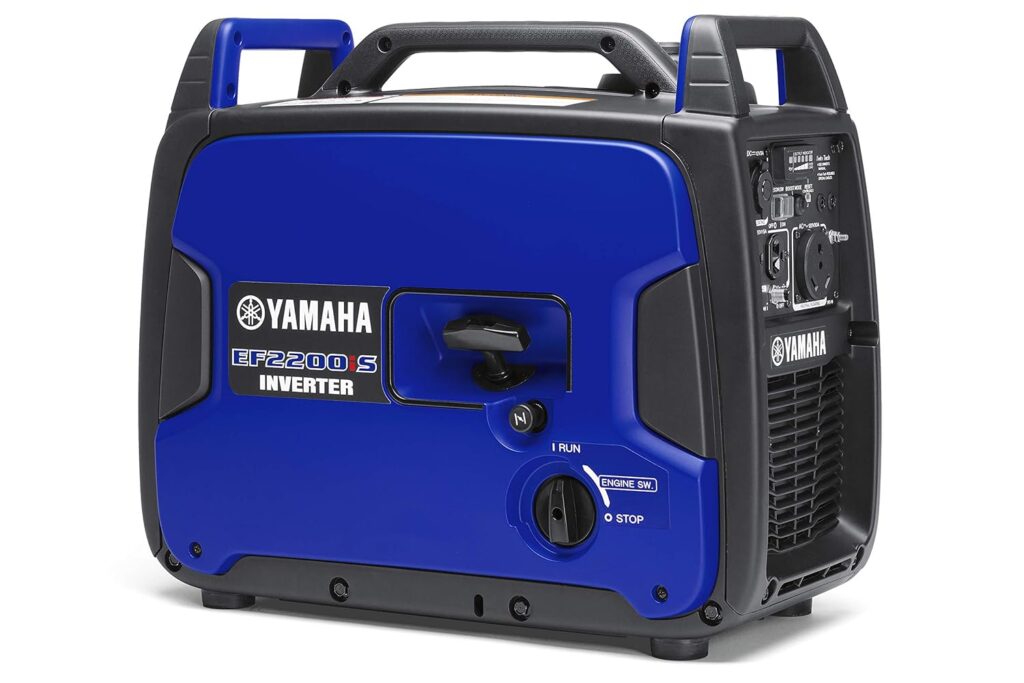
2. Yamaha EF2200iS:
- Decibel Rating: 47-57 dB (at 25% load)
- Power Output: 2200 starting watts / 1800 running watts
- Key Features: Inverter technology, Smart Throttle, parallel capability, lightweight
- Why it’s Quiet: Yamaha’s EF2200iS is another top contender for the quietest generator for RV use. Similar to the Honda, it boasts inverter technology, a well-engineered muffler, and an enclosed design for superior noise reduction.
- Best For: Similar to the Honda EU2200i, ideal for light to medium RV needs.
3. Champion 2500-Watt Ultralight Inverter Generator:
- Decibel Rating: 53 dB (at 25% load)
- Power Output: 2500 starting watts / 1850 running watts
- Key Features: Inverter technology, quiet operation, lightweight, parallel capability, economy mode.
- Why it’s Quiet: Champion has made great strides in reducing generator noise. While not quite as whisper-quiet as the Honda or Yamaha, the 2500-Watt Ultralight Inverter Generator offers a good balance of power and quiet operation at a more affordable price point.
- Best For: RVers who need a little more power than the Honda or Yamaha but still want quiet operation.
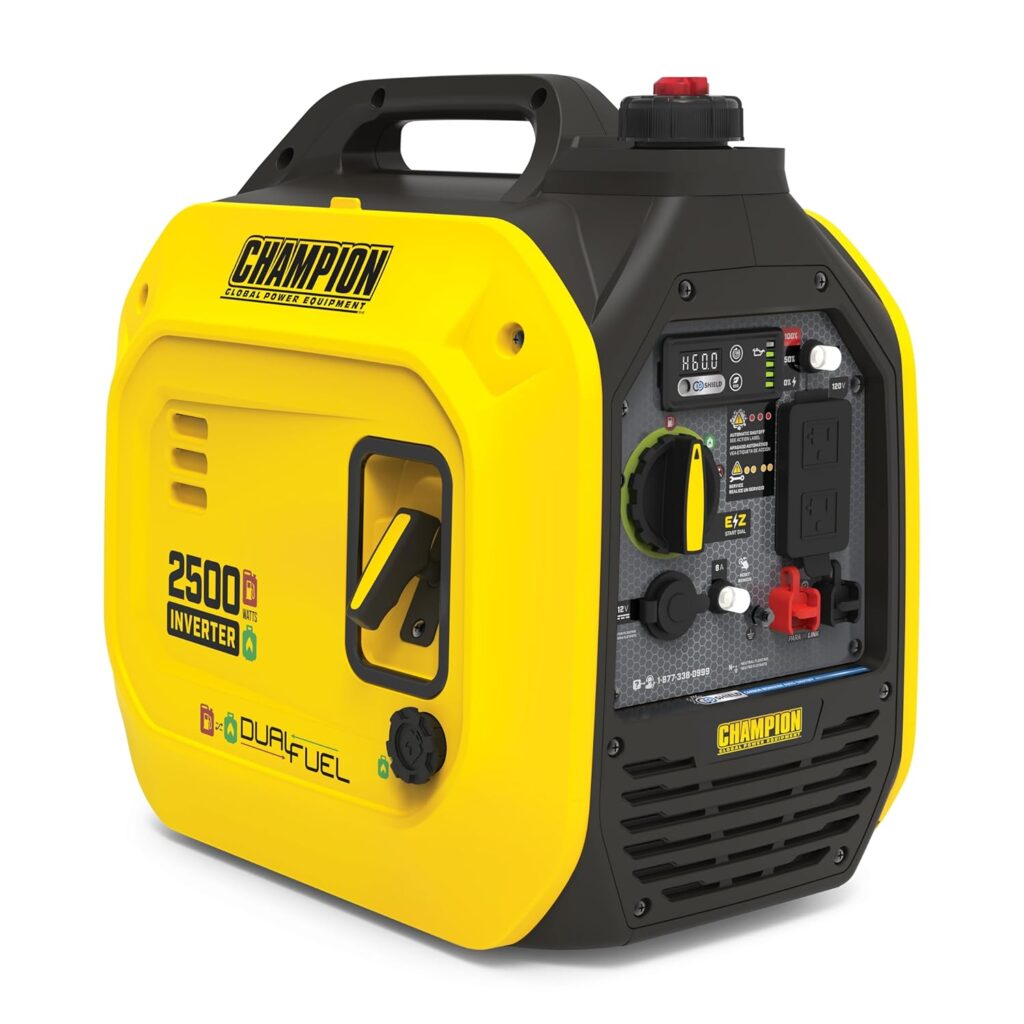
4. Generac iQ2000:
- Decibel Rating: 53 dB (at 25% load)
- Power Output: 2000 starting watts / 1600 running watts
- Key Features: Inverter technology, PowerDial, quiet operation, economy mode, parallel capability.
- Why it’s Quiet: Generac’s iQ2000 inverter generator is designed for quiet operation and features a unique PowerDial that simplifies startup and operation. Its enclosed design and inverter technology contribute to its low noise levels.
- Best For: RVers who need a reliable and relatively quiet generator for basic power needs.
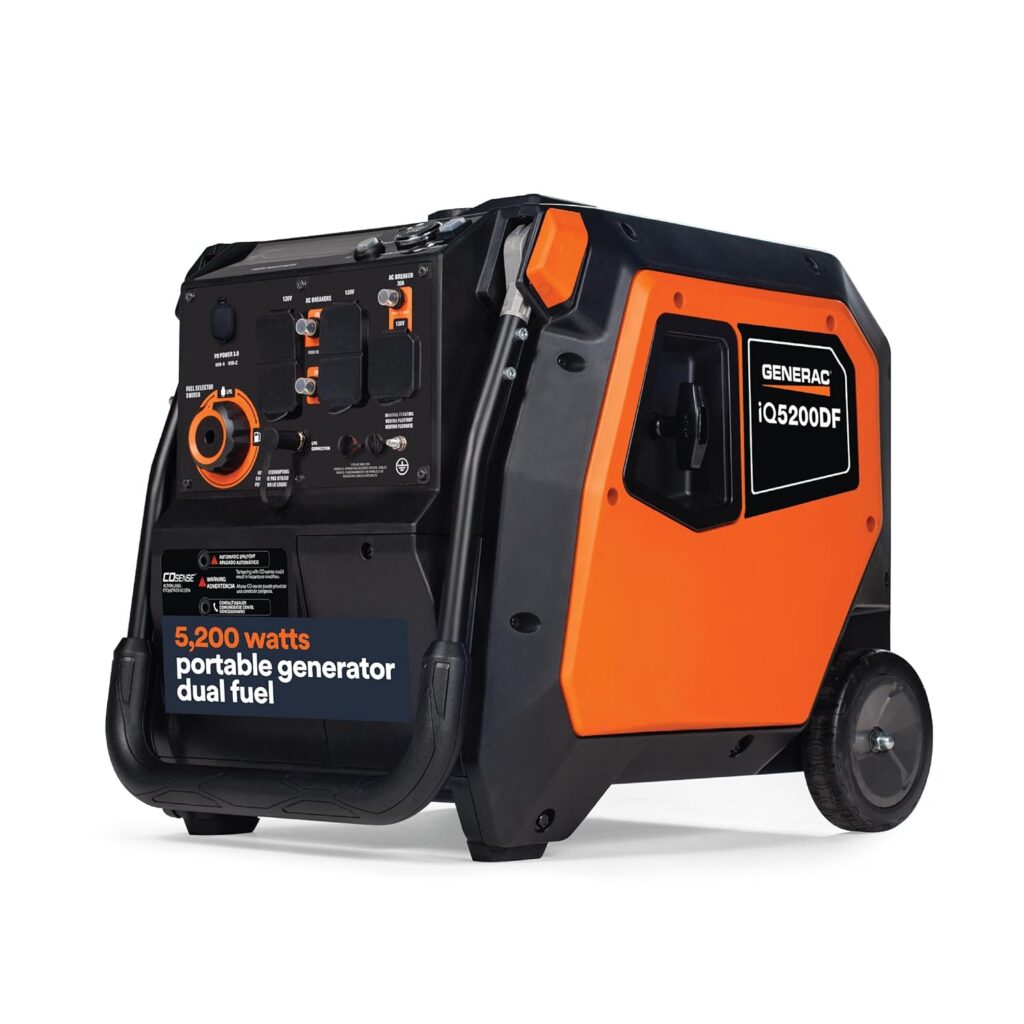
5. Westinghouse iGen2500:
- Decibel Rating: 52 dB (at 25% load)
- Power Output: 2500 starting watts / 2200 running watts
- Key Features: Inverter technology, quiet operation, lightweight, economy mode, parallel capability.
- Why it’s Quiet: The Westinghouse iGen2500 combines quiet operation with a respectable power output. Its inverter technology and efficient design contribute to its low noise levels, making it a suitable choice for RV camping.
- Best For: RVers who need a generator with a good balance of power, quietness, and affordability.
Tips for Further Reducing Generator Noise
Even with a quiet generator, you can take steps to further minimize noise pollution at your campsite:
- Positioning: Place the generator as far away from your camping area and your neighbors as possible, while still ensuring proper ventilation.
- Sound Barriers: Create a sound barrier around the generator using materials like plywood, hay bales, or blankets. Be careful not to obstruct ventilation.
- Generator Muffler Extensions: Consider using a generator muffler extension to redirect exhaust fumes and reduce noise.
- Acoustic Enclosures: While expensive, custom-built or commercially available acoustic enclosures can significantly reduce generator noise.
- Regular Maintenance: Proper maintenance, including oil changes and spark plug replacements, can help ensure that your generator runs smoothly and quietly.
Choosing the Right Quiet Generator for Your RV: Key Considerations
Before making a purchase, consider the following factors to determine the best quiet generator for your specific needs:
- Power Needs: Calculate the total wattage required to run all the appliances and devices you’ll be using simultaneously. Choose a generator that provides sufficient power to meet your needs.
- Decibel Rating: Prioritize generators with low decibel ratings (ideally below 60 dB at a reasonable distance).
- Weight and Portability: Consider the weight and size of the generator, especially if you’ll be moving it frequently.
- Fuel Efficiency: Choose a generator with good fuel efficiency to minimize fuel consumption and operating costs.
- Features: Look for features like inverter technology, economy mode, parallel capability, and easy starting.
- Budget: Determine your budget and find a generator that offers the best value for your money.
Conclusion
Finding the quietest generator for RV camping is essential for ensuring a peaceful and enjoyable experience. By understanding the factors that contribute to generator noise, comparing decibel ratings across various models, and following the tips outlined in this guide, you can choose the perfect generator that provides power without disrupting the tranquility of your campsite. Embrace the freedom of RV camping without sacrificing the peace and quiet you deserve. Happy camping!
The Bottom Line
A quiet generator can make a HUGE difference in your RV camping experience. Take the time to research and choose the best one for your needs. You’ll be glad you did when you’re relaxing in the peace and quiet of nature!
Want a deeper look at how to power your RV the right way? Our RV Portable Generators Guide walks you through choosing the right size generator, managing noise, fuel types, maintenance tips, and real life usage scenarios so you can travel confidently.
Learn more in the full guide: https://getrvusa.online/rv-portable-generators-guide/