RV Camping: BLM Land or Private Land -Discover the Perfect Destination for Your Adventure
Embarking on an RV journey is an invitation to freedom, exploration, and unforgettable experiences. But before you hit the road, one crucial decision looms large: Where will you park your home on wheels? Among the myriad of choices, two stand out prominently: Bureau of Land Management (BLM) land and privately owned land.
While both offer a place to rest and rejuvenate, the camping experiences they provide are distinct, appealing to different RVers seeking different adventures. Understanding the nuances of each option is vital for crafting the perfect trip tailored to your needs, budget, and desired level of comfort.
This comprehensive guide dives deep into the world of BLM land and private land RV camping, comparing their pros and cons, exploring practical tips, and helping you determine which option best complements your RV lifestyle and travel aspirations. Let’s embark on this exploration!
Understanding BLM Land: The Call of the Wild
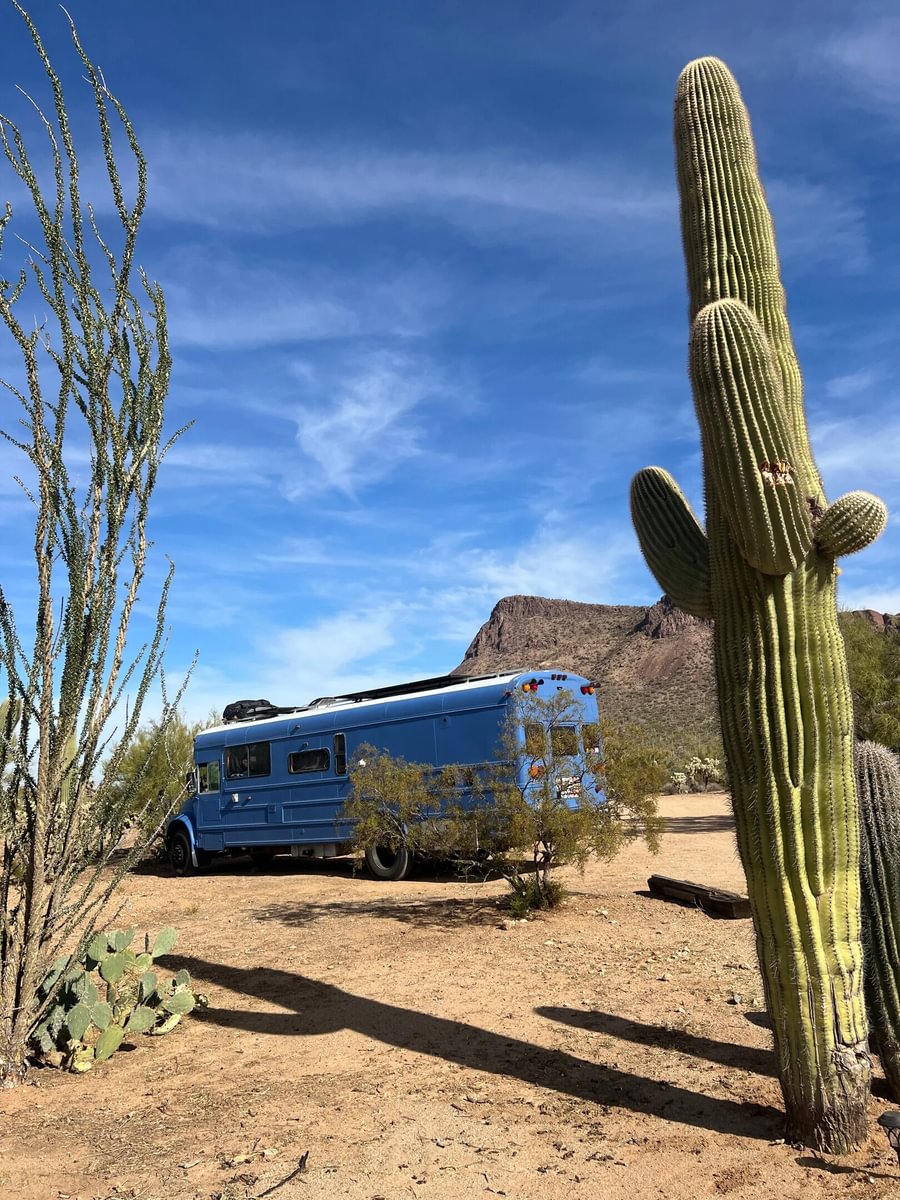
BLM land, a vast network of public lands managed by the Bureau of Land Management within the United States, represents a treasure trove for outdoor enthusiasts, especially RVers seeking a taste of the wild. Open to the public for diverse uses, including recreation, BLM land shines as a prime destination for boondocking or dispersed camping – the art of camping without the constraints (and costs) of traditional campgrounds.
Boondocking on BLM land means embracing self-sufficiency, immersing yourself in nature’s embrace, and reveling in the freedom to explore off the beaten path. However, it’s a choice that demands careful preparation and a respect for the land itself.
Why Do RVers Flock to BLM Land for Boondocking Adventures?
- The Allure of Free Camping: The most significant advantage – the absence of campground fees! BLM land opens doors to extended adventures without straining your budget, allowing you to allocate funds to experiences rather than accommodation costs.
- A Symphony of Natural Beauty: BLM land encompasses diverse landscapes, from the arid beauty of deserts to the towering majesty of mountains, dense forests to meandering rivers. Each location offers a unique backdrop for your RV adventure, promising breathtaking sunrises, awe-inspiring sunsets, and nights illuminated by a canopy of stars.
- Embrace the Peace and Quiet: Escape the cacophony of modern life and immerse yourself in the tranquility of nature. BLM land often provides a refuge from crowded campgrounds, allowing you to reconnect with yourself, your travel companions, and the natural world.
- Unleash Your Freedom and Flexibility: Within established guidelines and regulations, you often have considerable freedom in selecting your campsite. This allows you to find the perfect spot that suits your preferences, whether it’s a secluded clearing nestled among trees or a panoramic vista overlooking a vast expanse.
- Honing Your Off-Grid Skills: BLM camping is an excellent opportunity to refine your self-sufficiency. Relying on solar panels, generators, and water conservation techniques becomes an integral part of the experience, empowering you to live independently and sustainably while on the road.
- Amazing Sunsets and Dark Skies: Camping on BLM land will afford you with unobstructed views of the setting sun and the incredible night time skies.
Navigating the Challenges: The Downsides of BLM Camping
While the allure of BLM land is undeniable, it’s crucial to acknowledge the potential challenges and prepare accordingly.
- Time Constraints: The 14-Day Rule: A standard regulation limits your stay to a maximum of 14 days within a 28-day period within a specific area. This policy is in place to prevent long-term occupancy and ensure equitable access for all. Familiarize yourself with the local rules and adhere to them diligently.
- Hookup-Free Living: The Boondocking Reality: Boondocking means embracing a hookup-free existence. No water, electricity, or sewer connections are available. You must be self-reliant, carrying your own water supply, managing waste responsibly, and potentially relying on alternative power sources.
- Connectivity Challenges: The Cell Service Conundrum: Don’t expect reliable cell service everywhere. Many BLM land locations are situated in remote areas with limited or no coverage. This requires pre-planning, downloading maps and resources, and informing loved ones of your itinerary. Satellite internet may be a great option for those who require consistent internet.
- Remote Access and Navigation: Reaching some BLM land campsites may involve traversing unpaved roads and navigating challenging terrain. Research road conditions beforehand, ensure your RV is equipped for the journey, and consider investing in GPS navigation tools or off-road apps.
- The Unpredictability of Weather: Weather conditions can change rapidly in remote areas. Monitor forecasts diligently, be prepared for sudden shifts in temperature or precipitation, and pack accordingly.
- Ground Conditions: Certain terrains can be difficult to drive and camp on for larger RVs. Research the area and surrounding conditions before beginning your drive.
Embracing Comfort and Convenience: RV Camping on Private Land
In contrast to the rugged allure of BLM land, private land RV camping offers a more structured and comfortable experience. The rise of online platforms like Hipcamp, Harvest Hosts, and Boondockers Welcome has revolutionized the way RVers discover and book unique stays on private property.
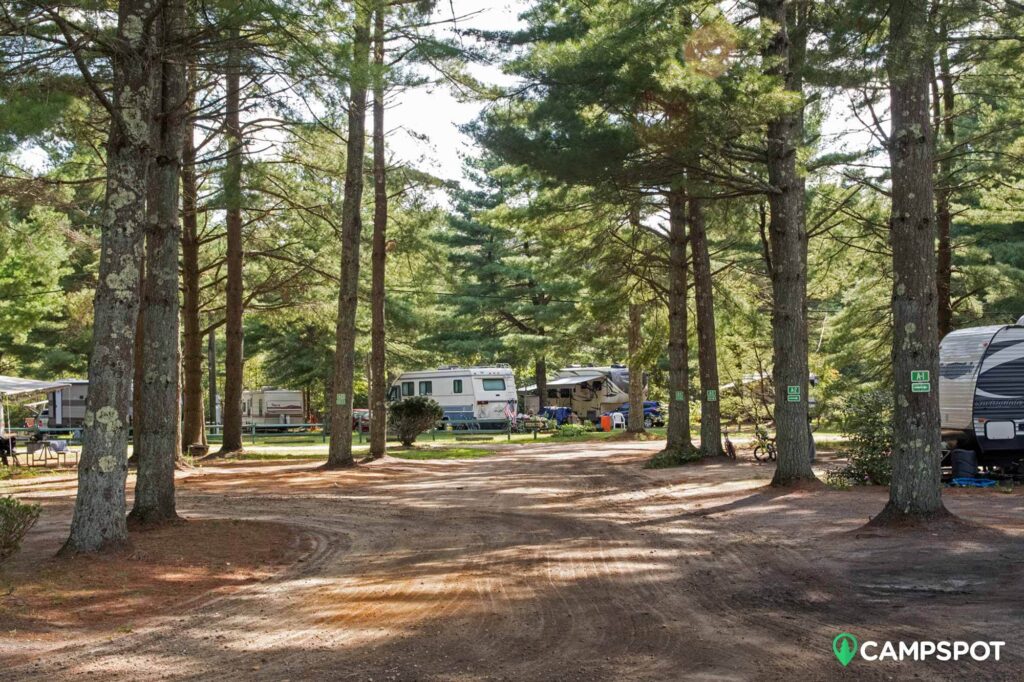
Private land camping combines the freedom of RV travel with the amenities and security of established campgrounds, catering to those seeking a balance between adventure and convenience.
The Advantages of Choosing Private Land for Your RV Getaway
- Heightened Security and Peace of Mind: Private land often offers a more secure environment than remote BLM locations, providing a greater sense of peace and tranquility, especially for solo travelers or families.
- Clear Access and Defined Campsites: Private land hosts provide clear directions and designated camping spots, eliminating the guesswork and potential challenges of finding a suitable site on BLM land.
- The Potential for Hookups and Amenities: One of the most significant advantages is the potential for electric, water, and/or sewer hookups. Check the listing carefully to confirm available amenities and ensure they meet your needs. Hosts may also offer additional conveniences like fire pits, picnic tables, restrooms, and showers.
- Smaller Crowds and Personalized Experiences: Private land camping often translates to fewer crowds and a more intimate connection with your surroundings. You’ll likely enjoy greater privacy and a more personalized experience tailored to your preferences.
- A Stepping Stone for RV Newcomers: Private land camping provides a more accessible and less intimidating introduction to the RV lifestyle. It’s an excellent option for beginners who appreciate the added support and amenities.
- Community and Local Support: Private land campgrounds are often connected to local communities and help boost the economy.
Weighing the Trade-offs: The Potential Downsides of Private Land Camping
While private land camping offers numerous benefits, it’s essential to consider the potential drawbacks.
- The Inevitable Cost Factor: Unlike the free camping offered by BLM land, private land camping requires a fee. Rates vary depending on the location, amenities, and time of year.
- A Less Immersive Wilderness Experience: The experience may not be as raw or adventurous as boondocking on BLM land. You might sacrifice some of the solitude and untamed beauty in exchange for added comforts and conveniences.
- Location Constraints: Finding private land camping options in your desired location may be limited, requiring some flexibility in your travel plans.
Comparing BLM Land and Private Land: Which Aligns with Your RV Style?
To simplify your decision-making process, here’s a comparative table highlighting the key differences between BLM land and private land RV camping: Download
| Feature | BLM Land | Private Land |
|---|---|---|
| Cost | Generally Free | Paid |
| Hookups | None | Potentially Available |
| Crowds | Typically Fewer (but can vary) | Can Vary, but often more structured |
| Security | Less Secure (more remote) | More Secure (often monitored) |
| Amenities | Minimal to None | More (fire pits, picnic tables, restrooms, showers possible) |
| Level of Privacy | Can be very private if you find a secluded spot, but varies. | Often more controlled; can be a balance between privacy and community. |
| Best For… | Experienced boondockers, nature enthusiasts, budget-conscious travelers, off-grid seekers | Families, beginners, those valuing convenience and security, those needing hookups, supporting local businesses |
| Not For… | Those needing hookups, those uncomfortable in remote areas, those needing consistent connectivity | Those seeking a completely free or untamed experience, dedicated solitude |
| Accessibility | Requires more research and often involves unpaved roads. | Usually well-maintained roads and clear directions. |
Finding Your Ideal RV Campsite: Resources and Tools
- BLM Land Exploration:
- iOverlander: A crowdsourced map offering user-submitted campsites, reviews, and valuable information.
- Campendium: A go-to resource for campground reviews and locating BLM land camping areas.
- OnX Offroad: A powerful app (subscription required) for accessing public land boundaries, trails, and topographical maps.
- Official BLM Maps: Contact your local BLM office for detailed maps highlighting designated camping areas and regulations.
- Private Land Discovery:
- Hipcamp: A leading platform connecting campers with unique stays on private land, from secluded campsites to glamping experiences.
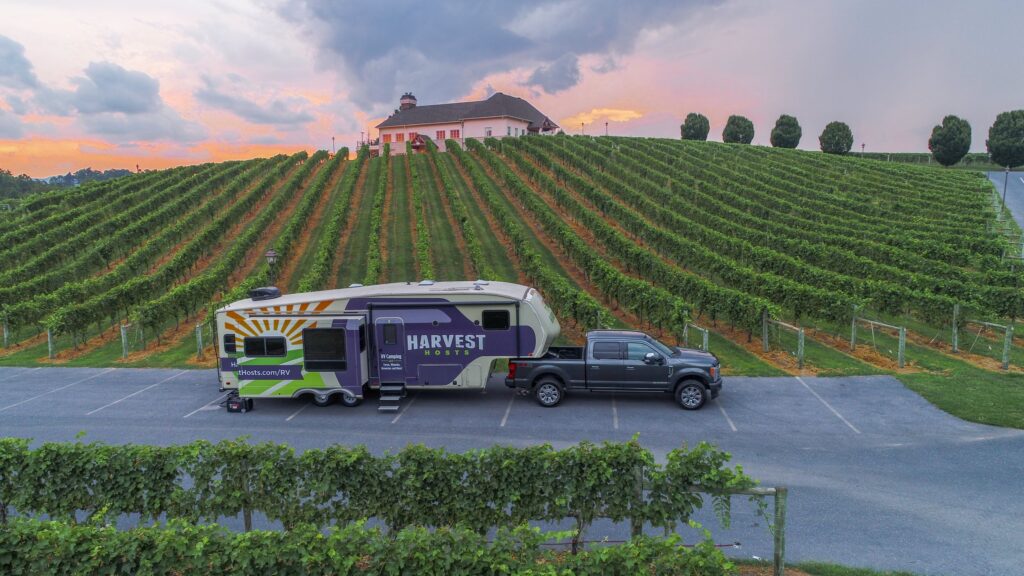
- Harvest Hosts: A membership program granting RVers overnight stays at wineries, breweries, farms, and other distinctive businesses (typically no hookups).
- Boondockers Welcome: Connects RVers with hosts offering free overnight parking on their property, fostering a community of travelers.
- CampSpot: Campground reservation management services for park owners. Also provide online reservation services for campers.
Pro Tips for RVing Success: BLM Land and Private Land Essentials
- Weather Awareness: Vigilantly monitor the weather forecast, packing appropriate clothing and gear for anticipated conditions. Be prepared for rapid changes in remote areas.
- Leave No Trace Ethos: Embrace the Leave No Trace principles. Pack out everything you pack in, minimize your impact on the environment, and respect the natural surroundings.
- Camper Courtesy: Maintain a respectful distance from other RVs, especially on BLM land, ensuring privacy and minimizing noise.
- RV Access Check: Carefully assess road conditions leading to your campsite, verifying that your RV is capable of navigating the terrain.
- Host Respect: Adhere to all rules and guidelines established by your private land host, fostering a positive relationship and ensuring a pleasant experience.
Thinking Beyond Short-Term RV Camping? Consider Land Ownership!
While exploring BLM land and private campgrounds offers incredible RV adventures, some travelers dream of a more permanent home base. Owning land specifically designed for RV use provides unparalleled freedom, privacy, and the opportunity to build equity. If you’re intrigued by the idea of securing your own RV paradise, GetRVUSA partners with Lydos Property to offer exclusive listings of RV properties across America, and RV owners can claim a 15% discount on their purchase.
Browse available RV land properties to the following URL: https://getrvusa.online/land-ownership/ and turn your RV dream into a tangible reality!
Making the Right Choice: Your Perfect RV Camping Experience Awaits
The question isn’t whether BLM land or private land is “better.” The answer lies in understanding your own travel style, needs, and preferences.
- If you yearn for solitude, untamed beauty, and cost-free camping, BLM land beckons.
- If you prioritize comfort, convenience, security, and potential hookups, private land camping emerges as a strong contender.
The most rewarding approach is to embrace both options, experiencing the raw freedom of boondocking on BLM land and the welcoming amenities of private land camping. Your ideal RV adventure awaits!