
💡 Key Recommendation
Install and regularly check two ABC fire extinguishers in strategic locations within your RV to ensure rapid emergency response.
Why This Matters
Safety implications are profound, as RV fires can quickly spread and trap occupants, presenting life-threatening scenarios. Proper fire extinguisher placement dramatically reduces response time and increases survival chances.
RV lifespan can be significantly extended by preventing fire-related damage. Minor incidents that are quickly contained prevent structural compromises and long-term material degradation.
Real consequences include potential total loss of personal belongings, travel interruption, and significant emotional trauma associated with a fire emergency.
Performance effects include maintaining the RV’s structural integrity, preserving electrical and mechanical systems, and ensuring continued safe travel capabilities.
📋 Industry Standards & Best Practices
While specific manufacturer recommendations vary, the core principle remains consistent: proactive fire prevention and rapid response are essential for RV safety.
Complete Guide
Fire extinguishers are critical safety devices that can stop a small fire from becoming a devastating emergency. Professional RV safety experts recommend having at least two fire extinguishers in different locations within your RV – one near the kitchen area and another near the sleeping quarters. The recommended type is a multi-purpose ABC dry chemical extinguisher, which can handle electrical, combustible, and flammable liquid fires.
When selecting a fire extinguisher, consider weight, size, and ease of use. Compact models between 2-5 pounds are ideal for RVs, providing sufficient firefighting capability without taking up excessive storage space. Look for extinguishers with metal valves and durable construction that can withstand the vibrations and temperature variations typical in RV environments.
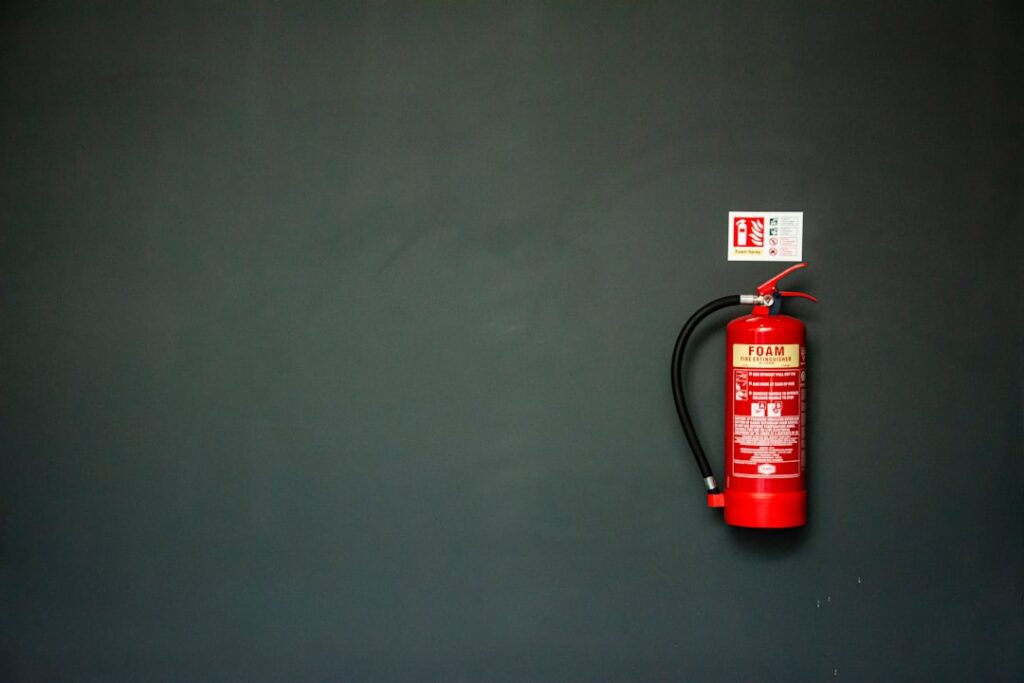
Proper mounting is crucial. Fire extinguishers should be secured in easily accessible locations, mounted at eye level, and protected from direct sunlight and extreme temperatures. Use sturdy mounting brackets designed specifically for RV use, ensuring the extinguisher remains stable during travel and can be quickly retrieved in an emergency.
Step-by-Step Instructions
Step 1
Step 1: Select appropriate ABC multi-purpose fire extinguishers. Check weight, mounting options, and ease of use. Verify certification and manufacturing date.
Step 2
Step 2: Mount extinguishers using RV-specific brackets. Ensure secure attachment, easy access, and protection from direct sunlight and temperature extremes.
Step 3
Step 3: Train all RV occupants on proper fire extinguisher usage, including PASS technique (Pull, Aim, Squeeze, Sweep). Conduct regular familiarization drills.
Step 4
Step 4: Inspect extinguishers monthly. Check pressure gauge, verify no damage, ensure mounting remains secure. Replace or recharge every 5-6 years.
🌍 What This Looks Like
Kitchen stove propane leak leading to small fire
Electrical system short circuit near sleeping area
External grill accidentally igniting nearby combustible materials
❌ Common Mistakes to Avoid
Storing fire extinguisher in hard-to-reach location
Using expired or damaged fire extinguisher
Failing to train all RV occupants on proper usage
🚀 Expert Tips
Always have an evacuation plan
Keep fire extinguishers away from potential fire sources
Regularly check and maintain fire safety equipment
⚠️ Safety Considerations
Always prioritize personal safety over property. If a fire cannot be quickly controlled, evacuate immediately and call emergency services.
FAQ
How many fire extinguishers should I have in my RV?
What type of fire extinguisher is best for an RV?
Where should I mount fire extinguishers in my RV?
How often should I check my RV fire extinguishers?
What is the PASS technique for using a fire extinguisher?
Can I use a fire extinguisher on an electrical fire in my RV?
How do I dispose of an old fire extinguisher?
What should I do if a fire extinguisher is discharged?
Are fire extinguishers affected by temperature changes in an RV?
Can children use a fire extinguisher in an RV emergency?
How do I know when to evacuate instead of using a fire extinguisher?
What additional fire safety equipment should I have in my RV?
How do I maintain fire extinguishers during long RV storage?
What are common causes of fires in RVs?
Can I refill a fire extinguisher myself?
✅ Key Takeaway
Strategic fire extinguisher placement and proper maintenance are crucial for RV safety, protecting both life and property through proactive preparation.