💡 Key Recommendation
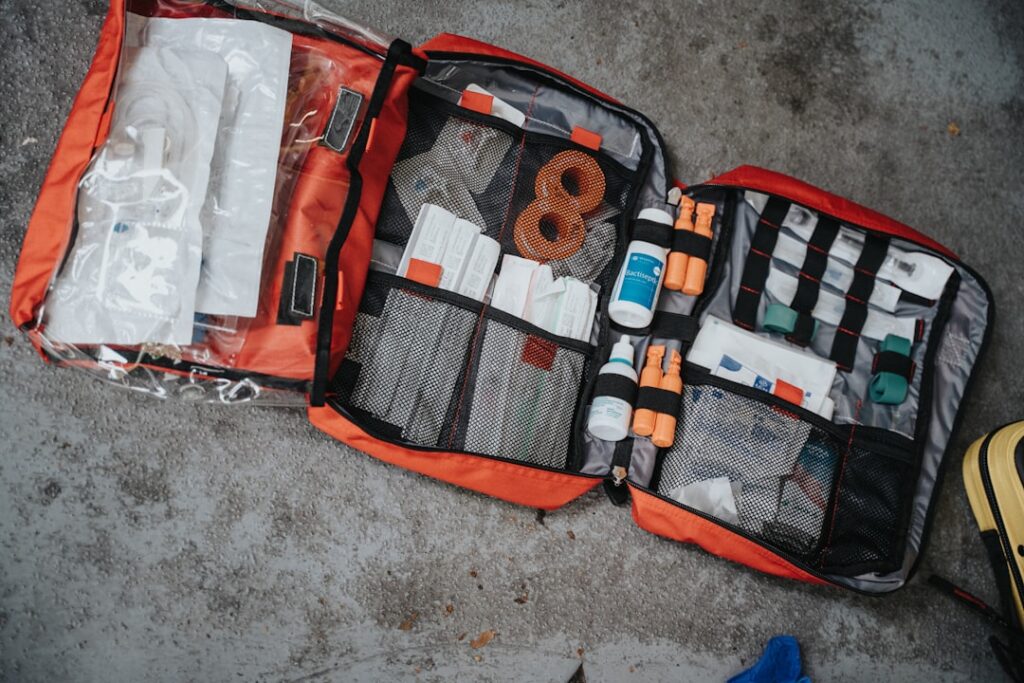
Assemble a comprehensive RV emergency kit that includes multi-purpose tools, communication devices, medical supplies, and critical repair equipment before embarking on any journey.
Why This Matters
Emergency preparedness directly impacts financial security by preventing costly emergency services and potential vehicle recovery expenses. Safety implications are profound, with proper kits potentially saving lives in remote or challenging environments. RV lifespan can be extended through proactive emergency planning, reducing long-term maintenance costs and unexpected breakdowns. Real consequences of inadequate preparation can include being stranded in extreme weather, experiencing medical emergencies without support, or facing mechanical failures without proper tools. Performance effects are significant, with well-prepared travelers experiencing reduced stress and enhanced travel confidence.
📋 Industry Standards & Best Practices
Recognized RV industry best practices emphasize comprehensive emergency preparedness as a fundamental aspect of responsible travel. Professional RV manufacturers consistently recommend travelers develop multi-layered emergency response strategies that address diverse potential scenarios. Understanding potential risks and preparing accordingly represents a critical component of responsible RV ownership and operation.
Complete Guide
Comprehensive emergency preparedness requires meticulous planning and strategic selection of essential items that address multiple potential scenarios encountered during RV travel. A well-designed roadside emergency kit transcends basic survival needs and becomes a critical safety system for travelers. Experienced RV enthusiasts understand that emergencies can occur in remote locations where immediate professional assistance might be unavailable, making self-sufficiency paramount. Modern emergency kits must balance traditional survival tools with technological solutions, integrating both analog and digital resources to maximize traveler protection. Key considerations include medical supplies, communication devices, repair tools, environmental protection items, and contingency planning documents that address diverse potential challenges.
Step-by-Step Instructions
Step 1
Step 1: Inventory current emergency supplies, assess potential travel routes, identify specific environmental challenges, research regional emergency protocols
Step 2
Step 2: Select comprehensive multi-purpose tools, verify communication device compatibility, ensure medical supplies are current and appropriate for anticipated travel conditions
Step 3
Step 3: Organize kit systematically, create inventory checklist, establish regular maintenance and replacement schedule, test communication devices
Step 4
Step 4: Review and update emergency kit quarterly, replace expired items, reassess travel needs based on seasonal changes
🌍 How to Apply This
Desert Southwest travel requiring extensive water storage and heat protection
Mountain region winter travel necessitating specialized cold-weather survival gear
Coastal route emergency preparedness addressing potential maritime rescue scenarios
❌ Common Mistakes to Avoid
Failing to regularly update and maintain emergency supplies
Overlooking specialized regional emergency requirements
Neglecting communication device battery maintenance
🚀 Expert Tips
Vacuum seal critical medical supplies to maximize preservation
Digitize important documents for redundant storage
Create physical and digital emergency contact lists
⚠️ Safety Considerations
Prioritize personal safety, maintain communication capabilities, have multiple backup systems, understand local emergency protocols
FAQ
What essential items should be in an RV emergency roadside kit?
An RV emergency kit should include a first aid kit, flashlight, jumper cables, basic tools, tire repair kit, emergency flares, reflective triangles, and a portable battery charger. These items will help you handle most common roadside emergencies and provide safety and basic repair capabilities.
How often should I update or replace items in my RV emergency kit?
You should review and replace items in your emergency kit annually or before major trips. Check expiration dates on first aid supplies, ensure batteries are fresh, and replace any damaged or worn tools or equipment.
What type of first aid supplies are most important for RV travelers?
Essential first aid supplies include bandages, antiseptic wipes, pain relievers, burn treatment, emergency blanket, tweezers, and any personal medications. Include items that can address minor injuries and stabilize more serious conditions until professional help arrives.
How do I prepare for potential tire emergencies during RV travel?
Pack a full-size spare tire, tire jack, lug wrench, tire pressure gauge, and tire repair kit with sealant. Learn how to change a tire before your trip and practice the process to ensure you can handle roadside tire issues confidently.
What communication devices are recommended for RV emergency preparedness?
Carry a charged mobile phone, portable battery charger, and consider a satellite communication device for areas with poor cellular coverage. A two-way radio can also be helpful for communication in remote locations.
How can I prepare for potential mechanical breakdowns in remote areas?
Carry a comprehensive tool kit, basic spare parts, coolant, oil, and emergency repair materials like duct tape and zip ties. Consider roadside assistance membership and have contact information for mobile RV repair services readily available.
What food and water supplies should be in an RV emergency kit?
Store non-perishable, high-energy foods like energy bars, nuts, and canned goods, along with at least one gallon of water per person per day. Rotate these supplies periodically to maintain freshness and nutritional value.
What type of lighting should I include in my RV emergency kit?
Pack multiple light sources including LED flashlights, headlamps, and battery-powered lanterns with extra batteries. Consider solar-powered or hand-crank options for extended emergency situations.
How do I prepare for potential extreme weather emergencies?
Include emergency blankets, warm clothing layers, rain gear, and a compact weather radio in your kit. Pack items that can help you stay warm, dry, and informed about changing weather conditions.
What fire safety equipment is essential for RV travelers?
Carry a multi-purpose fire extinguisher rated for electrical, gas, and standard fires. Include fire blankets, smoke detectors, and a basic fire escape plan for your RV.
How can I prepare for potential medical emergencies during RV travel?
Create a comprehensive first aid kit with prescription medications, basic medical supplies, and a list of emergency contacts. Consider taking a basic first aid and CPR certification course before traveling.
What documentation should I keep in my RV emergency kit?
Maintain copies of insurance documents, vehicle registration, emergency contact information, and medical information. Store these in a waterproof, easily accessible container.
How do I choose the right roadside assistance plan for RV travel?
Compare plans that specifically cover RVs, offering towing, mechanical breakdown assistance, and potentially trip interruption benefits. Read the fine print to understand coverage limits and exclusions.
What power backup options are recommended for RV emergencies?
Carry a portable power station, solar charger, and extra battery packs to maintain communication and power essential devices. Consider the capacity and charging methods that best suit your travel needs.
How should I store and organize my RV emergency kit?
Use waterproof, clearly labeled containers that are easily accessible but secured against movement. Group items logically and ensure all travelers know the kit’s location and contents.
✅ Key Takeaway
Comprehensive emergency kit planning represents a critical investment in traveler safety, providing peace of mind and practical protection across diverse travel scenarios.