
The RV Repair Handbook
Your Complete Guide to the RV Lifestyle and Freedom on Wheels
The open road beckons, promising adventure, breathtaking landscapes, and the freedom to explore. And what better way to answer that call than with an RV? The RV lifestyle offers unparalleled mobility and the chance to create unforgettable memories. However, embracing this lifestyle also means understanding the importance of RV maintenance and repair, which is exactly what the RV Repair Handbook helps you master.
This comprehensive guide covers everything you need to keep your home on wheels in great condition, from simple DIY repairs and essential maintenance checklists to finding trustworthy local RV repair services. Whether you’re a seasoned RVer or just starting out, this handbook is your roadmap to a smooth, worry-free journey on the road
I. Embracing the RV Lifestyle
Freedom, Responsibility, and the Open Road
The allure of RV living is undeniable. It’s about more than just vacationing; it’s about building a life centered around exploration and flexibility. Imagine waking up to stunning mountain vistas one day and falling asleep to the sound of crashing waves the next. This freedom comes with a unique set of responsibilities, particularly concerning the upkeep of your RV.
Why is RV Maintenance and Repair Crucial?
Unlike a traditional home, your RV is constantly exposed to the elements, subjected to the stresses of travel, and burdened with the responsibility of housing all your essential systems in a compact, mobile unit. Neglecting RV maintenance and repair can lead to:
- Safety Hazards: Faulty brakes, leaky propane lines, or electrical issues can pose serious safety risks to you and your passengers.
- Unexpected Breakdowns: A breakdown in the middle of nowhere can derail your trip and leave you stranded.
- Costly Repairs: Small issues can quickly escalate into major problems if left unattended, resulting in significant repair bills.
- Decreased Resale Value: A well-maintained RV holds its value much better than one that has been neglected.
- Reduced Enjoyment: Spending your vacation dealing with repairs is far from ideal.
II. The DIY RVer
Tackling Basic Maintenance and Repairs
For many RVers, a significant part of the appeal is the self-sufficiency it offers. Learning to perform basic maintenance and repairs can save you money, time, and the hassle of finding a repair shop.
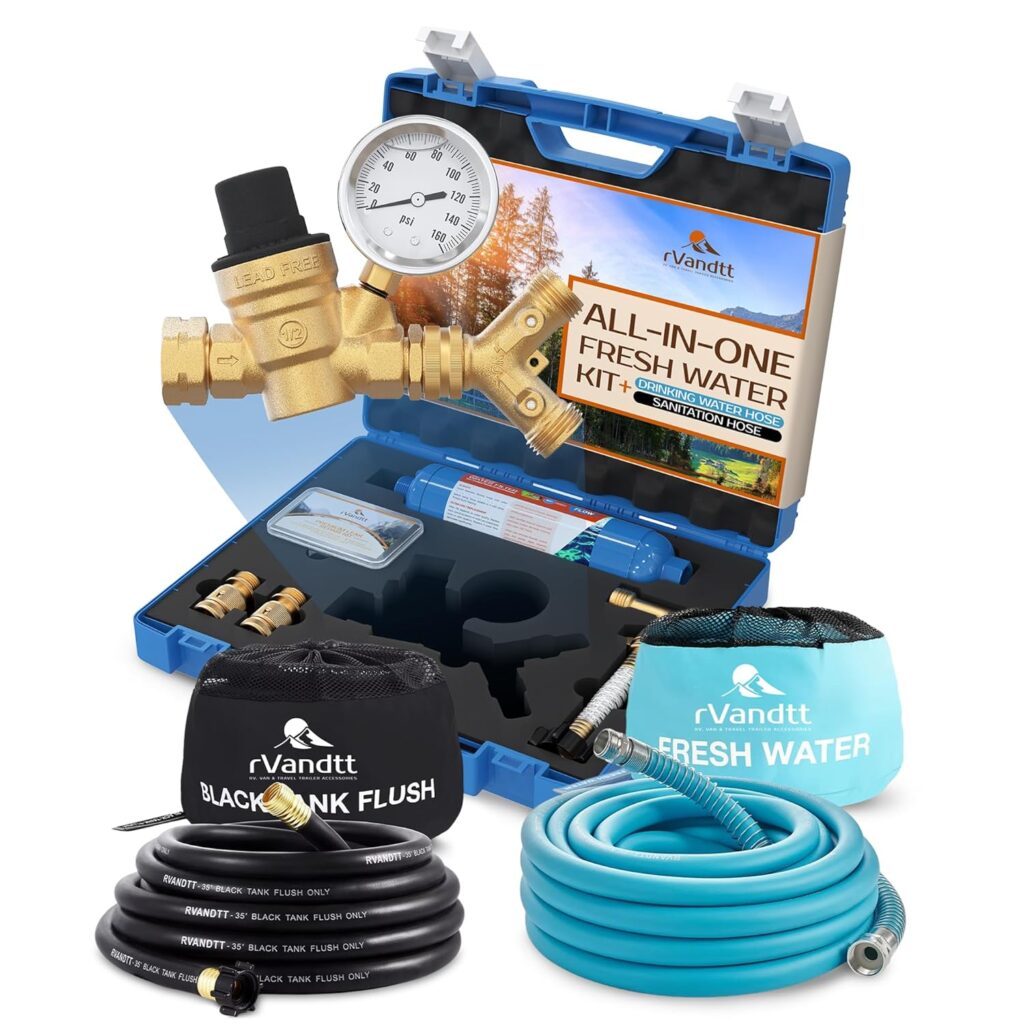
Essential Tools for the DIY RVer
Before you embark on any DIY project, ensure you have the necessary tools on hand:
- Basic Hand Tools: Wrenches, screwdrivers, pliers, sockets, hammers, etc.
- Multimeter: For testing electrical circuits.
- RV Water Hose and Fittings: Dedicated hose for potable water to avoid contamination.
- Torque Wrench: Essential for properly tightening wheel lug nuts.
- Level: For ensuring your RV is level when parked.
- Caulking Gun and Sealants: For sealing seams and preventing leaks.
- Electrical Tape and Connectors: For making electrical repairs.
- Plumbing Tape and Fittings: For repairing plumbing leaks.
Your Essential RV Maintenance Checklist
A regular RV maintenance checklist is crucial for preventative care. Here’s a comprehensive list to guide you:
- Monthly:
- Tire Inspection: Check tire pressure, tread depth, and for any signs of damage.
- Battery Inspection: Clean battery terminals and check electrolyte levels (if applicable).
- Fluid Level Check: Check engine oil, coolant, brake fluid, and power steering fluid.
- Generator Maintenance: Run the generator under load for at least 30 minutes.
- Roof Inspection: Check for cracks, leaks, and damage to sealant.
- Quarterly:
- Awning Inspection: Clean and lubricate awning arms and check for tears or damage.
- Appliance Inspection: Clean and inspect refrigerator, stove, and water heater.
- Water System Sanitization: Sanitize the freshwater tank and plumbing system.
- Slide-Out Maintenance: Clean and lubricate slide-out mechanisms.
- Annually:
- Wheel Bearing Repack: Repack wheel bearings with grease to prevent overheating and failure.
- Brake Inspection: Inspect brake pads, rotors, and calipers.
- Propane System Inspection: Have a certified technician inspect the propane system for leaks.
- Roof Resealing: Reseal roof seams and vents to prevent water damage.
- Engine Tune-Up: Change spark plugs, air filter, and fuel filter.
- Black/Grey Tank Flush: Deep clean the black and gray water tanks.
Common DIY RV Repairs
With the right tools and knowledge, you can tackle many common RV repairs yourself:
- Plumbing Leaks: Repairing leaky faucets, toilets, or water lines.
- Electrical Issues: Replacing light bulbs, fuses, and outlets.
- Caulking and Sealing: Sealing seams around windows, vents, and doors.
- Appliance Repairs: Cleaning and troubleshooting common appliance issues.
- Minor Bodywork: Patching small holes and dents.
Important Safety Precautions
- Disconnect Power: Always disconnect the power supply before working on electrical components.
- Turn Off Propane: Turn off the propane supply before working on the propane system.
- Use Proper Ventilation: Ensure adequate ventilation when working with chemicals or solvents.
- Wear Safety Gear: Wear safety glasses, gloves, and a respirator when necessary.
- Consult a Professional: If you’re unsure about any repair, consult a qualified RV repair service.
III. When to Call the Professionals
RV Repair Services and Finding Help Nearby
While DIY skills are invaluable, there are times when professional assistance is necessary. Knowing when to seek help from an RV repair service is crucial for ensuring the safety and longevity of your RV.
Common Situations Requiring Professional RV Repair
- Engine and Transmission Problems: Complex engine or transmission issues should always be handled by a qualified mechanic.
- Electrical System Malfunctions: Troubleshooting and repairing complex electrical problems can be dangerous without specialized knowledge and equipment.
- Propane System Leaks: Propane leaks are extremely dangerous and should be addressed immediately by a certified technician.
- Structural Damage: Significant damage to the RV’s frame or body requires professional repair.
- Appliance Repairs Under Warranty: Repairs covered by warranty should be performed by authorized service centers.
Finding Reputable RV Repair Near Me
When you need professional assistance, finding a reliable RV repair near me is essential. Here are some tips:
- Online Reviews: Check online reviews on Google, Yelp, and other review sites.
- Recommendations: Ask fellow RVers for recommendations.
- Certifications: Look for repair shops with certifications from reputable organizations like the RVIA (Recreation Vehicle Industry Association).
- Experience: Choose a repair shop with experience working on your specific type of RV.
- Warranty: Ensure the repair shop offers a warranty on their work.
- Transparency: A good repair shop will provide a detailed estimate and explain the repair process clearly.
Types of RV Repair Services
RV repair services can range from mobile technicians to large repair facilities. Understanding the different types of services available can help you find the right fit for your needs:
- Mobile RV Repair: Mobile technicians come to your location to perform repairs, which is convenient for roadside breakdowns or repairs at your campsite.
- Independent RV Repair Shops: These shops specialize in RV repairs and offer a wide range of services.
- RV Dealership Service Centers: Dealerships often have service centers that can handle warranty repairs and other maintenance needs.
- Specialty RV Repair Shops: Some shops specialize in specific areas, such as bodywork, electrical repairs, or appliance repairs.
IV. Scheduling for Success
Creating an RV Maintenance Schedule
Proactive maintenance is the key to preventing costly repairs and ensuring a smooth RV experience. Creating a well-defined RV maintenance schedule is essential.
Key Components of an Effective RV Maintenance Schedule:
- Calendar Integration: Integrate your RV maintenance schedule into your regular calendar to ensure you don’t forget important tasks.
- Detailed Task List: Include specific tasks, such as tire pressure checks, fluid level checks, and appliance inspections.
- Frequency: Determine the appropriate frequency for each task based on your RV’s usage and manufacturer recommendations.
- Documentation: Keep detailed records of all maintenance and repairs, including dates, descriptions, and costs.
Example RV Maintenance Schedule
| Task | Frequency | Notes |
|---|---|---|
| Tire Pressure Check | Monthly | Check before each trip. |
| Fluid Level Check | Monthly | Engine oil, coolant, brake fluid, power steering fluid. |
| Battery Inspection | Monthly | Clean terminals, check electrolyte levels. |
| Generator Maintenance | Monthly | Run under load for 30 minutes. |
| Roof Inspection | Monthly | Check for cracks, leaks, and sealant damage. |
| Awning Inspection | Quarterly | Clean and lubricate arms, check for tears. |
| Water System Sanitization | Quarterly | Sanitize freshwater tank and plumbing. |
| Wheel Bearing Repack | Annually | |
| Brake Inspection | Annually | |
| Propane System Inspection | Annually | Have a certified technician inspect. |
| Roof Resealing | Annually | Reseal seams and vents. |
V. Conclusion
Enjoying the RV Lifestyle with Confidence
The RV lifestyle offers unparalleled freedom and adventure, but it also comes with the responsibility of keeping your vehicle in top shape. By building your DIY skills, knowing when to turn to professional RV repair services, and following a thorough maintenance checklist, you can ensure your home on wheels stays reliable for years to come. With this handbook as your guide, you’ll navigate the open road with confidence, enjoy peace of mind, and create unforgettable memories along the way. So, buckle up, hit the road, and embrace all the freedom and adventure the RV lifestyle has to offer